Home
» Western Zodiac
»
Aries Lucky Numbers for October 26–November 1, 2026: Make One Bold Start
Aries Lucky Numbers for October 26–November 1, 2026: Make One Bold Start
The Aries lucky numbers for October 26–November 1, 2026 are 1, 9, and 26 in this entertainment-only editorial selection. Give them simple jobs: 1 for beginning something manageable, 9 for finishing a loose end, and 26 for making room to follow through. Their value here is as memorable prompts, with no promise that they will change an outcome.
This edition covers Monday, October 26, through Sunday, November 1, 2026. The theme is a clear start with a visible finish: choose something small enough to complete instead of turning every spark of enthusiasm into another commitment.
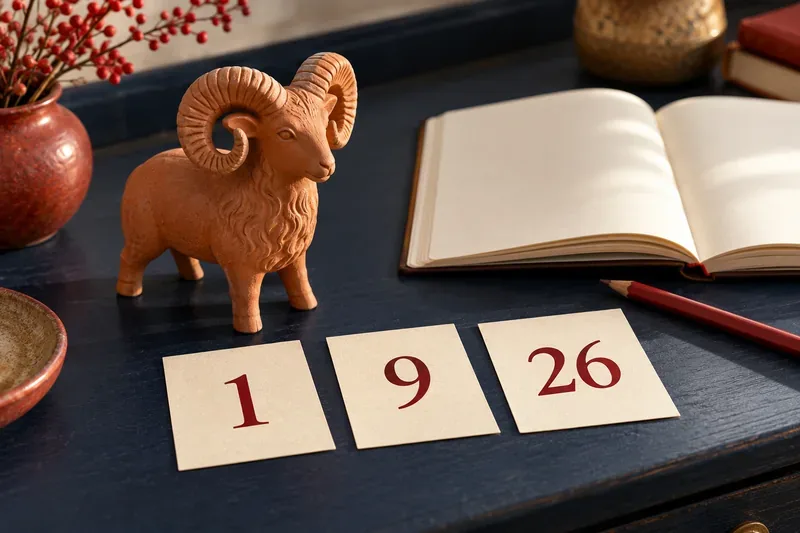
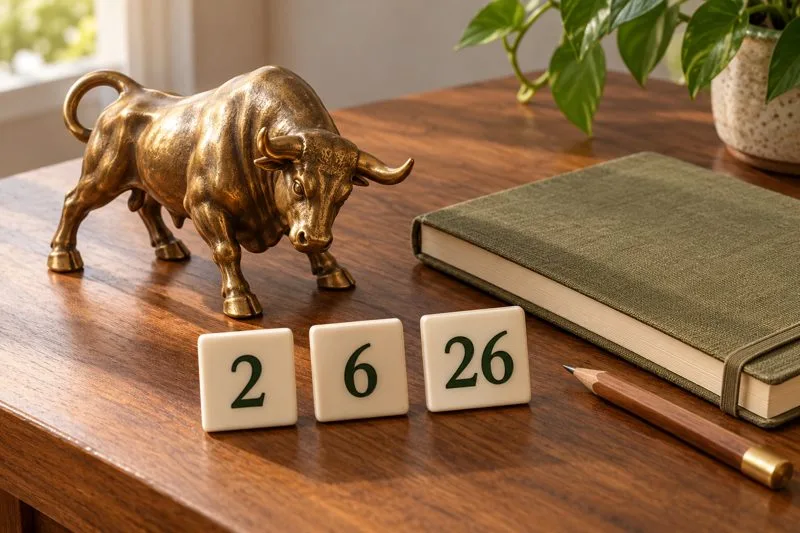
A ram figurine and three number cards pair Aries symbolism with a place to collect ideas.
Your Aries numbers at a glance
Number
Meaning in this edition
When it fits
A practical use
1
A deliberate first move
You have several ideas but no clear starting point
Choose one small action you can begin today
9
A stopping point
You keep polishing or opening new tasks
Try a nine-minute pass on one unfinished item
26
Space for follow-through
You start readily but leave no room to continue
Reserve an optional 26-minute creative session
Why these numbers suit this Aries edition
In Western astrological symbolism, Aries is the first sign and is associated with taking initiative. The Faculty of Astrological Studies’ introduction to astrology describes that traditional association. It provides the inspiration for 1 here, rather than a claim about every Aries reader’s personality.
The other choices are editorial: 9 is the last single-digit positive whole number, making it a handy symbol for reaching an endpoint; 26 comes from October 26, the opening date of this edition. These numbers were not calculated from planetary positions, a birth chart, or a personal numerology formula. Their meanings belong to this article’s reflective exercise.
1: Make the opening move smaller
Use 1 when enthusiasm has given you too many possible beginnings. Pick the smallest action that would make an idea tangible. For a hobby project, that could mean writing an opening sentence, taking a reference photo, or laying out the materials you already own.
The useful question is, “What can I begin without needing to organize everything else first?” If you want to draw, one rough sketch fits better than an ambitious promise to fill a whole notebook. If you want to reconnect with a friend, one friendly invitation is enough; their reply is theirs to decide.
This prompt suits a low-pressure choice you control. When someone else needs to agree, use your first move to ask what works for them. Initiative can include listening before making a plan.
9: Give one loose end a finish line
Use 9 as a reminder to define “done.” An optional nine-minute session can give a small task a boundary: finish a personal note, put away the supplies from an earlier activity, or sort a few saved ideas into keep and discard piles.
Before starting, write a finish line you can recognize. “Choose a photo for the album” is clearer than “make the album better.” When the timer ends, decide whether the task is complete, needs another session, or can be dropped.
Nine minutes is simply an easy number to remember, not a tested productivity interval or a lucky deadline. Adjust it to your attention and the task. The point is to stop a small unfinished item from silently becoming an all-afternoon project.
26: Leave room to return
Use 26 for a modest block of time devoted to something you actually want to continue. If your schedule allows, set aside 26 minutes for a creative activity, a personal reading session, or a relaxed catch-up with someone who is available.
Give the session a narrow purpose. “Try a different ending for this short story” is easier to enter than “be more creative.” Leave a brief note afterward saying where you stopped, so returning does not require reconstructing your idea.
If 26 minutes feels awkward, shorten the session. There is no requirement to start at a particular clock time, repeat the number, or arrange an important decision around it. Its connection to the week is the opening date, not a forecast of an especially fortunate day.
A light rhythm for October 26–November 1
October 26–27: Let 1 prompt a single manageable beginning. Name the action before adding anything else.
October 28–30: Let 9 prompt a check on unfinished pieces. Complete, simplify, or consciously set one aside.
October 31–November 1: Let 26 prompt some room to return to a favorite idea, if your weekend allows.
This sequence is an optional way to organize the exercise. It does not rank the days by luck. If you find the article late in the week, choose the prompt that fits your situation without trying to catch up on missed dates.
Keep the symbolism useful
You can put one number at the top of a journal page or use the set as a theme for a doodle. There is no need to search for matching receipts, addresses, or repeated digits. Seeing a number again does not confirm that a prediction is unfolding.
At the end of November 1, ask what you began, what you finished, and what you would enjoy returning to. A concrete answer is more useful than counting how often your chosen number appeared.