
GTA 6 and Older Gamers: Why the Conversation Changed After Launch (Nov. 29, 2026)
GTA 6 has brought older players back to Vice City. Here is why nostalgia, family schedules, and changing reactions to violence shape the conversation.
Information checked: November 28, 2026, at 2:53 p.m. UTC.
Before you submit an Australian Student visa (subclass 500) application, check the live Department of Home Affairs Visa Pricing Estimator using your passport country, course sector, planned lodgement date, location, and family details. The standard main-applicant charge starts at A$2,500, but the amount can be lower for certain eligible applicants and higher for some people applying from inside Australia. A new A$1,500 onshore application charge takes effect for qualifying applications made on or after November 28, 2026.
That means an eligible standard-sector applicant applying in Australia could face A$4,000 in visa application charges for the main applicant alone, before any separate charge tied to prior visa history or costs such as health checks and Overseas Student Health Cover (OSHC). The extra onshore charge does not apply to everyone. Confirm your own result in the official estimator before paying; a headline “visa fee” is not a reliable total for every student.
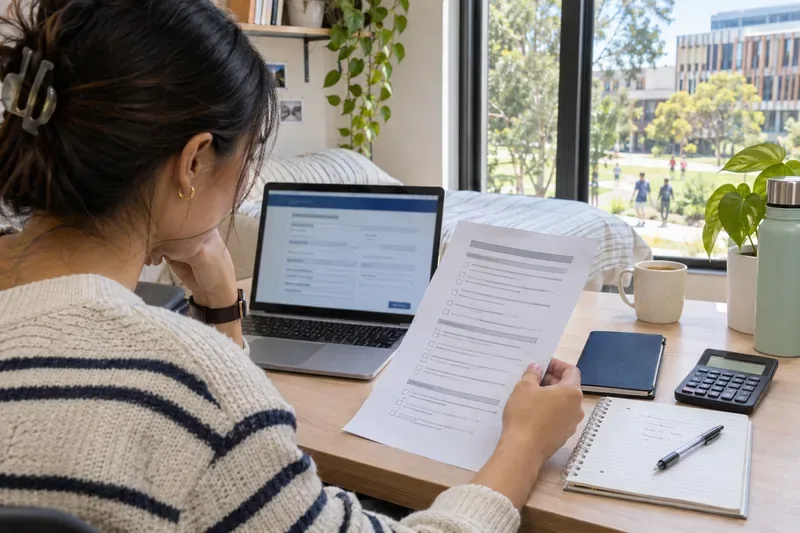
Home Affairs lists the subclass 500 visa at a starting price of A$2,500 for the main applicant, with limited concessions. The visa price is the government application charge, not the full cost of preparing to study in Australia. The current visa pricing table and estimator are the authoritative places to check the amount for your circumstances, because charges can change and depend on the date the Department receives an application.
Lower visa costs are available for qualifying applicants from eligible Pacific Island countries, Timor-Leste, and ASEAN member countries. A lower charge also applies to valid applications in the Independent ELICOS and Non-Award sectors. Home Affairs says it identifies country-based eligibility using the passport submitted with the application. For a family application, the main applicant’s qualifying passport can also determine whether family members receive the lower cost. Do not assume a nationality-based concession applies to every passport or every course: verify the current category and result in the estimator.
The Federal Register’s 2026 regulation sets an onshore application charge of A$1,500. Home Affairs says the charge applies from November 28, 2026, to certain Student visa applications made in Australia, in addition to the existing Visa Application Charge. It is assessed per person, rather than once for the entire application. For example, A$2,500 plus A$1,500 gives a A$4,000 main-applicant total at the standard rate if the new charge applies and no other adjustment changes the result.
There are stated exceptions. The Department says the new charge does not apply to Student visa applications lodged in Australia by Pacific Island, Timor-Leste, and ASEAN citizens, or by applicants who qualify for an exemption to apply in Australia and are seeking an ELICOS or Non-Award course. Because both onshore eligibility and fee exceptions can be narrow, check the specific rules for your visa and study plans before relying on an exemption. The new amount is tied to applications made on or after its commencement date; do not apply an older estimate to a new application.
First, confirm that family members are allowed to apply with you. Rules that took effect October 2, 2026 restrict who can include a partner or dependent child in a Student visa application, with exemptions for specified groups and situations. The application charge for an additional applicant varies by visa type, age, and whether the applicant is in or outside Australia. If your family cannot be included, do not add a family-member fee to a combined application estimate as though inclusion were automatic.
Second, disclose the main applicant’s current and previous visa circumstances accurately. A separate Subsequent Temporary Application Charge can apply in some onshore cases, depending on the applicant’s visa history and where the earlier visa application was made. This is distinct from the new A$1,500 onshore charge. The Home Affairs explanation sets out the conditions and exemptions; check each applicant individually, since the charge is based on personal visa history.
Home Affairs says the estimator does not include other costs. Depending on your case, budget separately for OSHC, which most Student visa applicants must hold, as well as any required health examinations, police certificates, or biometrics. You should also keep tuition, travel, housing, and living expenses separate from government visa charges. They are not part of the subclass 500 application fee, even though they may be essential to your broader study plan.
Payment method matters too. The Department states that it stopped applying its own surcharges to card, PayPal, and UnionPay payments on October 1, 2026. Your bank or card provider may still set its own fees or currency-conversion terms. The application charge must be paid as instructed in the official application process, and the Department warns that an incorrect or unsuccessful payment can affect whether an application is valid or can be processed.
Save the estimate and recheck it immediately before submission if your lodgement date, location, passport, course, or family plan changes. The estimator is a planning aid, and the Department’s live application system and current fee rules determine the charge you must pay.
A$2,500 is the current starting charge for a standard subclass 500 main applicant. Concessions, additional applicants, the new onshore charge, and prior visa history can change the total.
It can apply to certain Student visa applications made in Australia from November 28, 2026. Home Affairs lists exceptions, so use the official estimator and check your eligibility before applying.
No. OSHC and possible health, police, and biometrics costs are separate from the visa application charge and are not included in the estimator.
GTA 6 has brought older players back to Vice City. Here is why nostalgia, family schedules, and changing reactions to violence shape the conversation.
Learn what passengers must check when flight turnarounds happen, following the Qantas Boeing 787 Melbourne-to-Dallas return flight disruption.
Learn how to receive official California earthquake alerts via USGS ShakeAlert, MyShake, and built-in smartphone settings, plus where to track real-time maps.
Received a California earthquake alert? Learn immediate safety steps, how to inspect your home for utility leaks, and where to verify official USGS seismic data.
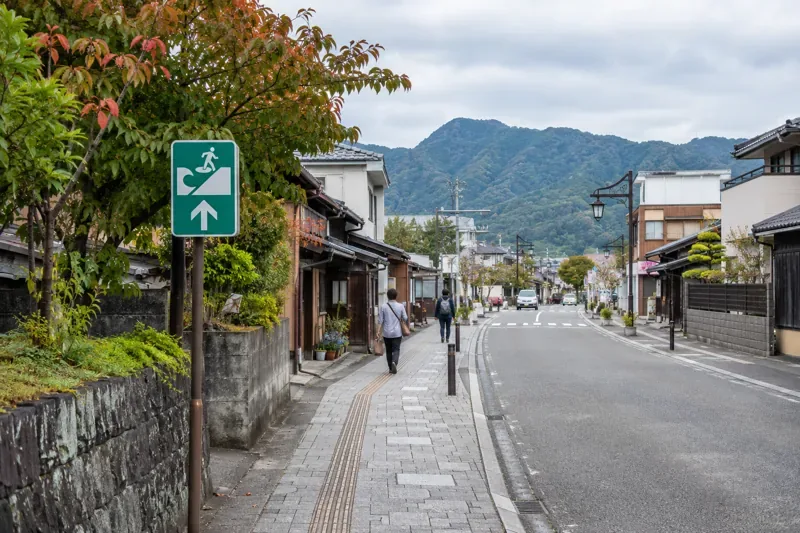
Discover how Canadians can track real-time earthquake locations via Natural Resources Canada (Earthquakes Canada) and follow verified safety guidance.
Learn what permanent Daylight Saving Time proposals mean for Canada, how provinces like B.C. and Ontario are adapting, and what changes for daily routines.
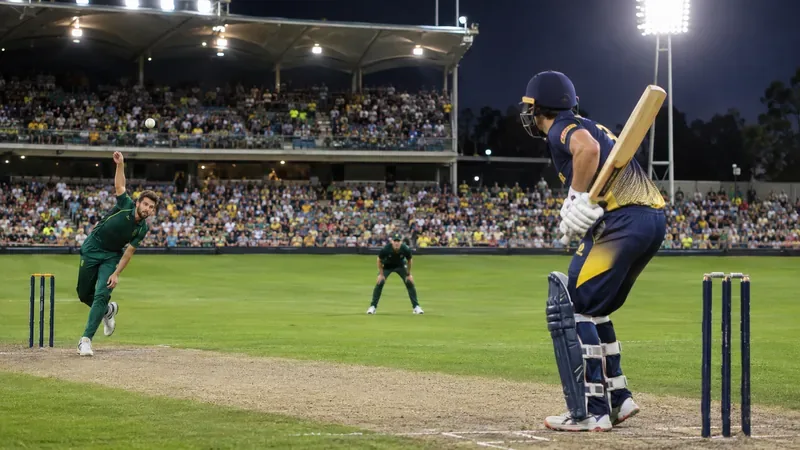
Follow the England vs Australia fourth T20I from Sydney with official live score, UK TV and radio options, time-zone details, and match trackers.
Learn how to photograph satellite trails in the night sky with recommended camera settings, manual focusing techniques, interval shooting, and image stacking.
A practical checklist for comparing Cyber Monday tech deals, evaluating genuine discounts, checking total checkout costs, and verifying consumer protections.

See how to check California earthquakes today using the USGS map or catalog, set a calendar-day time window, and understand magnitude and location filters.