Home
» Today
»
Bonfire Safety: How to Prepare a Safer Fire and Reduce Smoke Risks | Nov. 6, 2026 Check
Bonfire Safety: How to Prepare a Safer Fire and Reduce Smoke Risks | Nov. 6, 2026 Check
Information checked: November 6, 2026, at 12:12 a.m. Indochina Time (ICT, UTC+07:00).
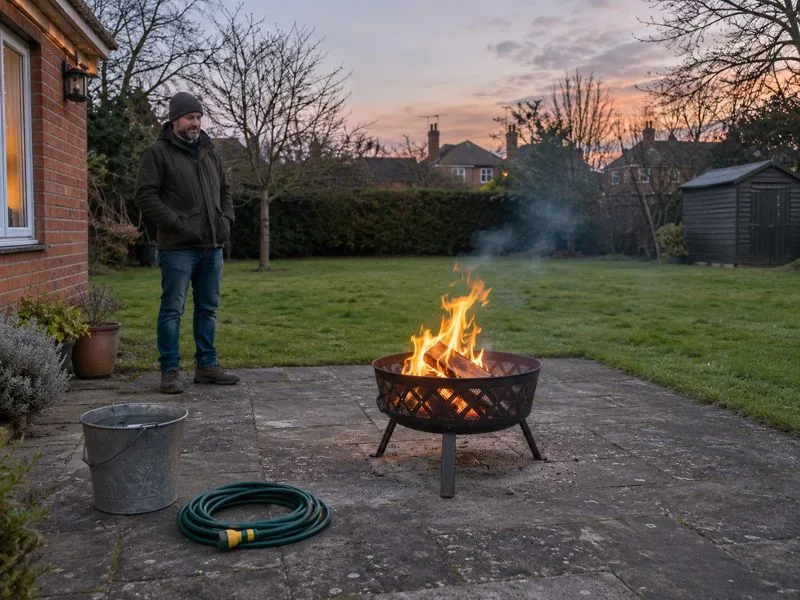
Bonfire safety starts before you light a match. Check local restrictions and the weather, choose a clear, level site well away from buildings, fences, hedges, trees, and dry vegetation, and keep a hose or buckets of water close. Use only a small amount of suitable, dry fuel, never use petrol or paraffin to start or revive a fire, and keep a responsible adult in attendance until every ember is out. If smoke could drift across a road or into neighboring homes, or if wind or dry conditions make the fire hard to control, postpone it.
Illustration: a small, supervised garden fire with water and a hose ready nearby.
Key points
Check with your local council and fire service before lighting; local restrictions and conditions can vary.
Keep the fire small, contained, and away from buildings, fences, trees, and dry plants.
Do not burn household rubbish, plastics, batteries, aerosols, paint tins, or foam items, and never use flammable liquids.
Stay with the fire, protect children and pets, and soak the embers before leaving the area.
What are the main risks of a bonfire?
A bonfire can cause burns, ignite nearby property or vegetation, and produce smoke that affects people beyond the garden. Sparks can travel, and a fire that looks manageable can change quickly when wind picks up. Smoke can also reduce visibility if it reaches a road. GOV.UK warns that allowing bonfire smoke to drift across a road and endanger traffic can lead to a fine. A smoky fire may also prompt complaints from neighbors or require a response from the local authority.
There is a less visible risk before lighting: a pile of branches, leaves, or garden cuttings can shelter wildlife or pets. The London Fire Brigade’s bonfire guidance advises checking the area for animals before starting a fire. Build the pile on the day if possible, or carefully move it and check it again before lighting.
What should I check before lighting a bonfire?
Is a fire allowed where I live?
Rules can depend on the location, the material being burned, and any local restrictions or property agreements. Check your council’s environmental health and waste pages, and consult your local fire and rescue service for current fire-risk advice. Renters and people in shared buildings should also check their tenancy terms or site rules. If you cannot confirm that the fire is permitted, use a garden-waste collection or recycling option instead.
Are the site and weather suitable?
Choose an open, level area with a clear buffer around it. Keep the bonfire well away from the home, sheds, fences, trees, hedges, stored fuel, and anything else that can catch fire. Remove dry leaves and other burnable debris from around the site. A contained fire pit can help keep a small fire in one place, but it does not remove the need for supervision or a safe location.
Check the forecast and wind direction. Do not light a fire if gusts could carry sparks or smoke toward buildings, people, or a road. Still, damp weather can leave smoke hanging near homes; wet or green material can also create more smoke than dry material. If conditions are uncertain, wait for another day.
Are people and animals protected?
Keep children and pets at a clear distance and make sure everyone knows where the fire is. Assign one responsible, sober adult to tend it; the person supervising should not leave to answer the door or handle other tasks. Keep a working hose or several buckets of water within reach before lighting, and make sure the path to them is not blocked.
What can I burn in a garden bonfire?
First consider whether you need a fire at all. Composting, a council garden-waste collection, or a trip to a household recycling center can avoid smoke and reduce the chance of an escaped fire. The London Fire Brigade recommends alternatives for garden waste and notes that greener material produces more smoke.
If a bonfire is allowed and necessary, use only clean, dry material that your local rules permit. Do not burn household rubbish, plastics, rubber, batteries, aerosol cans, paint tins, foam furniture, or containers with unknown contents. These materials can create harmful fumes, and sealed containers may burst. Never pour petrol, paraffin, diesel, or another flammable liquid onto a fire. For more detail, see the GOV.UK guidance on garden bonfires and waste and the fire-service advice linked above.
How can I manage the fire safely?
Keep the fire modest and add fuel in small amounts rather than building a large pile that burns intensely. Place additional material gently; do not throw it into the flames. Keep the hose or water buckets ready throughout, and never leave the fire unattended, even for a short time. Do not throw fireworks or other explosive items onto a bonfire. If the fire begins to spread, move people away and call 999; do not put yourself at risk trying to control a fire that is beyond your ability.
Watch the smoke as well as the flames. If a change in wind sends smoke toward a home or road, stop adding fuel and extinguish the fire if it is safe to do so. Repeated smoke can interfere with neighbors’ use of their homes and gardens. GOV.UK says councils have a responsibility to investigate complaints about smoke and fumes that may amount to a statutory nuisance, and may issue an abatement notice.
How should I put out a bonfire?
Stay with the fire as it burns down. When the flames have died, pour water over the embers and stir them carefully with a long-handled tool; add more water until the embers are fully soaked and there is no remaining heat or smoke. Do not assume that ash is cold just because the fire looks dark. Keep children and pets away while you finish, and do not leave until the fire and its surroundings are safe. The North Yorkshire Fire and Rescue Service’s garden-safety advice says to make sure there are no hot embers before leaving.
If you cannot safely put the fire out, or it is spreading, get everyone clear and call 999. For smoke complaints or questions about waste disposal, contact your local council’s environmental health or waste team rather than the fire service’s emergency line.
Frequently asked questions
Can I have a bonfire in my garden in Great Britain?
There is no single answer for every location and circumstance. Check your local council’s rules, the material you plan to burn, and any tenancy or property restrictions. GOV.UK explains that smoke nuisance and burning household waste can create legal problems.
Can I burn household rubbish on a bonfire?
Do not use a bonfire to dispose of household rubbish. GOV.UK says household waste must not be burned if doing so causes pollution or harms health. Recycle it or use your council’s disposal service.
When is a bonfire safe to leave?
Only after it has been fully extinguished and no hot embers remain. Keep an adult with it until then, and call 999 if it becomes unsafe or spreads.