Coca-Cola Zero Sugar Recall: Check These Australian Pack Codes | Nov. 25, 2026
A November 25 FSANZ recall covers specific Coca-Cola Zero Sugar 30-packs in Queensland and northern NSW. Check the date, time stamp, and B2 batch code.
Verified & Updated: November 24, 2026, at 08:05 UTC (04:05 AST / 00:05 PST)
Environment and Climate Change Canada (ECCC) has issued active coastal flooding statements across vulnerable Atlantic and Pacific marine shorelines as seasonal perigean spring high tides converge with intense low-pressure storm systems. Coastal communities face elevated wave run-up, shoreline erosion, and saltwater inundation that threaten waterfront roadways, ground-floor living areas, and municipal drainage infrastructure.
For waterfront homeowners and low-lying coastal residents, these active weather statements signify an immediate window of preparation rather than distant forecasting. Inundation driven by coastal storms develops rapidly, often isolating low-lying access roads hours before peak astronomical tide. Understanding how to interpret official warnings and executing timely preparedness protocols is essential to safeguarding lives and mitigating catastrophic structural damage.
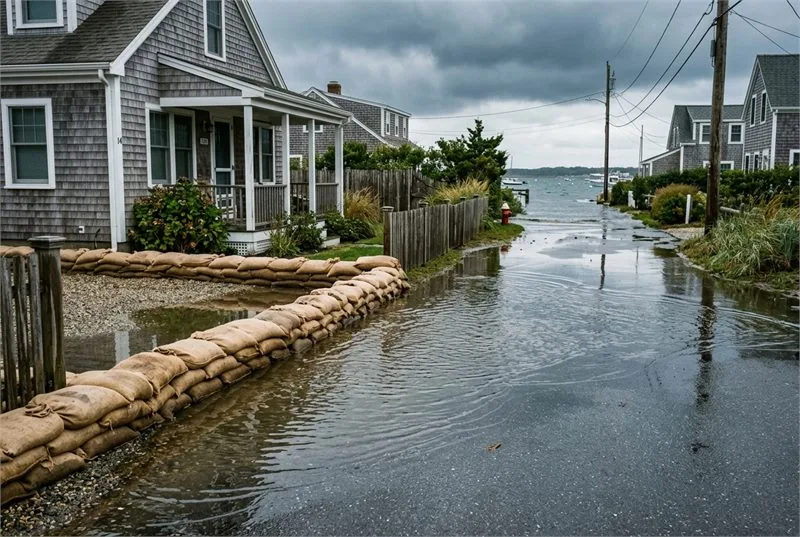
Coastal flooding statements issued by Environment and Climate Change Canada serve as targeted advisories signaling that localized water levels are forecast to exceed typical high-tide thresholds. Unlike gradual riverine flooding caused by prolonged inland rainfall, coastal storm surges occur rapidly when persistent onshore gale-force winds pile seawater against shallow bays, inlets, and estuaries. Simultaneously, deep barometric low-pressure systems cause the ocean surface to rise physically, exacerbating astronomical high tides.
Inshore waves break over natural berms and man-made seawalls, carrying logs, gravel, and sea ice that batter exterior walls and break glass doors. As seawater overwashes barrier dunes and municipal causeways, critical access corridors become impassable to regular passenger vehicles. Saltwater submersion also rapidly destroys vehicle electrical harnesses and compromises residential electrical junction boxes, creating acute fire and electrocution hazards.
When an active coastal flood statement or storm surge watch is in effect, property owners must implement structured mitigation measures before conditions deteriorate:
Weather systems and tidal heights are dynamic, requiring continuous tracking through authoritative sources. Official alerts and real-time updates are distributed through Environment and Climate Change Canada and Canada's national Alert Ready Emergency System.
Familiarize yourself with the alert hierarchy used across Canadian provinces:
A coastal flooding statement is an advisory alerting the public to unusually high water levels, minor road overwash, or shoreline wave pounding that warrants heightened caution. A storm surge warning is an urgent notification indicating that significant, hazardous sea level rises driven by meteorological forces are actively occurring or imminent, posing an immediate threat to life and property.
No. Even shallow seawater as low as 15 centimeters (6 inches) can stall vehicle engines, damage sensitive undercarriage electrical systems, and cause loss of traction. Furthermore, saltwater is intensely corrosive to vehicle frames, brakes, and wiring, while moving currents can sweep vehicles into deep tidal channels.
Households in low-lying maritime regions should maintain a grab-and-go emergency kit containing at least a 72-hour supply of drinking water (4 liters per person per day), non-perishable foods, a manual can opener, a battery-powered or hand-crank weather radio, flashlights, extra batteries, essential prescription medications, a first aid kit, and copies of home insurance policies.
A November 25 FSANZ recall covers specific Coca-Cola Zero Sugar 30-packs in Queensland and northern NSW. Check the date, time stamp, and B2 batch code.
Looking for Australia’s $110 million Powerball results? Official sources checked November 25 show no confirmed current $110 million draw. Here’s how to verify results and check your ticket.
Find the confirmed Sabah vs Barcelona fixture details, UK kickoff time and official match-centre links. Check the score there for the latest verified update.
Gordon Brothers acquired Poundland in 2025. Poundland entered administration on 25 November 2026; here is how the connection works and what the retailer says happens next.
Gordon Ramsay is set to lead Top Gear’s 2028 return. Here’s how his past appearances connect him to Andrew Flintoff and the show’s recent history.
A spoiler-free guide to Blade Runner 2099: its premise, cast, place in the franchise, what to watch first, and UK availability on 25 November 2026.
Check BA239’s current status, Heathrow departure, and Boston arrival using British Airways’ live flight-status tool. Learn which time zones to use and when to recheck.
A BBC streaming levy is under discussion, but no new charge has been approved. Here is what current rules mean and how a wider licence fee could affect households.
A BBC streaming levy could mean different things: extending the TV licence to streaming viewers or charging platforms. Here’s what is confirmed and what is not.
The DWTS Live 2027 tour is scheduled for more than 50 shows from January through April. Check official dates, ticket availability, VIP packages, and updates.