Make Realistic Fake Blood Without a Cleanup Surprise
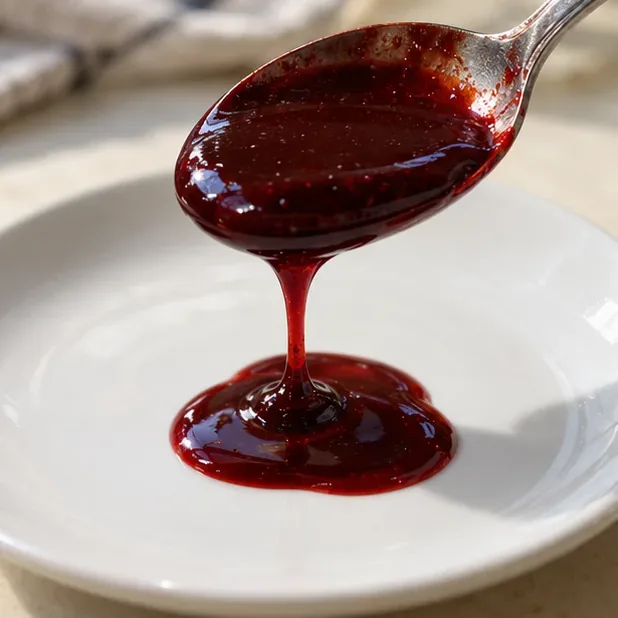
Mix a glossy prop-only fake blood batch, choose safer products for skin and costumes, and test cleanup before Halloween night.
Cancer myths and misinformation are everywhere. It's important to understand them. Here are some common misconceptions about cancer .

Is cancer contagious? Do cell phones cause cancer? Does eating sugar make cancer worse? Based on the latest research, the answer to all of these questions is no. But according to the National Cancer Institute, they are among the most common misconceptions about cancer.
Such false beliefs can negatively impact people's perceptions of cancer and in some cases even prevent patients from seeking the most recommended treatments.
Misconceptions about cancer
The pace of progress in cancer treatment is accelerating by the second. According to the Journal of the American Medical Association, there were 332 new cancer drugs approved by US regulators between 2009 and 2020, many of which were also approved by European regulators. “Breakthroughs are happening all the time ,” said Dr. Lynn Turner, director of research at Worldwide Cancer Research. “We fund discovery research, which is the first step in the journey. Without those initial breakthroughs, you can’t get them into the clinic and into patients.”
The rise of such treatments has led to dramatic improvements in life expectancy. One of the biggest examples of this is breast cancer. In 2023, a study of more than half a million women found that deaths from a breast cancer diagnosis had fallen by two-thirds since the 1990s.
We talk about cancer as a single entity, but there are actually more than 200 different types of cancer, with many different characteristics. Some tumors may grow extremely slowly, while others grow rapidly and spread to other parts of the body, a process called metastasis. “Each cancer behaves differently, and therefore the treatments must be different,” says Turner.
Patients with a particular type of cancer can also have different responses to the same drug, some with strong responses and some with less. As a result, cancer treatment is moving more toward personalized medicine rather than a single approach. With the rise of therapies such as CAR T-cell immunotherapy and possibly cancer vaccines in the coming years, many patients will undergo genome sequencing along with other forms of testing before being prescribed the right drug for their type of cancer.
There is evidence that humans and our ape relatives have had cancer for at least 1.7 million years. In 2016, archaeologists in South Africa discovered the skeleton of a prehistoric human with a malignant tumor on his left toe bone.
Part of the reason cancer seems more common today than it was centuries ago is simply because people are living longer, says Turner. “ This is not a new disease ,” she says. “ The longer we live, the more people you’re going to see with cancer because it’s basically healthy cells that go wrong and don’t function properly, and the longer we live, the more likely that is to happen .”
Alternative therapy can cure cancer
From homeopathy to acupuncture, CBD oil, and even apricot kernels, cancer patients will be exposed to all sorts of alternative and experimental therapies as they research their condition.
However, there is no scientific evidence that any alternative to conventional treatments such as chemotherapy, radiation therapy, and immunotherapy can slow the growth of cancer or cure it. In fact, research in the United States has found that patients who try alternative therapies are more likely to die than those who choose the recommended treatment.
“ Unfortunately, there’s no evidence that things like homeopathy are effective ,” says Turner. “ But there’s often confusion between alternative and complementary therapies. Things like exercise, meditation, stress reduction, and just being healthy and fit can really help with recovery, alongside conventional treatment .”
While living a healthy lifestyle by quitting smoking, cutting back on alcohol, processed meats and other ultra-processed foods, and increasing fiber intake can certainly reduce your risk of cancer, it's not a sure thing.
The World Health Organization (WHO) estimates that between 30% and 50% of cancer cases are preventable. Cancer ultimately arises from mutations or errors that occur as our cells multiply and divide, which can be directly influenced by toxic chemicals we breathe in or accumulate through our diet, or by genetics.
Mix a glossy prop-only fake blood batch, choose safer products for skin and costumes, and test cleanup before Halloween night.
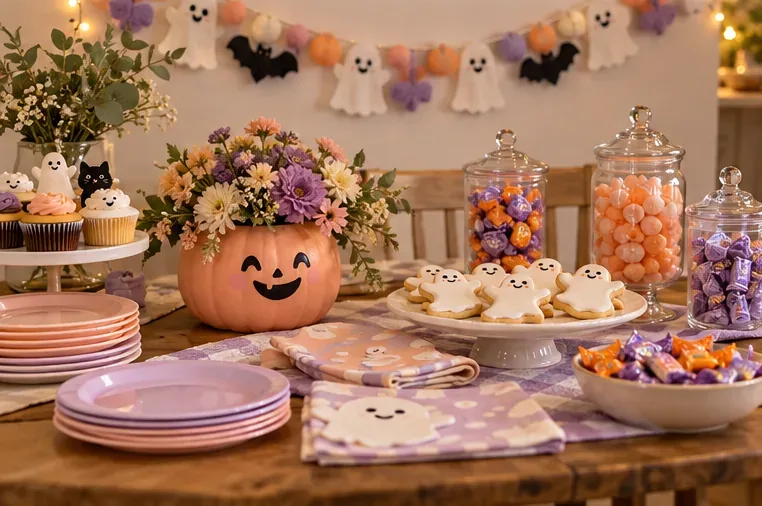
Create a gentle Halloween look with pastel colors, friendly ghosts, easy no-carve accents, and practical safety tips for your home.
Create a spooky office cubicle with Halloween desk decor ideas that keep your workspace usable, tidy, and mindful of workplace safety.
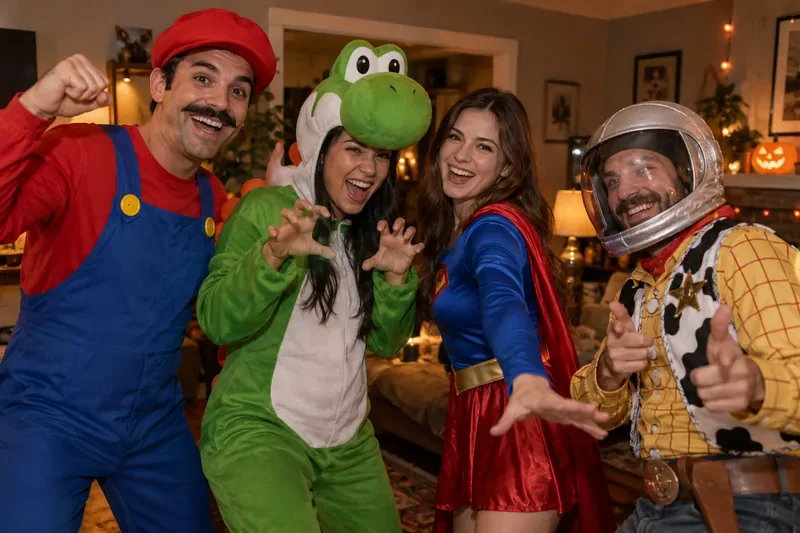
Plan a recognizable Halloween 2026 look with pop culture costumes inspired by Spider-Man, Supergirl, Toy Story 5, Moana, Mario, and Wednesday.
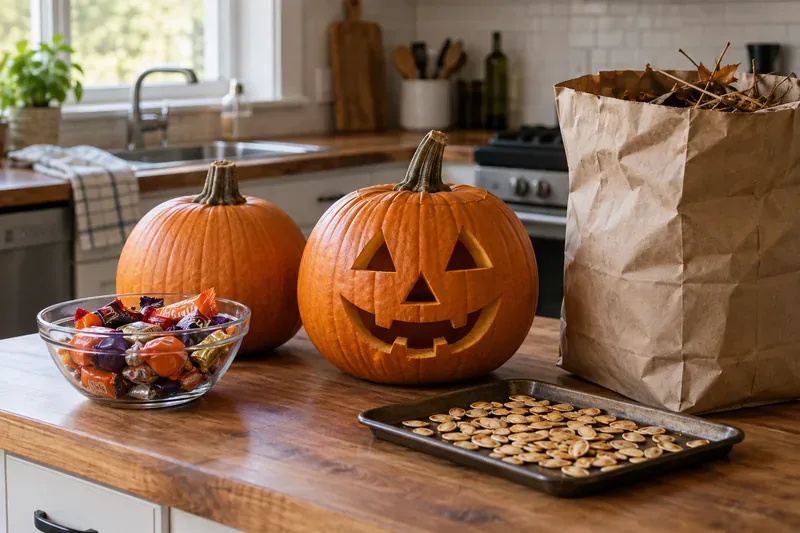
Sort leftover Halloween candy safely, share or repurpose sealed treats, and choose food use or compost for pumpkins based on their condition.
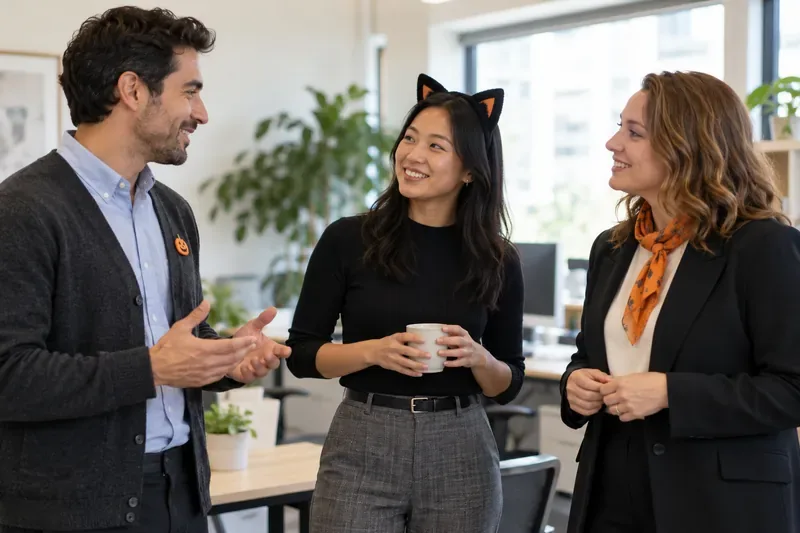
Compare workplace Halloween costume choices by respect, dress code, mobility, and safety—and learn when a subtle accessory or a policy check is the better option.
Find a couples costume that fits your style, budget, and comfort level, from Addams Family classics to original inside-joke duos.
Need a last-minute high school Halloween costume? Compare 10 easy closet-based ideas by prep time, comfort, school-day practicality, and simple safety checks.
Use a simple 2026 Halloween decorating timeline for indoor décor, outdoor displays, and fresh pumpkins, with practical adjustments for weather and events.
Mix five vivid, approachable Halloween cocktails with measured recipes, simple prep tips, and an alcohol-free option for your party guests.