Deploy Collabora CODE on Kubernetes with Helm

Install the official Collabora Helm chart, configure WOPI access and ingress affinity, and verify the deployment without common setup mistakes.
On the new Windows 10 operating system, managing users is now simple and it also gives you more options so you can control the user's Microsoft account. You can use more than one Microsoft account on a Windows 10 device.
It's fine if you're using a personal computer, but if you do use it, you will sometimes see another Microsoft account logged into your Windows 10 operating system. It is also no problem but you have to log out and log in to your account to use. If you want to manage the use of Microsoft account, you can follow the instructions in the article below.
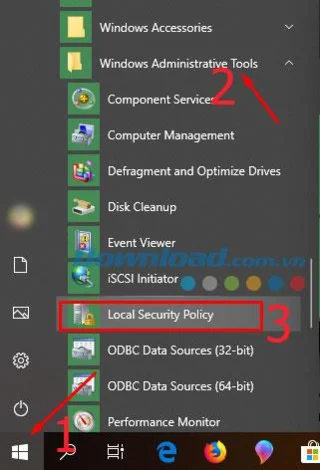
Step 1: First click on Start , then scroll down and select Windows Administrator Tools , select Local Security Policy.
Step 2: In the Local Security Policy table, select Local Policies> Security Options , in the Policy pane on the right, double-click Account: Block Microsoft Accounts.
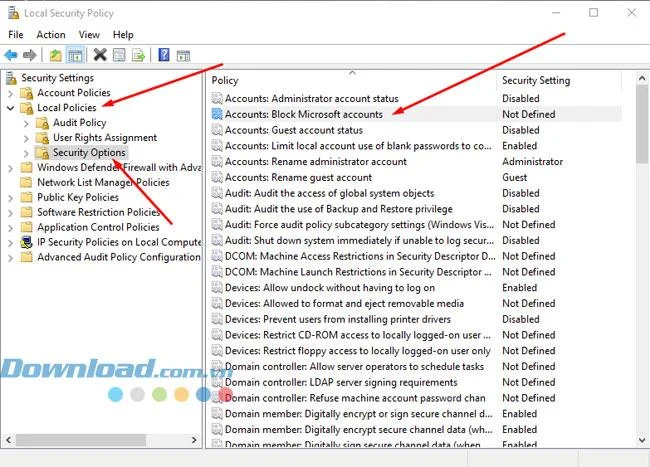
Step 3: In the Accounts selection box : Block Microsoft accounts Properties . You will have two options:
Details of these two options are below.
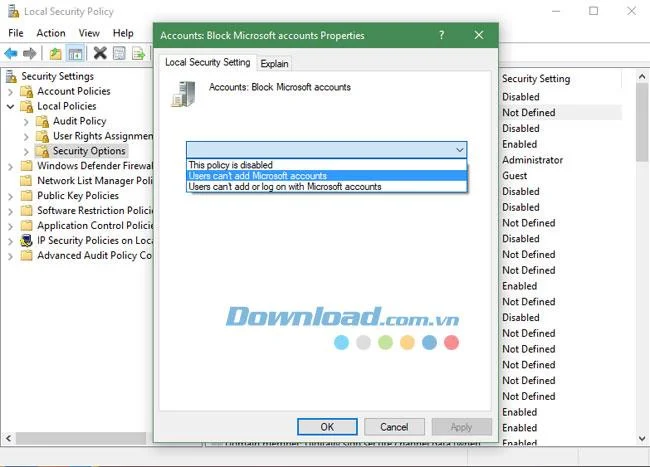
This is the Users can't add Microsoft accounts option in the Accounts table : Block Microsoft accounts Properties when you select this option, you will have the following features.
Corresponding to the option, Users can't add or log on with Microsoft accounts: This option will have the following features:
Based on the features available on the two options, you should choose the first option (Users can't add Microsoft accounts) to prevent users from adding Microsoft accounts to your Windows 10. Then click Apply and OK to finish.
Some computers have additional Microsoft account errors due to the above settings, so if you encounter errors, please check the settings in this custom.
Install the official Collabora Helm chart, configure WOPI access and ingress affinity, and verify the deployment without common setup mistakes.
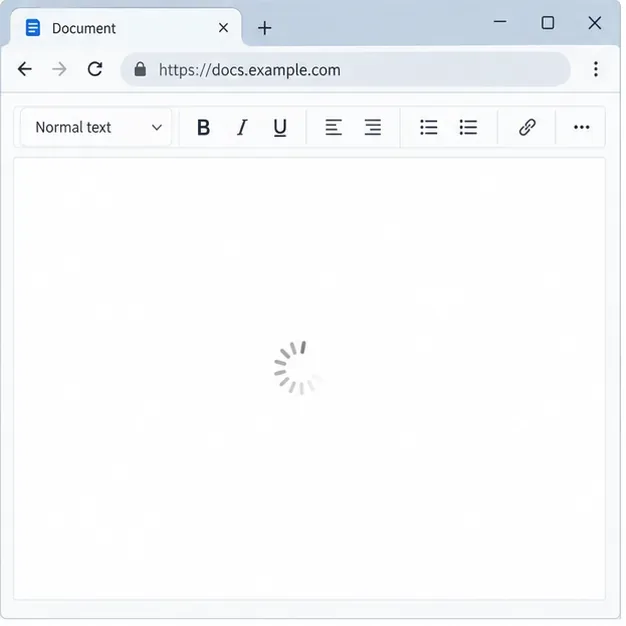
Use browser requests, WOPI logs, and targeted proxy checks to find why Collabora opens a blank document—and choose a fix that fits the evidence.
Configure CODE Docker dictionaries and tag document passages correctly so English, French, and other supported languages receive the right spell-checking.
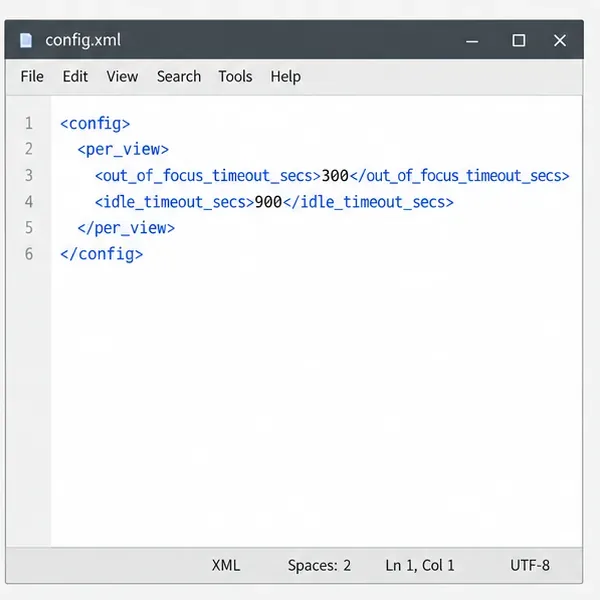
Adjust the per-view inactivity threshold in coolwsd and distinguish it from background-tab dimming, document unloading, autosave, and login expiration.
Stop scheduled CODE update checks, review optional remote services, and use outbound network controls without breaking document editing.
Enable secure document editing in Seafile by configuring Collabora’s discovery URL, HTTPS, and WOPI access for your deployment.
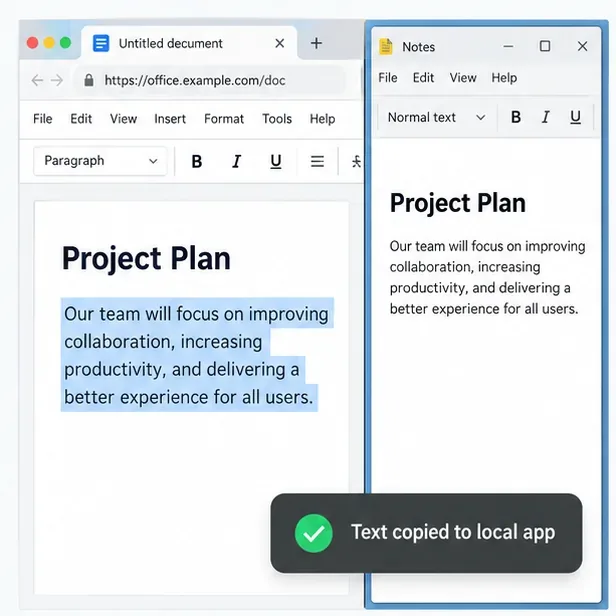
Test the system clipboard, adjust browser permissions, and identify when an embedded Collabora integration needs an iframe policy change.
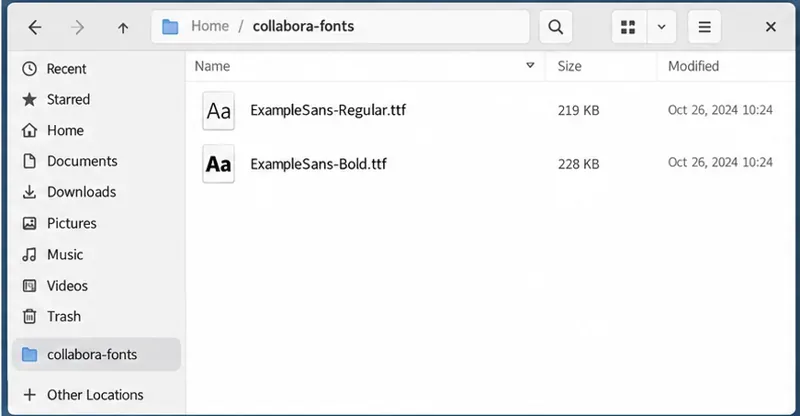
Mount font files into Docker and Collabora’s systemplate so custom typefaces appear in the editor and render correctly in documents.
Back up coolwsd.xml and its deployment sources, restore them safely, and verify CODE before users return to editing.
Allow the exact Nextcloud or other WOPI origin in CODE, then verify the active host allow-list and distinguish it from Nextcloud’s source-IP restriction.