Stop ownCloud File Lock Timeouts with the Right Backend
Distinguish database lock contention from expired WebDAV locks, then choose and configure the right ownCloud 10 fix.
How to view Outlook password on computer is not difficult. This article will show you how to view and recover Outlook passwords saved on your computer.

Microsoft Outlook is one of the most popular email clients. It is always in the top email service options, second only to Apple's mail service and Gmail. Outlook is used quite a lot in business, collaboration, education and other fields.
Anyone can forget passwords if they don't back up or write them down. At this point, you need the help of the Outlook password recovery tool.
Difference between Outlook PST and OST file
How Outlook saves, manages, and secures data depends on the type of account in use. Outlook has two main types of data files:
Thus, the PST data file saves important information, including passwords, to the local computer. Password blocks illegal access, protects emails and data inside. OST files also use local storage but do not contain passwords. Therefore, PST files are often opened to retrieve passwords.
How to recover Microsoft Outlook password
You can easily retrieve your Outlook password with the tools below:
PstPassword

Nirsoft's PstPassword is a great free utility that automatically retrieves PST passwords for local data files. PstPassword shows 3 potential passwords due to encryption errors. If the first choice fails, you have 2 more options.
PstPassword does not require installation, however, your system may view it as a file containing malicious code.
Kernel Outlook PST Password Recovery Tool
Kernel Outlook PST Password Recovery Tool is a free utility but has limited features. Its main limitation is in the unlockable PST file size, which is only 500MB for free.
However, this tool quickly analyzes the PST file, providing hash values for you to enter. Unlike PstPassword, Kernel only provides one password hash. If it is not feasible, Kernel supports removing password protection on PST files.
Recovery Toolbox for Outlook Password

Recovery Toolbox for Outlook Password costs $19, offering more options than the free version. For example, Recovery Toolbox for Outlook Password can:
If you want to view passwords for accounts and Personal Store Folders in Microsoft Outlook, the Outlook password decoder - Recovery Toolbox for Outlook Password is a reasonable choice. It is a special password viewer for all Windows versions.
How to view saved passwords in Outlook:
Note:
Above is how to recover Outlook password . Hope the article is useful to you.
Distinguish database lock contention from expired WebDAV locks, then choose and configure the right ownCloud 10 fix.
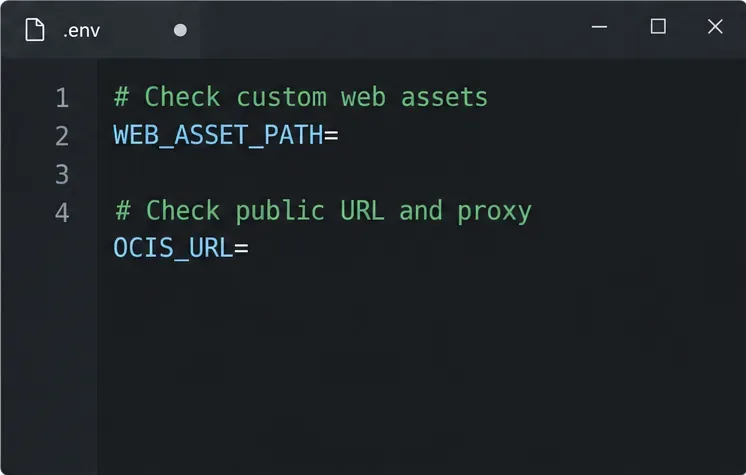
Trace a blank ownCloud Web screen to browser cache, missing web assets, service errors, or reverse-proxy URL settings with targeted checks.
Set ownCloud’s web PHP memory limit, restart the matching service, and verify the active value without confusing it with CLI settings or upload limits.
Find out whether MySQL, PHP, socket settings, or database permissions are blocking ownCloud 10, then verify a safe fix.
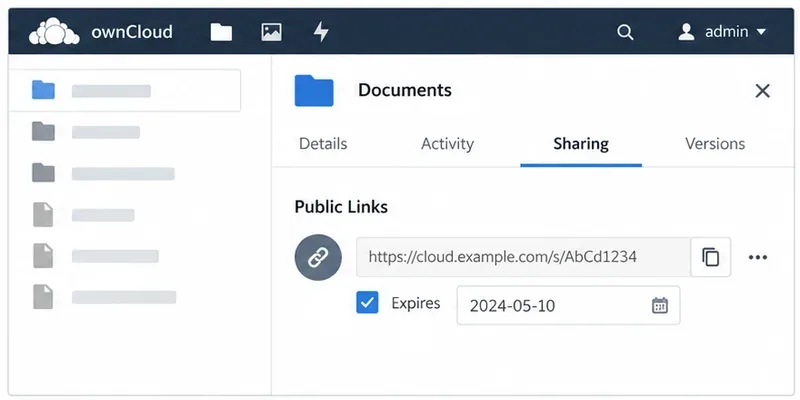
Make public link expiration mandatory in ownCloud Classic, set a maximum lifetime, and check existing shares that may need separate cleanup.
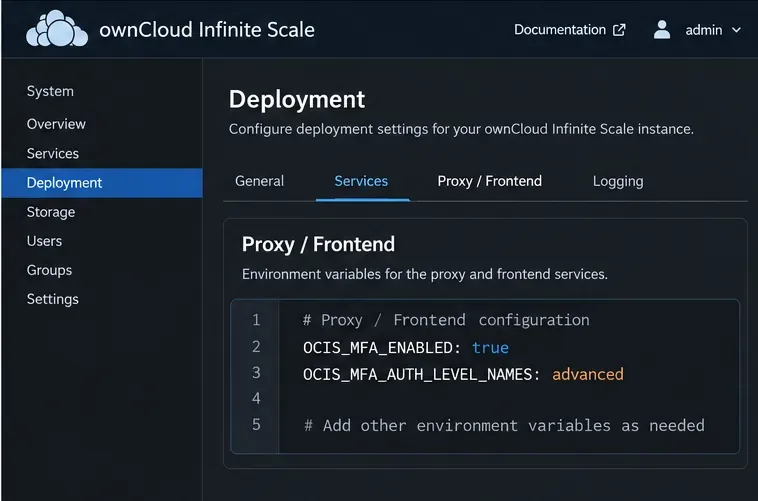
Enable TOTP through Keycloak, enroll users safely, and understand when Infinite Scale’s route-level MFA settings apply.
Check whether the issue is an OC10 and 7.x compatibility break or a damaged CSync journal, then apply the right fix without deleting synced files.
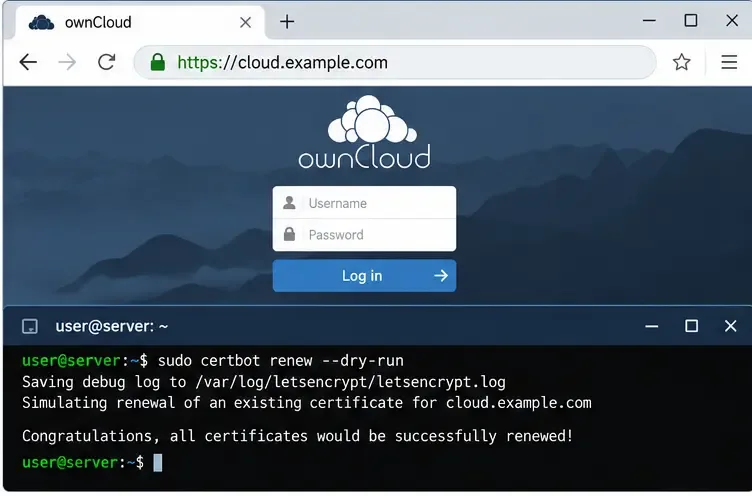
Choose HTTP-01 or DNS-01, configure an ownCloud reverse proxy, and verify Certbot renews HTTPS certificates automatically.
Configure oCIS LDAP sign-in, align user and group lookups, and verify TLS and schema settings before rollout.
Add an Amazon S3 bucket to ownCloud 10, prepare compatible credentials and endpoints, and check access without confusing a mount with primary storage.