mobile apps.
Encrypt Pi-hole Upstream DNS on Ubuntu Server 24.04

Set up dnscrypt-proxy as Pi-hole’s local DoH bridge on Ubuntu 24.04, with a localhost-only listener, resolver selection, and checks before switching DNS.
In November 2020, Google launched the Breakout rooms feature in Google Meet for Google Workspace for Education customers. This feature makes your online classes or meetings more efficient, allowing moderators to divide meeting participants into smaller groups (You can create up to 100 breakout rooms in Google Meet)
The Breakout Rooms feature in Google Meet makes it possible to create 1 or more separate video calls in the main video, where each group cannot see or hear the other groups. Facilitates remote teaching and learning through technology applications become more convenient and efficient.
Creating breakout rooms in Google meet takes just a minute and can change the way you think about online meetings. In this article, the Teaching Manual will show you how to use this feature, it's very easy, follow along.
Prerequisites
Breakout rooms feature is available in the following versions of Google Workspace:
You can join a small group meeting room if:
 or Gmail
 You cannot join the small group meeting room if:
How to create breakout rooms in Google Meet (as a moderator)
1. Start a meeting in Google Meet.
2. Click on the “Activities” icon (circle, square and triangle icons) in the top right corner.
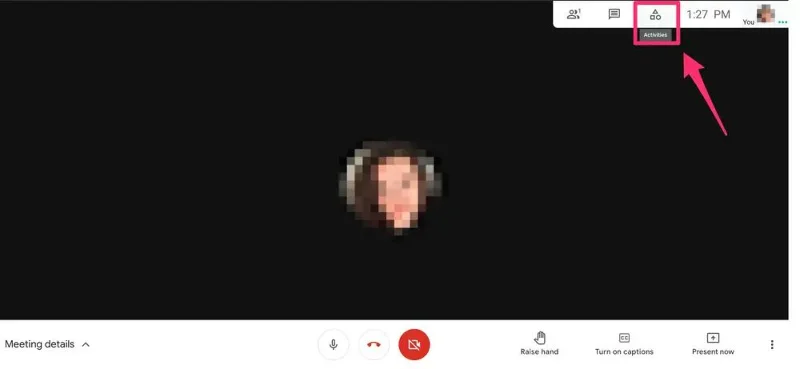
Click on the “Activities” icon in Google Meet
3. Click “Breakout rooms.”
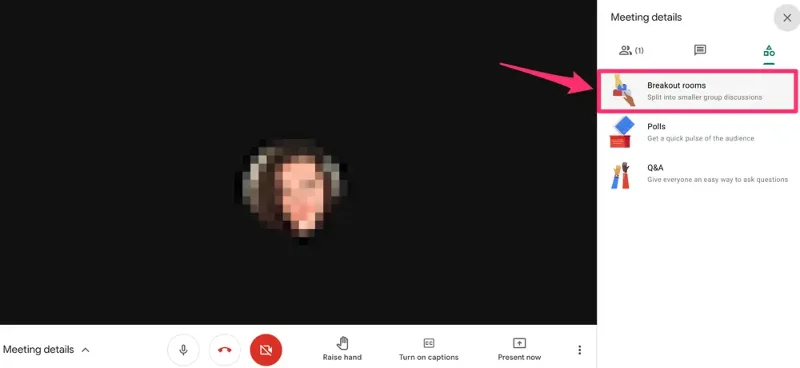
Click “Breakout rooms.” on the screen of Google Meet
4. Click the pencil icon “Edit” and select the number of breakout rooms you want to create.
5. The participants are then distributed across the rooms. Moderators can move people to different rooms by typing someone's name into the room or clicking and dragging into it. Mix button will shuffle the groups randomly.
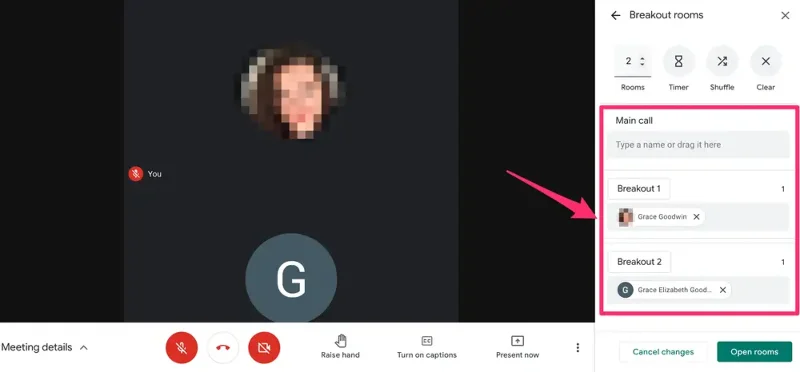
Click “Open Rooms” on the Google Meet screen
6. Click “Open Rooms” at the bottom right to activate the rooms.
After participants join the breakout rooms in Google Meet, they can ask for your help. A message for you to join their room will appear – click “Join” to join or “Later”. A banner that says “Asked for help” will appear above the rooms you've contacted.
“Ask for help” in Google Meet
You can also set the timer for breakout rooms by going to the top of the control panel and clicking the hourglass icon. You can change or remove the timer at any time.
How to join, exit, edit or end all breakout rooms
Once you've created breakout rooms in Google Meet, you can make changes to them or start your own. One caveat is that moderators can only view the internal messages of the breakout room while they are in it.
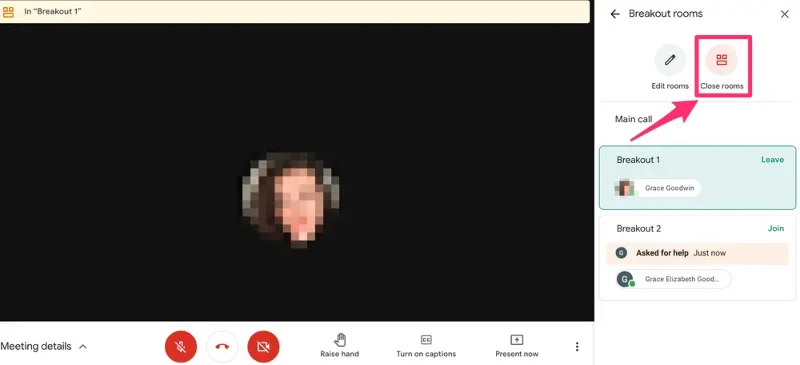
Close all rooms on Google Meet by selecting “Close rooms”
How to join breakout rooms in Google Meet (as a participant)
You will receive an invitation to join a breakout room in Google Meet that has been created for you. When it's over, you'll get a notification that you're back in the main room.
1. Join the call
2. You'll see a prompt to join the room the moderator invited you to. Click “Join”. You will be in the main room if you click “Cancel”.
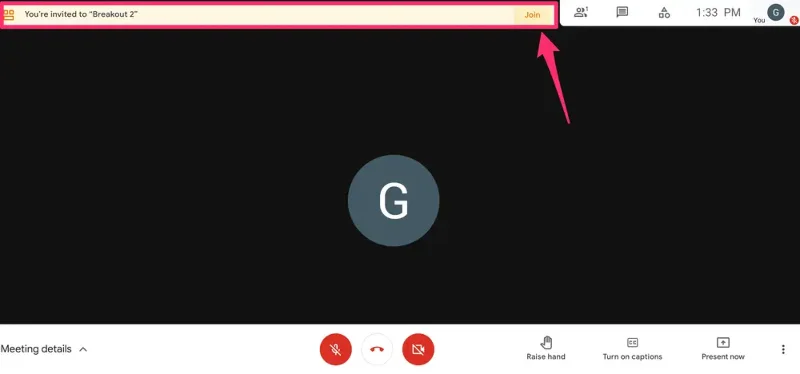
Click “Join”
3. If you are on the phone, dial 2 to go to the breakout room or to return to the main room.
4. If you use the desktop or mobile app, click “Return to main call” at the top of the screen if you want to enter the main room.
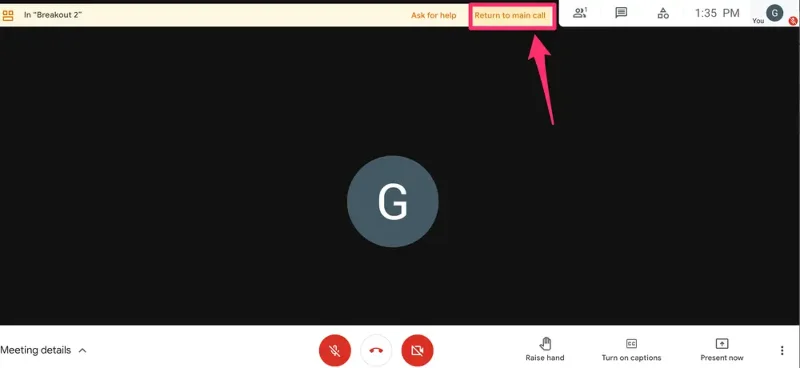
If you use desktop or mobile app, click “Return to main call”
The above are instructions for using the Breakout rooms feature in Google Meet, hoping to bring you interesting experiences and effective lessons and meetings.
Explore more
Set up dnscrypt-proxy as Pi-hole’s local DoH bridge on Ubuntu 24.04, with a localhost-only listener, resolver selection, and checks before switching DNS.
Check Ubuntu’s touchpad settings, confirm Wayland, and test GNOME’s built-in swipes before troubleshooting apps or hardware.
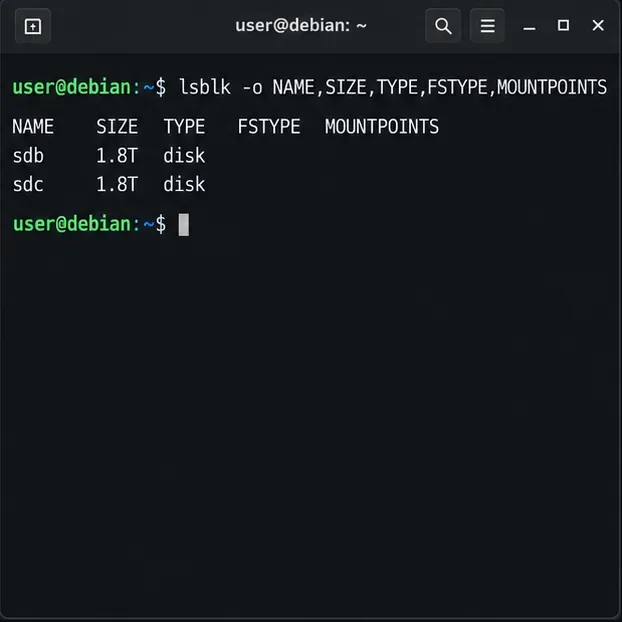
Create and verify a two-disk Debian 12 RAID 1 data array, format it safely, and configure it to assemble and mount after reboot.
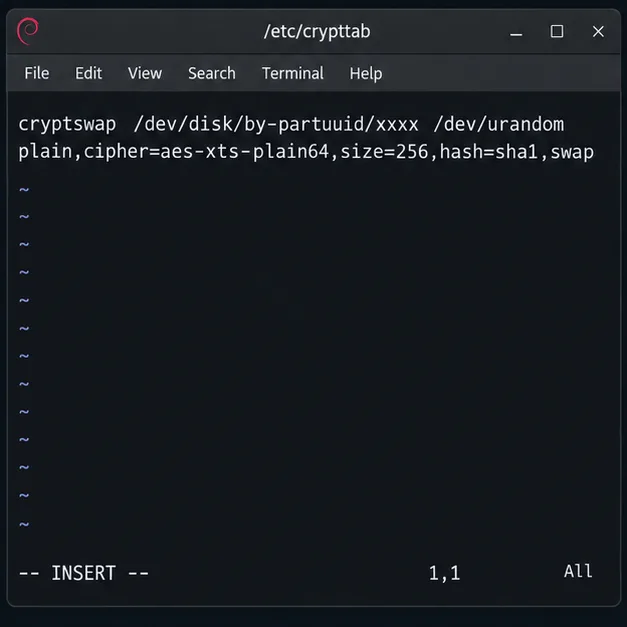
Set up random-key encryption for an existing Debian 12 swap partition, verify the active dm-crypt mapping, and understand the hibernation trade-off.
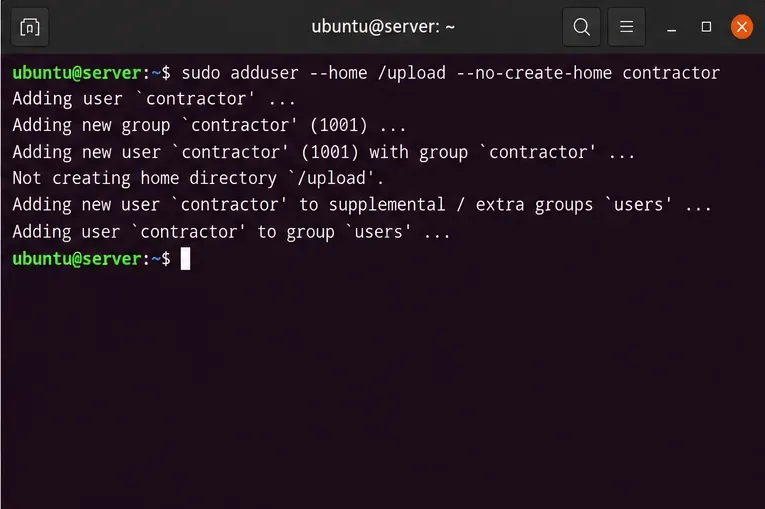
Restrict Ubuntu 24.04 SSH accounts to designated SFTP folders with chroot, proper permissions, Match rules, and safe tests—without granting shell access.
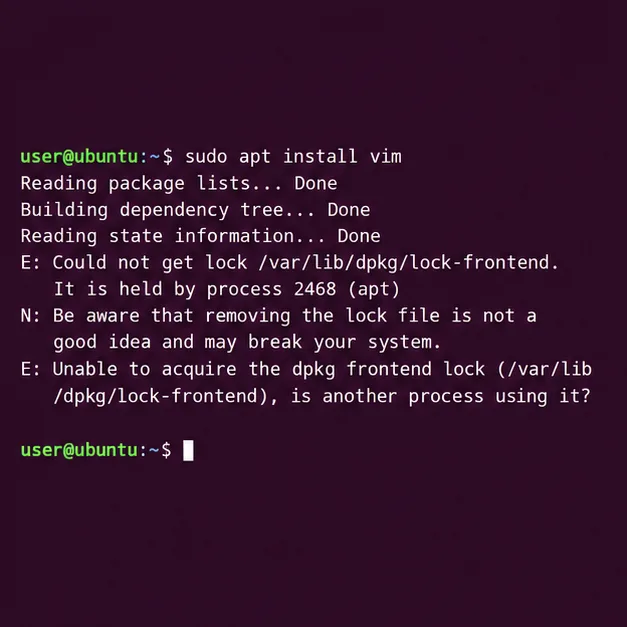
Find which process owns Ubuntu’s dpkg frontend lock, let package work finish, and repair interrupted installations without deleting lock files.
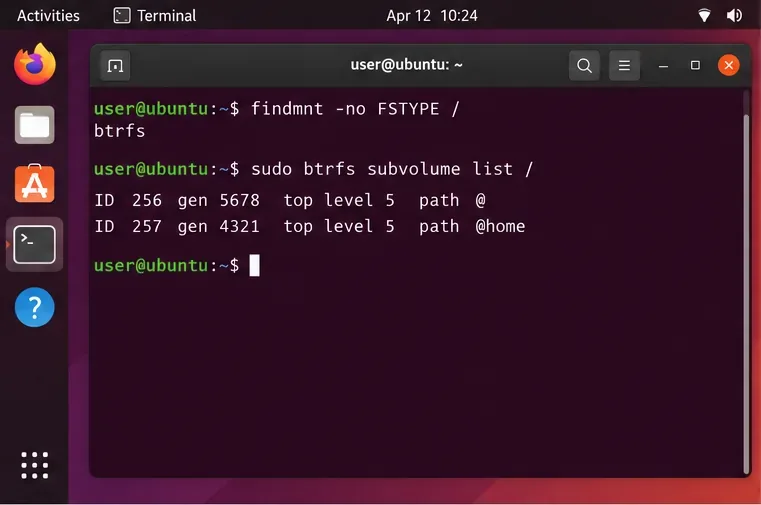
Set up scheduled Btrfs system snapshots on Ubuntu Desktop with Timeshift, verify the Ubuntu subvolume layout, choose retention, and understand what snapshots cannot protect.
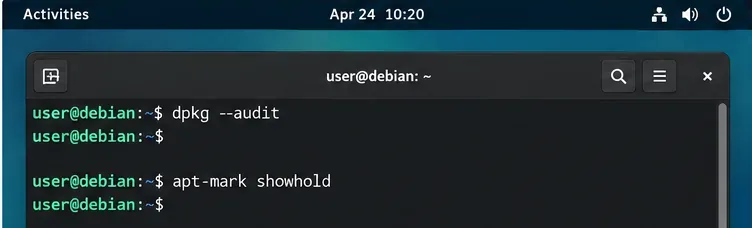
Plan a safer Debian 12 to Testing migration: upgrade through Stable, back up, clean APT sources, simulate dependency changes, and verify what changed.
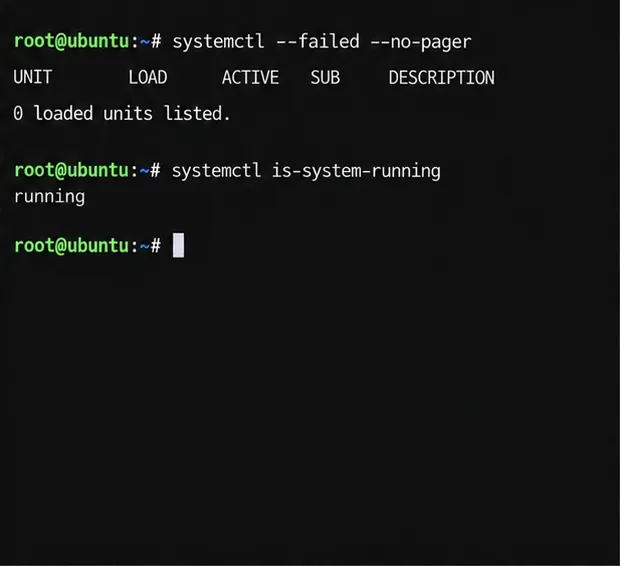
Diagnose Ubuntu Server emergency mode safely. Read boot logs, check root and fstab mounts, repair a failed unit, handle filesystem errors, and verify a clean reboot.
Set up a Debian 12 WireGuard VPN server for one remote client. Configure keys, IPv4 forwarding, nftables NAT, firewall access, and connection checks.