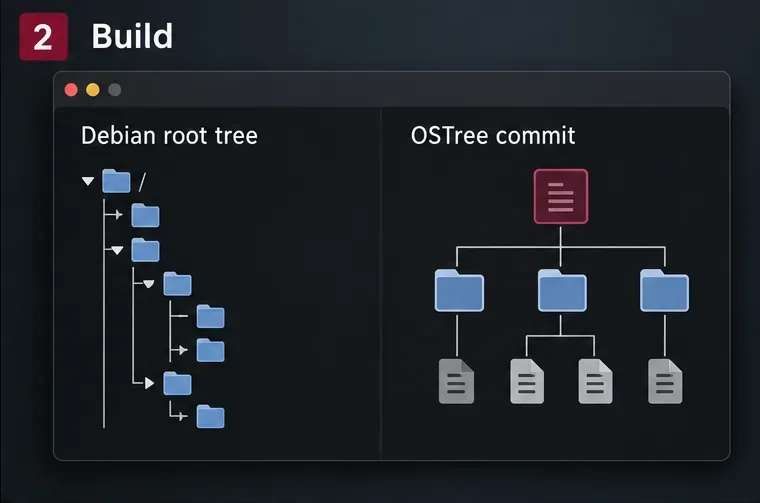
Encrypt Debian 12 Swap with a Fresh Key at Every Boot
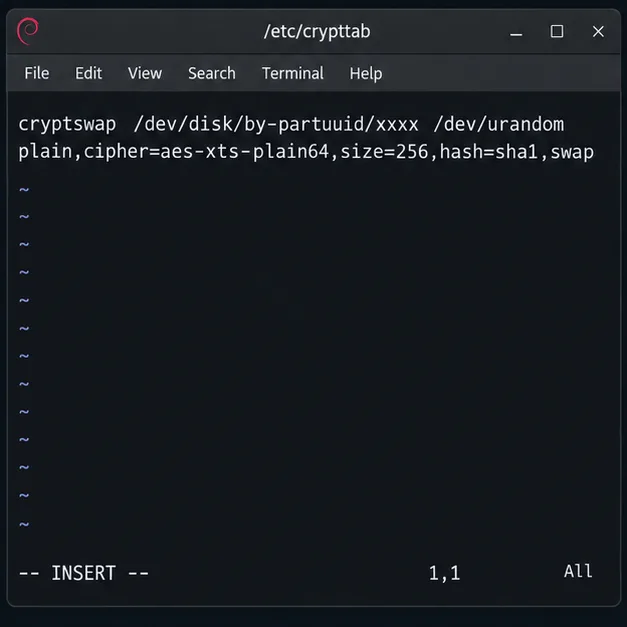
Set up random-key encryption for an existing Debian 12 swap partition, verify the active dm-crypt mapping, and understand the hibernation trade-off.
eSIM is an electronic SIM card that is integrated directly into the iPhone to replace the physical SIM card. And unlike the physical SIM that only needs to be removed to delete the SIM or switch devices, with eSIM on iPhone we will delete the eSIM in the settings on the phone. Basically, the operation to delete eSIM on iPhone is also simple for us to follow. Below are instructions to delete eSIM on iPhone.
Note that deleting the eSIM will stop the phone number using that eSIM. Therefore, before deleting, you should transfer the phone number to another iPhone or switch to a physical SIM before deleting the eSIM. This operation is performed from iPhone X and above.
How to remove eSIM on iPhone at home
Step 1:
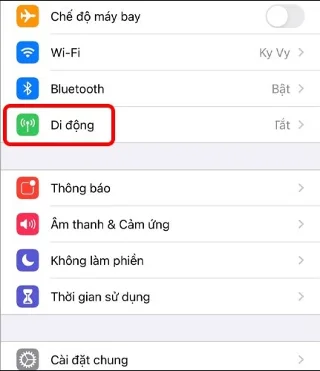
Open Settings on your iPhone then tap Cellular in the list below.
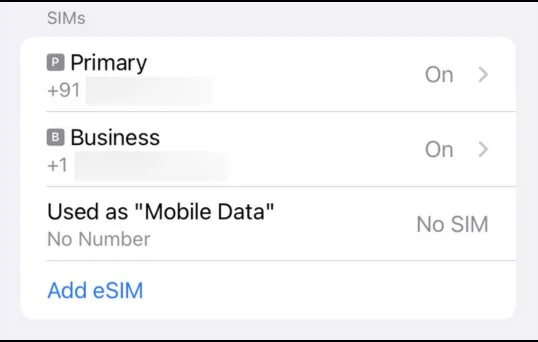
Switch to the new interface, click on the eSIM you want to delete in the list below.
Step 2:
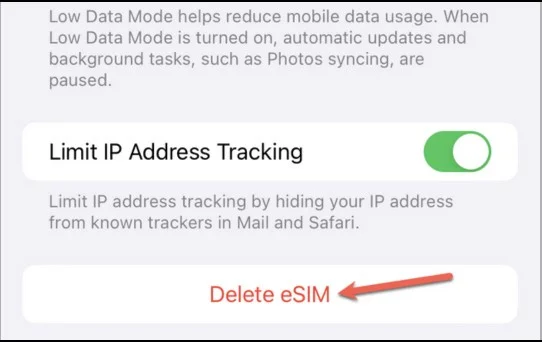
In the information interface as shown, scroll down and select Delete eSIM to delete this eSIM. A message will appear asking if you are sure you want to delete the eSIM, click Delete eSIM to complete the operation.
How to remove eSIM on iPhone at store
If you want to delete the eSIM on this device to switch to another device, or want to learn more information, you can go to the carrier store where you registered. Bring the ID card used to register for eSIM and the iPhone you want to delete eSIM.
Staff will proceed to delete eSIM on the iPhone in use and provide additional information and questions from customers.
Note to delete eSIM on iPhone
Set up random-key encryption for an existing Debian 12 swap partition, verify the active dm-crypt mapping, and understand the hibernation trade-off.
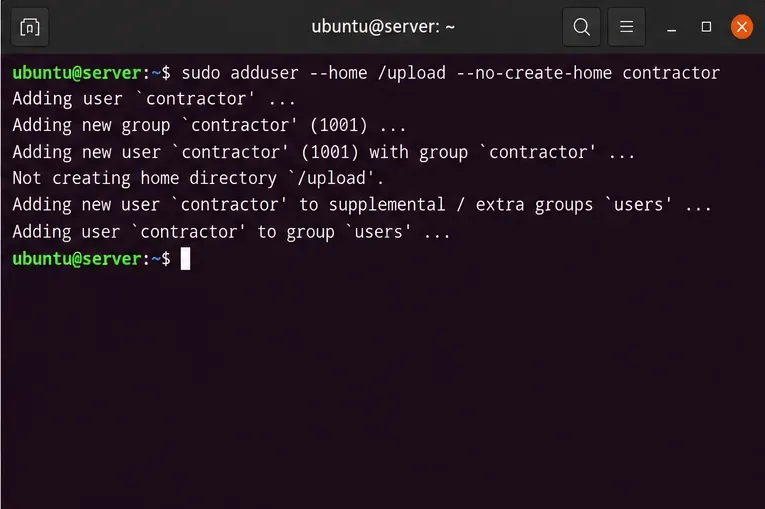
Restrict Ubuntu 24.04 SSH accounts to designated SFTP folders with chroot, proper permissions, Match rules, and safe tests—without granting shell access.
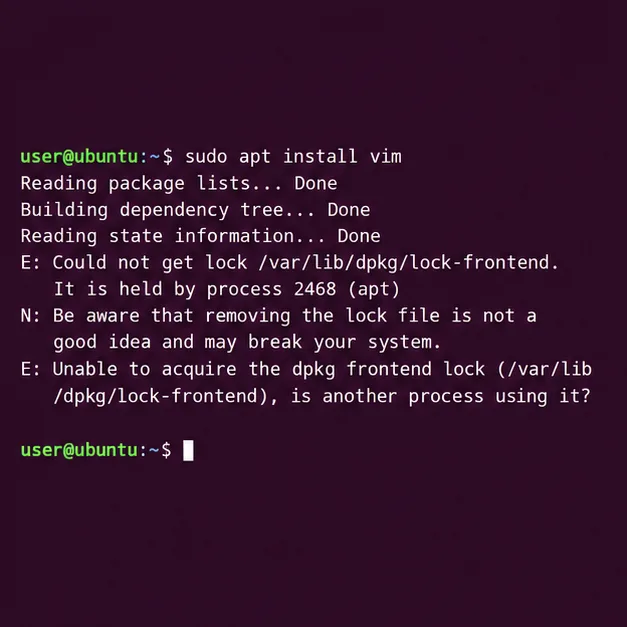
Find which process owns Ubuntu’s dpkg frontend lock, let package work finish, and repair interrupted installations without deleting lock files.
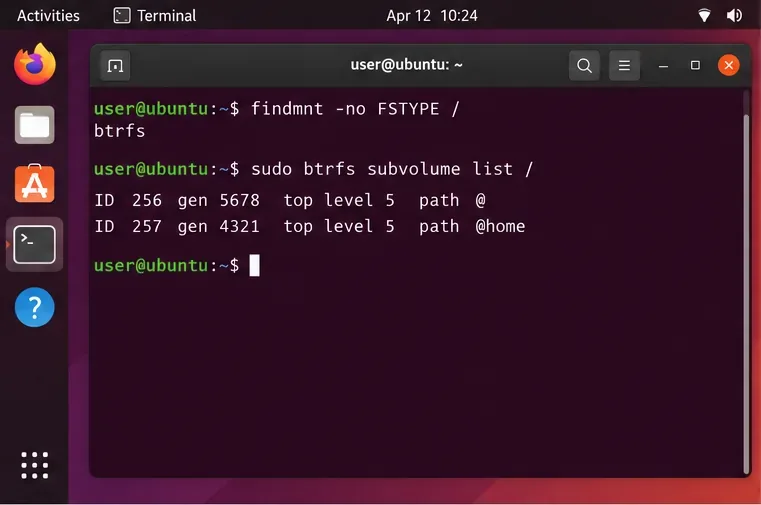
Set up scheduled Btrfs system snapshots on Ubuntu Desktop with Timeshift, verify the Ubuntu subvolume layout, choose retention, and understand what snapshots cannot protect.
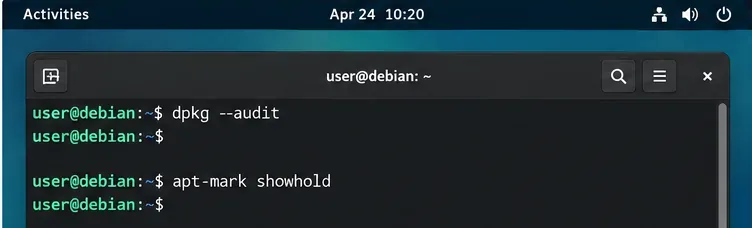
Plan a safer Debian 12 to Testing migration: upgrade through Stable, back up, clean APT sources, simulate dependency changes, and verify what changed.
Diagnose Ubuntu Server emergency mode safely. Read boot logs, check root and fstab mounts, repair a failed unit, handle filesystem errors, and verify a clean reboot.
Set up a Debian 12 WireGuard VPN server for one remote client. Configure keys, IPv4 forwarding, nftables NAT, firewall access, and connection checks.
Harden a Debian 12 workstation with a careful CIS Benchmark workflow: select the right profile, patch safely, review services and access, configure nftables, and document evidence.
Diagnose MySQL OOM kills on Debian 12, check VPS memory limits, configure swap, and tune database memory and concurrency without promising a universal fix.
Learn how to create and test a Debian-derived OSTree desktop in a VM, including system-tree preparation, boot integration, deployment checks, and rollback.