Keep Debian 12 Security Updates Running on a Headless Server
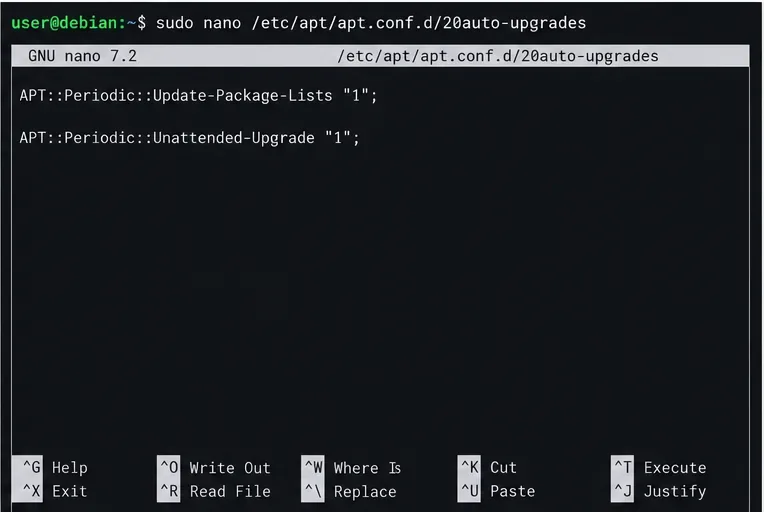
Enable Debian’s unattended security updates over SSH, keep the default package sources, and verify scheduled runs through systemd and APT logs.
The Hardware Acceleration feature in Chrome helps smoothen all operations on the browser from watching movies, surfing the web or playing games. However, this feature sometimes fails when your graphics driver is outdated or has some compatibility issues. If your computer encounters this situation, you should turn off Hardware Acceleration in Chrome, according to the article below.
Instructions to turn off Hardware Acceleration Chrome
Step 1:
We click on the 3 dots icon and select Settings in the displayed list.

Step 2:
Switch to the new interface, the user clicks on the System item in the customization list on the left of the interface.

Step 3:
Looking at the interface next to it, we will turn off the Use graphics acceleration feature setting if available to proceed to disable the Hardware Acceleration setting on the Chrome browser.
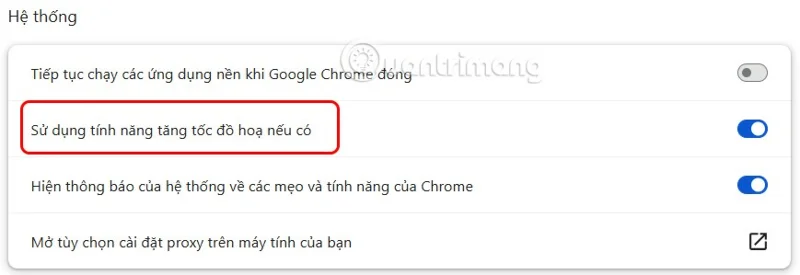
You will now see a Relaunch button to restart your Chrome browser and apply the new settings.

Enable Debian’s unattended security updates over SSH, keep the default package sources, and verify scheduled runs through systemd and APT logs.
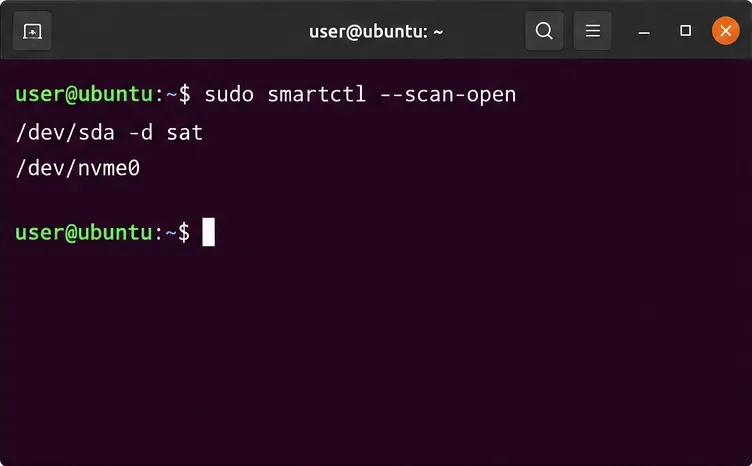
Compare mail delivery options, configure smartd on Ubuntu, and verify that disk-health warnings reach your inbox.
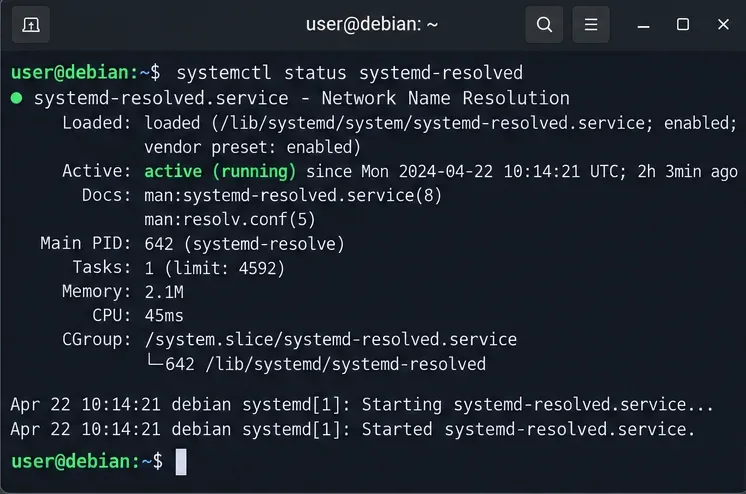
Restore DNS lookups on Debian 12 by checking systemd-resolved, repairing resolv.conf when needed, and verifying upstream DNS and application resolution.
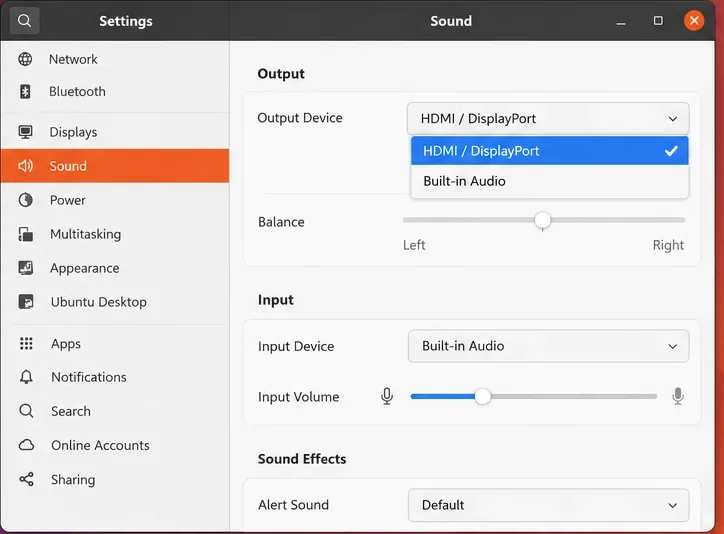
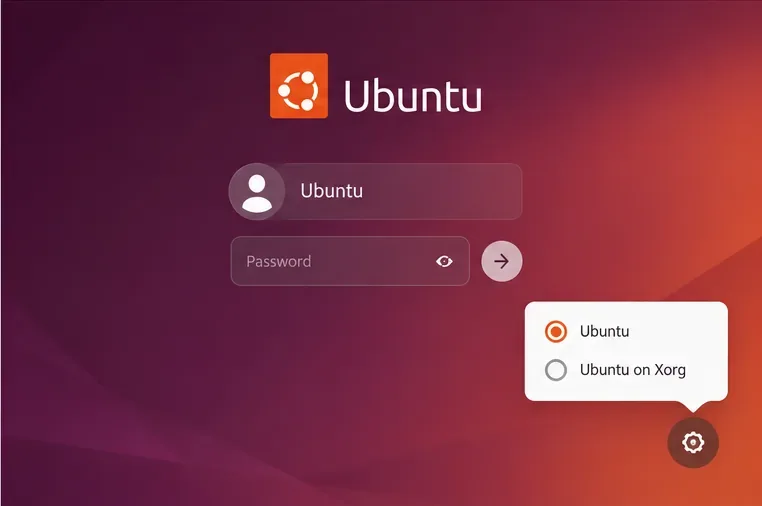
Get Ubuntu to detect your monitor or TV as an audio output, select it in Sound settings, and check the connection or PipeWire device list if HDMI is missing.
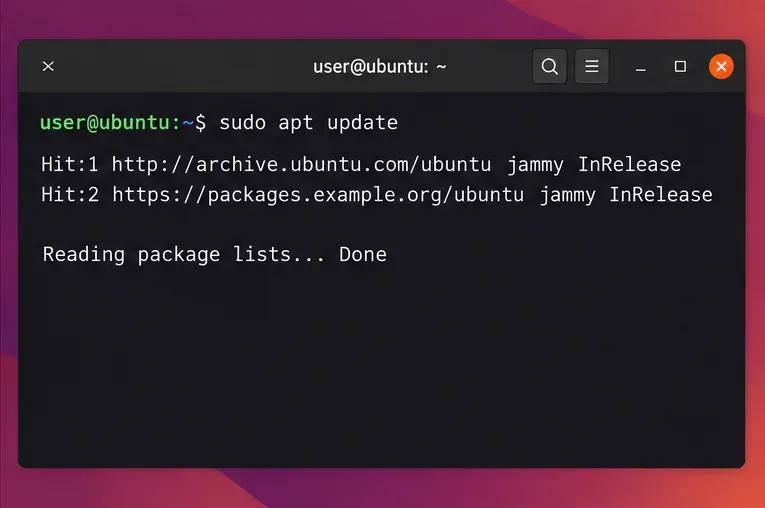
Resolve Ubuntu APT signature warnings safely by identifying the failing source, refreshing its verified key, and checking the result without disabling security.
Learn the balanced three-phase formulas and convert line voltage, current, kW, kVA, and power factor step by step, with a worked example and limits to check.
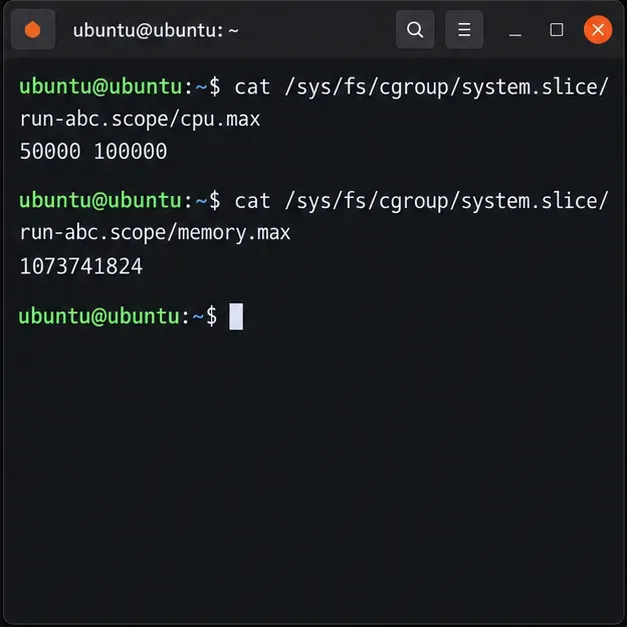
Run a workload inside a systemd scope with CPUQuota and MemoryMax, then verify the limits through cgroup v2.
Set up dnscrypt-proxy as Pi-hole’s local DoH bridge on Ubuntu 24.04, with a localhost-only listener, resolver selection, and checks before switching DNS.
Check Ubuntu’s touchpad settings, confirm Wayland, and test GNOME’s built-in swipes before troubleshooting apps or hardware.
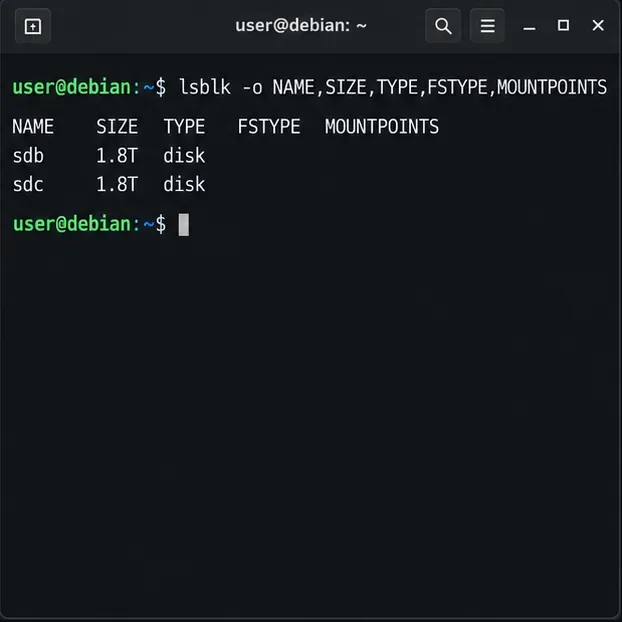
Create and verify a two-disk Debian 12 RAID 1 data array, format it safely, and configure it to assemble and mount after reboot.