How UK Pensions Work: State and Workplace Rules for 2026
Understand UK State and workplace pensions, 2026 rates, automatic enrollment, contributions, retirement ages, and how pension income is paid.
Verified and updated November 10, 2026, at 9:11 p.m. UTC.
The UK Health Security Agency (UKHSA) has issued the first yellow cold-health alert of winter 2026/27 for England’s North West and West Midlands, running from 9 a.m. Thursday, November 12, until noon Saturday, November 14. Other regions of England are currently unaffected. Before the alert begins, check your heating, make sure anyone at greater risk has essential supplies, and plan how to stay warm if cold weather disrupts your routine.
A yellow alert means cold weather is unlikely to affect most people, but it could cause health problems for people who are more vulnerable. The alert is focused on health impacts and helps health and social care services prepare; it is not the same as a general severe-weather warning. Check the Met Office for local snow, ice, or travel warnings.
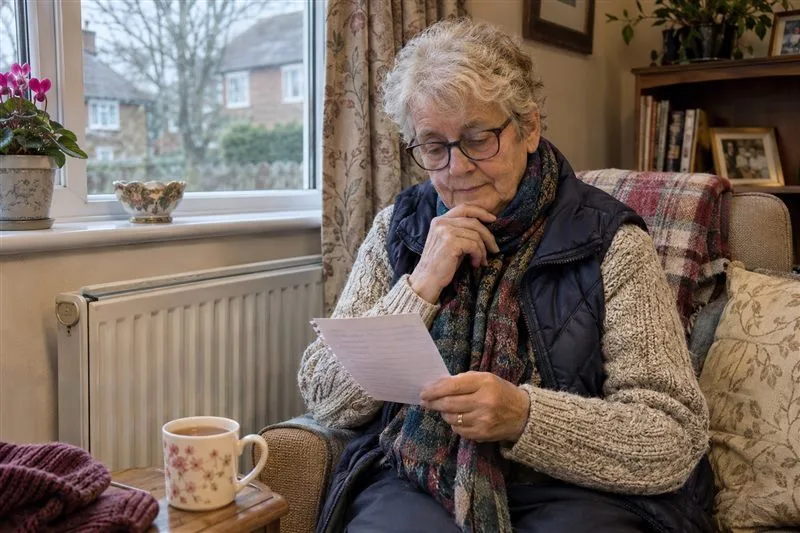
Start with the rooms where you spend the most time, especially the living room and bedroom. UKHSA advises aiming for at least 18°C in these rooms if you can. Set heating controls in advance, close bedroom windows at night, and reduce drafts around doors. Wearing several thinner layers can help you stay warmer than relying on one heavy layer.
Check that your heating and cooking appliances work safely. UKHSA recommends having them checked by a Gas Safe registered engineer and fitting an EN 50291-compliant carbon monoxide alarm. Never use an outdoor stove or barbecue to heat an indoor space. If you rent or cannot make repairs yourself, contact your landlord or local authority to ask what support is available.
Make a short household plan for the alert window. Check that you have food and any regular prescriptions, especially if ice or poor conditions could make it harder to get out. Keep a charged phone and essential contact details nearby. If you rely on powered medical equipment, contact your electricity supplier to ask whether you can join its free Priority Services Register.
UKHSA identifies older adults, particularly people aged 65 and over, and people with long-term conditions such as cardiovascular or respiratory disease as groups that may be more vulnerable. Other people who may need extra support include young children, pregnant people, people with disabilities or limited mobility, people who live alone, and anyone who cannot afford to heat their home adequately. People sleeping rough may also face greater exposure to cold.
Cold can worsen existing health problems. A cold home can also contribute to damp and mold, while winter brings more circulating infections and slippery outdoor surfaces. The practical impact varies by person and location; the yellow alert does not mean that everyone will become ill. It is a prompt to take sensible precautions and check on people who could have difficulty coping.
Send a message or stop by, if appropriate, and ask whether the person is warm, feeling well, and has food and essential medication. Offer practical help such as collecting groceries or prescriptions, checking that the heating is working, or helping them find local support with energy costs. If someone is sleeping rough and needs non-emergency help, use StreetLink to connect them with local services.
Watch for signs that someone may be seriously affected by cold. UKHSA lists shivering, slow breathing, tiredness, confusion, and pale, cold skin as possible signs of hypothermia. If you think someone has hypothermia, call NHS 111 for assessment; in an emergency, call 999. If you are in an at-risk group and begin to feel unwell, contact a pharmacist, your GP, or NHS 111 promptly.
The confirmed alert window is Thursday morning through Saturday midday, November 12–14, in the North West and West Midlands. The official notice says other regions of England are currently unaffected. Forecasts and alerts can change, so check the latest UKHSA announcement and your local weather forecast before traveling or making plans.
For more preparation steps, read UKHSA’s cold-weather advice and the NHS guidance on staying warm and well. UKHSA’s cold-health alert system applies to England; public health advice and support services may differ elsewhere in the UK.
It runs from 9 a.m. Thursday, November 12, until noon Saturday, November 14, 2026, in England’s North West and West Midlands.
No. It indicates possible health impacts for vulnerable groups and prompts preparation. Check separate Met Office warnings for local travel hazards such as ice or snow.
Call NHS 111 for assessment. If it is an emergency, call 999.
Understand UK State and workplace pensions, 2026 rates, automatic enrollment, contributions, retirement ages, and how pension income is paid.
Find old pensions, check your State Pension forecast and estimate retirement income with this practical UK savings checklist.
Learn how UK student loan repayments work in 2026–27, including income thresholds, payroll deductions, interest, and loan write-offs.
Find your UK student loan balance and repayment plan, check payroll deductions, and understand what to do if your account looks wrong.
Learn how to follow Häcken vs. Chelsea live, including official TV channels, verified streaming platforms, kickoff times, and real-time commentary hubs.
The 2026 NFL trade deadline is November 10. Learn the cutoff time, how deals work, and what teams can still do afterward.
Meet Arnold Ebiketie, the edge rusher reportedly headed from the Eagles to the Bengals, and explore his college background and NFL production.
Bob Boone, father of Yankees manager Aaron Boone, died at 78. Explore the catcher’s Phillies career and his family’s three-generation MLB legacy.
Learn how to read the CPI report, compare headline and core inflation, and understand October 2026’s missing annual data.
Track confirmed NFL trades and Minnesota Vikings roster moves as the November 10 deadline approaches. Learn where to verify deals and compensation.