Home
» Today
»
Visa and Mastercard Alerts: How to Protect Your Cards and Accounts — November 20, 2026
Visa and Mastercard Alerts: How to Protect Your Cards and Accounts — November 20, 2026
Information checked: November 20, 2026, at 8:13 p.m. Sydney, AEDT (UTC+11:00; 09:13 UTC).
Australians concerned by reports involving Visa and Mastercard should check their accounts and be alert to impersonation scams, but should not assume their payment cards have been stolen or that the card networks have stopped operating. In statements reported on November 19, both companies linked the security concerns to outside service providers. Visa said its systems and payment card numbers were not affected; Mastercard said a limited group of email addresses associated with a cardholder benefit program had been exposed, but its payment network and card use remained unaffected.
The immediate practical risk for a cardholder is not a confirmed system-wide inability to pay. It is that criminals may use exposed contact information, or headlines about the incidents, to send convincing messages asking people to verify a card, reveal a one-time code or transfer money. The full scope of the third-party incidents remains under investigation; there is no verified basis here to say every Australian Visa or Mastercard account has been compromised.
Destaques
Visa and Mastercard say their payment networks continue to operate; neither reported an exposure of payment card numbers in the disclosed provider incidents.
Check transactions and activate alerts using your bank’s official app, rather than links in unexpected emails or texts.
Freeze the card and contact its issuing bank immediately if you see an unfamiliar charge, suspect card details were stolen or notice suspicious account access.
Use unique passwords and multi-factor authentication, particularly for your primary email and banking accounts.
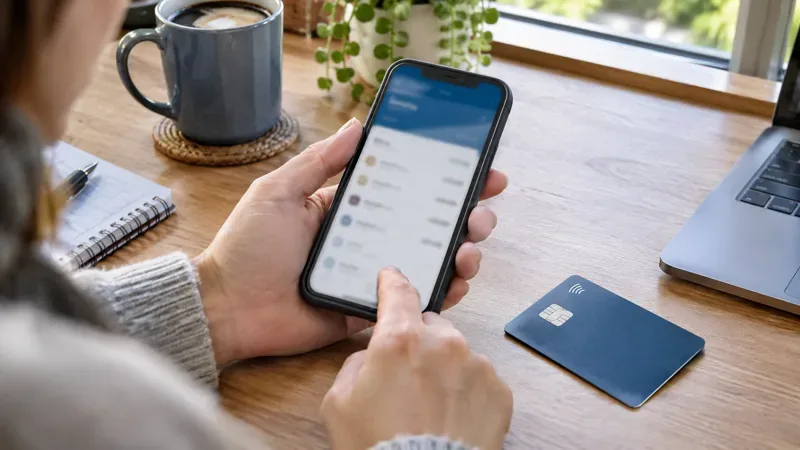
Illustrative image of a cardholder reviewing transactions in a banking app; not a photograph of a reported cyber incident.
What did the latest Visa and Mastercard security alerts actually confirm?
Reporting based on company statements on November 19 described third-party vendor incidents involving JPMorgan Chase, Visa and Mastercard. Visa connected the claims to a provider in the Asia-Pacific region and said its own systems were not involved, with no payment data such as card numbers affected. Mastercard described a limited exposure of non-payment information, predominantly email addresses from a small set of customers enrolled in a particular benefit program. JPMorgan said outside vendors holding marketing information may have exposed some customer names and email addresses. These are distinct accounts of incidents and do not establish that all three companies experienced the same intrusion.
Those statements matter because a vendor-held mailing address or name can help a fraudster impersonate a familiar business, but it is not the same thing as possession of a usable card number, PIN or banking password. Claims posted by an extortion group are not independent proof of the scope of any breach. Nor should a separate banking service outage be presented as the result of this vendor activity: JPMorgan said an earlier disruption was unrelated.
What should Australian cardholders do first?
1. Check recent payments and switch on transaction notifications
Open your bank’s app directly or enter the bank’s address yourself. Review recent card purchases, pending transactions, direct debits and any changes to contact details. If the bank provides push notifications or SMS alerts for purchases, turn them on. A small unfamiliar amount may still deserve investigation. Keep a record of anything suspicious, including its amount, merchant description and date.
2. Lock a suspect card and call the issuing bank
If you see an unauthorized transaction or believe card credentials have been disclosed, use your bank’s in-app card lock or emergency contact number. Ask whether the card should be canceled and reissued, whether tokenized wallet credentials need review, and how to dispute the charge. A card lock is useful as an immediate precaution but may not stop every type of recurring or already-authorized payment. If you only read a broad news headline, without an unusual transaction or direct notification that you are affected, an automatic replacement of every card is not necessarily required; follow your issuer’s assessment.
3. Secure email, passwords and sign-in methods
Change any compromised or reused passwords from a trusted device and activate multi-factor authentication for email, banking and shopping accounts. The Australian Signals Directorate advises using stronger methods, such as passkeys or authenticator apps where supported. Check email forwarding rules, recovery addresses and signed-in devices for unexpected changes. Control of an email inbox can allow someone to reset passwords on other financial services.
How can you tell a real bank alert from a phishing attempt?
An unexpected text that claims your Visa or Mastercard account will be suspended unless you click immediately deserves skepticism. So does a caller who knows your name and email but asks for a one-time password, banking PIN, card verification code or transfer to a so-called safe account. Contact details and caller IDs can be spoofed, and scam messages may appear alongside genuine bank texts. The Australian Competition and Consumer Commission’s Scamwatch guidance says to verify the issue by opening the institution’s official app or independently finding its phone number, not by following a link in the message.
Never give a stranger remote access to your device, approve a login you did not initiate or move money to prove it is safe. If you already clicked a link but entered nothing, stop interacting with it and check the device and account for unusual behavior. If you entered credentials or supplied an authentication code, contact the affected bank immediately and reset credentials through a trusted channel.
Will Australian banks refund unauthorized card transactions?
Australia’s ASIC ePayments Code sets rules for liability for unauthorized electronic transactions at subscribing institutions. Most banks and many other providers subscribe, but whether a particular loss is reimbursed depends on the circumstances and applicable rules. An unauthorized card purchase and a transfer that a customer was tricked into approving may be treated differently. Do not assume a refund is guaranteed, and do not delay reporting while trying to determine the legal category yourself.
Report disputed transactions to the bank as soon as you notice them and request a reference number and written response. ASIC’s Code generally requires a subscribing institution to complete its investigation within 21 days or explain in writing why more time is needed; absent exceptional circumstances, the outer investigation period is generally 45 days. If the bank’s response is unsatisfactory, you may be able to complain to the Australian Financial Complaints Authority after raising the issue with the institution.
What could happen next after these provider incidents?
Companies may contact identified affected customers, provide more information about which vendor records were exposed or issue account-specific instructions. Such steps are possibilities, not confirmation that an individual Australian cardholder is affected. An uptick in convincing phishing emails is also a plausible risk after personal contact details are exposed, although the reports do not prove that a particular scam message originated from these incidents.
For now, keep using normal payments unless your bank advises otherwise, make sure account alerts are active, and review any direct notification carefully through a trusted channel. If your bank identifies an affected card, follow its replacement instructions. If no evidence of compromise appears, monitoring and stronger account security are more proportionate than responding to alarming unsolicited messages.
FAQ
Do I need to cancel my Visa or Mastercard today?
Not solely because of the reports. Contact your card-issuing bank immediately if there is suspicious activity, card loss, exposure of card details or a verified instruction to replace it.
Were Visa and Mastercard card numbers stolen?
In the November 19 company statements reviewed for this article, Visa said payment data such as card numbers was unaffected, and Mastercard described limited non-payment data exposure. That does not establish the contents of every vendor system or rule out later findings.
Where can I report a suspicious charge or phishing message?