Australia’s $110 Million Powerball: What to Check Before the November 26 Draw
Australia’s Powerball jackpot is listed at $110 million for November 26. Check your entry, cutoff time, odds and ticket verification steps before playing.
Updated: November 25, 2026, 9:11 p.m. UTC.
A winter storm warning is a signal to act on the forecast for your own location: secure essentials, change travel plans where possible, and keep monitoring Environment and Climate Change Canada (ECCC) updates. ECCC warnings mean severe weather is happening or expected and people should act now; the affected area, timing, impacts and recommended actions are stated in the alert text. This guide covers preparation, safety during the storm and recovery afterward. It does not report or imply that a warning is currently in effect for any particular Canadian community.
For the current local picture, use ECCC’s Weather Information map or WeatherCAN app and read the complete alert rather than relying on a headline or social post. A winter storm can combine hazards such as heavy snow, freezing rain, extreme cold and poor visibility, while the risks vary by region and change over time.
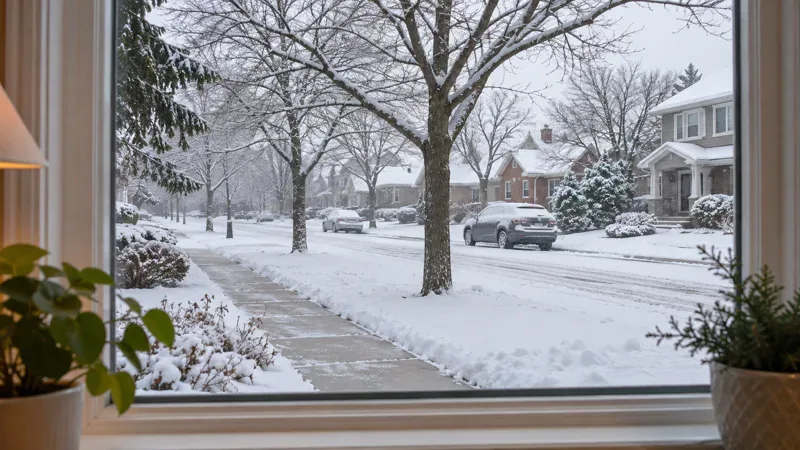
Start with the official alert for your area. ECCC describes warnings as urgent notices for severe weather that is occurring or expected; watches mean conditions are favourable for severe weather and people should get ready, while advisories flag significant but generally less severe events. Colour coding indicates severity, but the full message matters most: it explains what is forecast, when and where it may happen, likely impacts, confidence and actions to take. Alert polygons can change, so check again as the system evolves.
Make a household plan that accounts for children, older adults, pets, medication needs and anyone who might need help moving or communicating. Agree on how family members will check in if mobile service or power is interrupted. Keep a flashlight, battery-powered or hand-crank radio, spare batteries, first-aid supplies, warm clothing and blankets available. Store drinking water, ready-to-eat food and essential medications, and know how to contact local emergency services. Public Safety Canada’s Get Prepared program recommends building an emergency kit and making a plan for the needs of everyone in the household.
Prepare the home before snow or ice makes outdoor work harder. Check that smoke and carbon monoxide alarms work and have battery backup. Know how to shut off utilities if local authorities advise it. Keep shovels, traction salt or sand, and snow-clearing tools accessible. If you have a generator, learn its instructions before an outage: federal guidance says fuel-burning generators must be used outdoors at least 6 metres (20 feet) from buildings, with exhaust directed away from doors and windows. Never run a generator, barbecue or camping stove inside a home, garage, shed or other enclosed or covered space.
If travel may be necessary, consider postponing it first. If you must go, check ECCC weather and provincial or territorial road-condition services, including 511 where available. Tell someone your route and expected arrival, fully clear windows and lights, drive for the conditions, and bring warm clothing, water, food, a phone charger and other vehicle emergency supplies. A full fuel tank and winter tires can help with preparedness, but they do not make dangerous roads safe.
Follow the latest local instructions and avoid driving during a winter storm when travel can wait. Snow, freezing rain, blowing snow and black ice can reduce traction or visibility with little warning. Stay indoors during blizzard conditions if possible. If you must go outside briefly, dress in layers with a wind-resistant outer layer, cover exposed skin, and avoid staying out long. Wet clothing accelerates heat loss; change into dry clothing promptly.
If you are stranded in a vehicle, official Canadian preparedness guidance says to stay inside if it is safe to do so and keep the exhaust pipe clear of snow and ice. Make the vehicle visible to rescuers and use emergency signals as appropriate. Do not run the engine continuously without checking for exhaust blockage, because carbon monoxide can build up. Follow emergency personnel’s directions if they reach you.
During a power outage, use only safe, manufacturer-approved heating and cooking methods. Keep outdoor exhaust vents clear of snow, since a blocked vent can allow carbon monoxide to build up indoors. Never heat a home with an oven, barbecue or camp stove. If you use a fireplace or fuel-burning appliance, follow its operating and ventilation instructions. If the home becomes too cold or unsafe, seek an official warming centre or shelter if authorities identify one, and travel there only when it is safe.
Cold exposure can lead to frostbite and hypothermia, and Health Canada notes that wind chill increases heat loss from exposed skin. Babies, older adults, people experiencing homelessness, outdoor workers, and people with certain medical conditions or medications may face higher risk. Watch for numbness, unusual skin appearance, persistent shivering, confusion, slurred speech, loss of coordination or unusual drowsiness. If someone appears severely ill, unconscious or confused, call 9-1-1 or the local emergency number. Move them to shelter, remove wet clothing and warm them gradually while help is coming; do not rub frostbitten skin.
Shovelling heavy snow is strenuous, especially in cold weather. Take breaks, avoid overexertion and seek help with heavy clearing if you have a heart condition or other health concern. Check in by phone with neighbours or relatives who may be isolated, and do so without putting yourself into hazardous conditions.
Do not assume roads and walkways are safe as soon as snowfall slows. Wait for local authorities and road operators to report conditions, and watch for drifting snow, black ice and falling branches. Clear paths carefully, use salt or another suitable traction material, and take breaks rather than attempting strenuous snow removal all at once. Keep away from downed power lines and report them to the utility or emergency services; never touch a line or an object in contact with it.
As temperatures rise, melting snow can cause flooding. Check basements and low areas for water, and inspect exposed pipes for freezing or leaks. Canada’s winter-storm preparedness guidance recommends checking pipes because frozen water can cause them to burst; after thawing, look for water damage and monitor damp areas for mould. Replenish emergency supplies, recharge batteries, and review what worked in your household plan before the next alert.
Use ECCC’s official weather map and public alerts, or enable notifications in the WeatherCAN app. For practical planning, read the federal Get Prepared winter-storm guide. For cold-related health risks and protective steps, consult Health Canada’s extreme-cold guidance.
Not necessarily. ECCC says a warning means severe weather is happening or will happen, so check the alert’s stated timing and affected area and follow its recommended actions.
Delay or cancel non-essential travel when hazardous conditions are occurring or expected. If travel cannot be avoided, check the latest weather and road reports, tell someone your route, prepare your vehicle and drive for conditions.
No. Government guidance says fuel-burning generators belong outdoors at least 6 metres (20 feet) from buildings, with exhaust directed away from openings. Never run one in a garage or enclosed space.
Australia’s Powerball jackpot is listed at $110 million for November 26. Check your entry, cutoff time, odds and ticket verification steps before playing.
Lotterywest says Australia's Powerball jackpot rose from A$100 million to A$110 million. Existing Draw 1593 entries qualify automatically; see cutoff and draw details.
Philadelphia and Miami are set for an NBA Cup matchup in Philadelphia. The game has not started as of 4:48 p.m. EST; here is what is confirmed and what comes next.
Jennifer Barreto of Puerto Rico won Miss Universe 2026. See what official event coverage and her biography confirm—and what search trends cannot tell us.
Roma held PSG to a 2–2 draw in Paris, ending the hosts’ perfect Champions League league-phase start. Here’s what happened and what it means.
Jennifer Barreto’s Miss Universe 2026 win is driving searches for the new titleholder, the historic milestone and what happens next.
LOSC vs. Bayern is trending as Lille hosts a pivotal Champions League clash. See the live score, kickoff details, team context and what the result could mean.
Miami entered 2–0 in NBA Cup East Group B and could clinch with a win. The live score feed is stale, so no current score or final is claimed.
Find Pacifica Municipal Pier at 2100 Beach Blvd. in Pacifica, California. It is closed after structural damage, and part reportedly broke away during Nov. 25 surf.
Walmart U.S. stores will be closed on Thanksgiving, Nov. 26, 2026. See how to check your store’s hours, pickup availability and Black Friday opening time.