Home
» PC Tips
»
11 Ways to Open Recycle Bin on Windows
11 Ways to Open Recycle Bin on Windows
Whether you're using Windows 10 or Windows 11, finding items you've deleted starts with opening the Recycle Bin folder. That's because the Recycle Bin in Windows is like a safety net that you can use to recover files or folders you've previously deleted from your computer or device.
So, if you are wondering “Where is the Recycle Bin in Windows?” or “Where to find the Recycle Bin on your laptop”, this guide will give you the answer.
The Recycle Bin in Windows is a special folder that stores your deleted files and folders. When you delete items from your PC, they go to the Recycle Bin instead of being permanently deleted. This is always useful if you accidentally delete your files.
An easy way to move an item to the Recycle Bin is to click on it and press the Delete key . Alternatively, you can right-click on the item and select Delete from the menu that appears.
While this is a convenient feature, your deleted files will still take up space on your hard drive until you permanently delete them. But depending on your Recycle Bin settings, the Recycle Bin may permanently delete some items after a while.
Now, let's look at the different ways to open the Recycle Bin.
1. Use the Recycle Bin desktop shortcut in Windows 10 and Windows 11
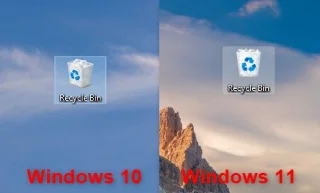
By default, the Recycle Bin is located in the upper left corner of your desktop. This is the easiest way to access the Recycle Bin, as all you have to do is find the icon on your desktop. In case you need a refresher on what the icon looks like, here is what it looks like in Windows 10 and Windows 11:
Recycle Bin icon on Windows 10 and Windows 11 desktop
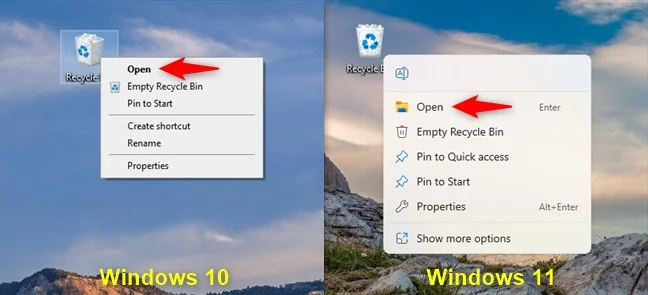
Once you find the Recycle Bin on your desktop, select the icon and press Enter on your keyboard or double-click it to open the folder. Alternatively, you can right-click or press and hold the icon to open the context menu. Then, click Open .
Open Windows 10 or Windows 11 Recycle Bin from desktop
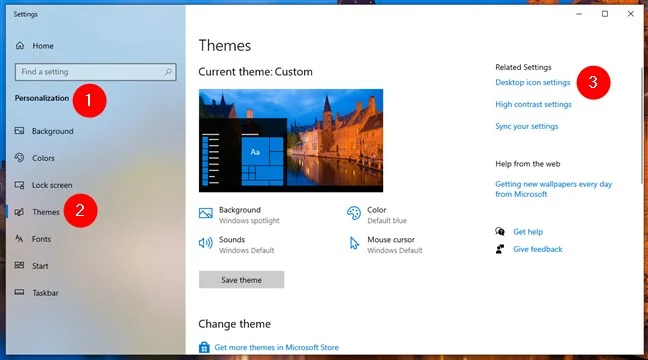
Whether you're using Windows 10 or Windows 11, open the Settings app ( Win + I ) and go to Personalization > Themes . Then, click the Desktop icon settings link under Related Settings . Here's how to find it in Windows 10:
In Windows 10, go to Settings > Personalization > Themes > Desktop icon settings
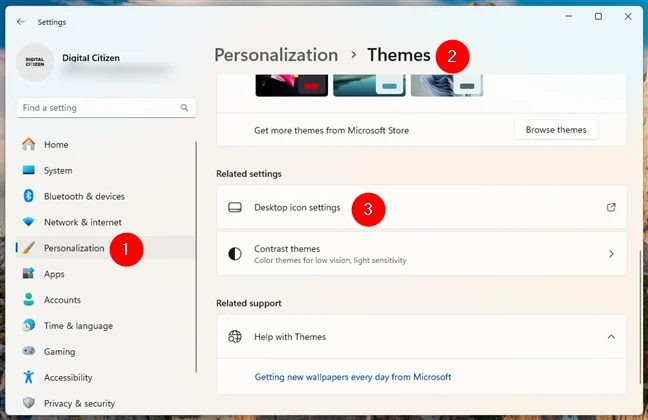
And here is the interface in Windows 11:
In Windows 11, open Settings and go to Personalization > Themes > Desktop icon settings
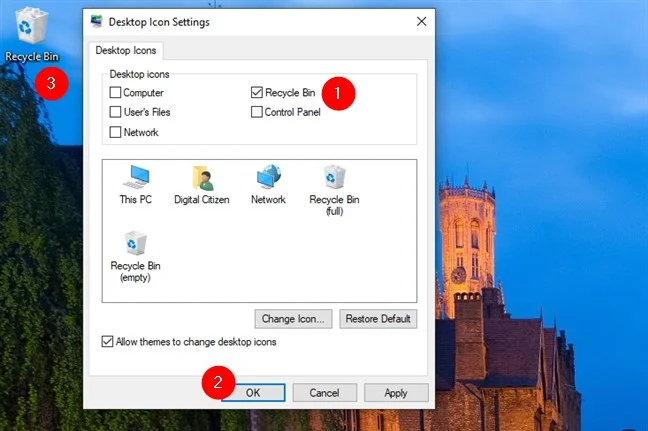
After you click on the Desktop icon settings link, a new window with the same name will open. It doesn’t matter whether you have Windows 10 or Windows 11. In this window, check the box next to Recycle Bin, then click OK . Once you do that, the Recycle Bin icon will be added to your desktop.
Show Recycle Bin icon in Windows
Now that you've set Windows to display the Recycle Bin on your desktop, you'll always know where it is, right?
3. How to find Recycle Bin in Windows using Search
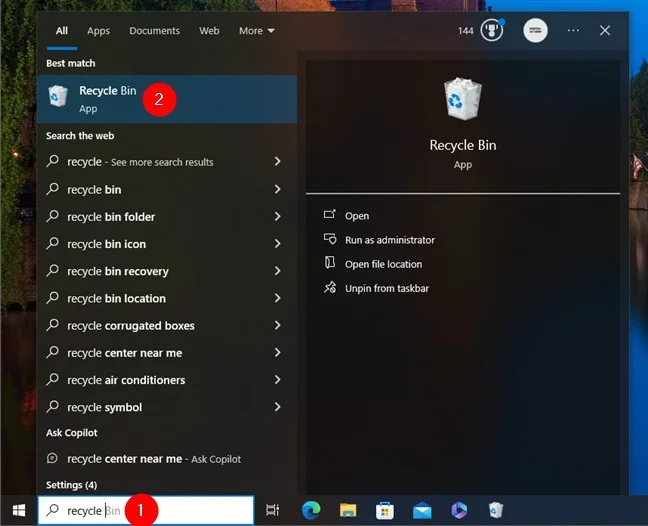
You can always rely on Search in Windows 10 to find what you're looking for. Just type "Recycle Bin" into the search field, then click the relevant result.
Find and open the Recycle Bin in Windows 10
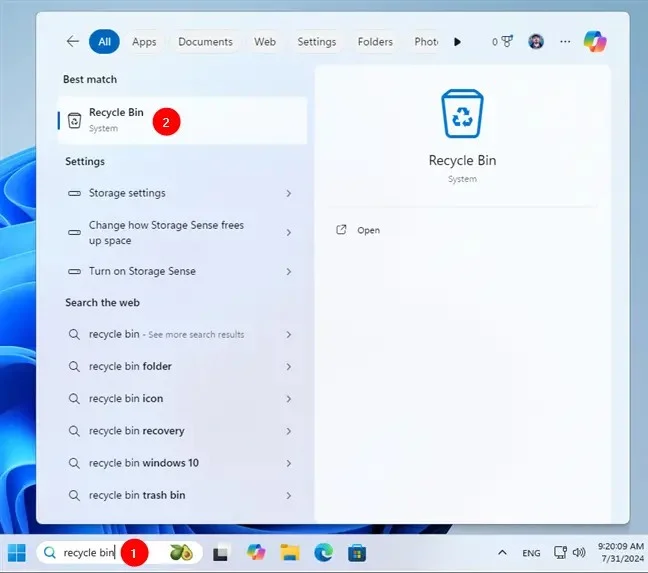
The same applies to Windows 11: type recycle bin into the search box on the taskbar and click the Recycle Bin result.
Use Search to find the Recycle Bin in Windows 11
In both operating systems, the Recycle Bin opens as soon as you click on a search result.
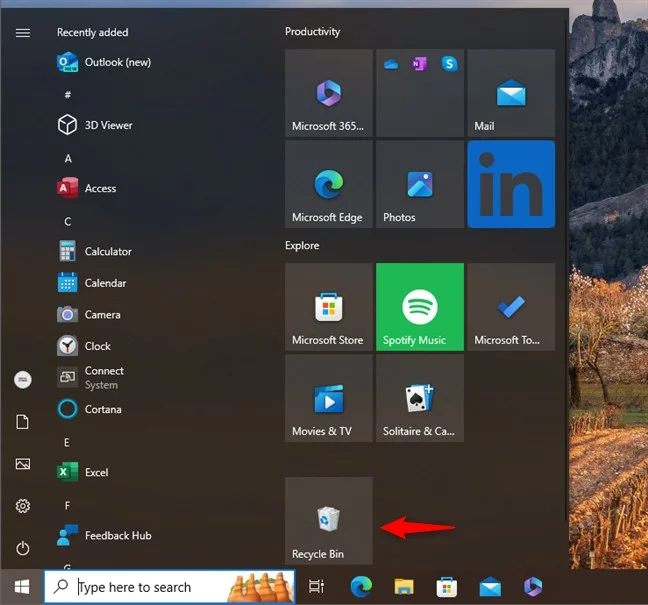
4. How to pin Recycle Bin to the Start menu
While the Recycle Bin doesn't have a Start menu icon by default, you can pin it there just like any other shortcut in Windows 11 or Windows 10. Right-click or press and hold on the Recycle Bin icon on the desktop, then click Pin to Start .
Pin Recycle Bin to Start menu
If you're using Windows 10, the Recycle Bin icon is added to the Start menu tile.
Add Recycle Bin to Windows 10 Start Menu
In Windows 11, the Recycle Bin will be added to the Pinned section of the Start menu.
Add Recycle Bin to Windows 11 Start Menu
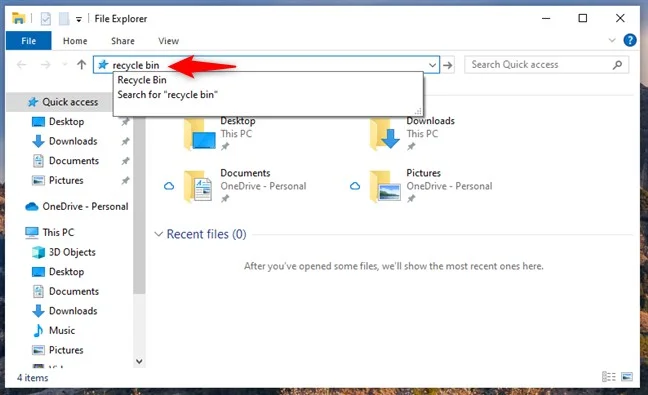
5. How to find Recycle Bin in File Explorer
You can also access the Recycle Bin location using File Explorer. First, open File Explorer and click an empty area on the address bar to edit. Type recycle bin in the address bar, then press Enter on your keyboard or click the Recycle Bin result shown below to access the folder. The entire process looks like this in Windows 10:
In Windows 10, type Recycle Bin and press Enter
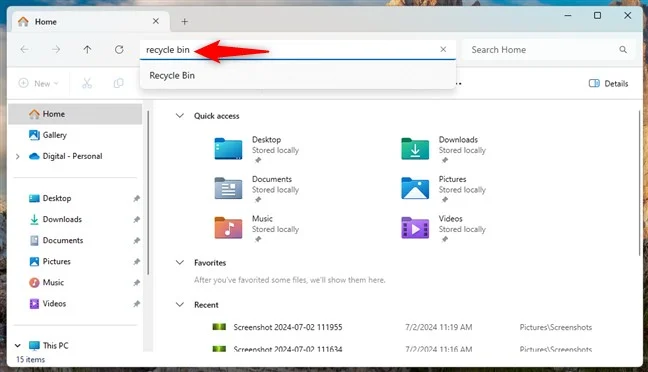
And here's the same thing in Windows 11:
In Windows 11, type Recycle Bin into the File Explorer address bar and press Enter.
6. How to access the Recycle Bin using File Explorer's > menu
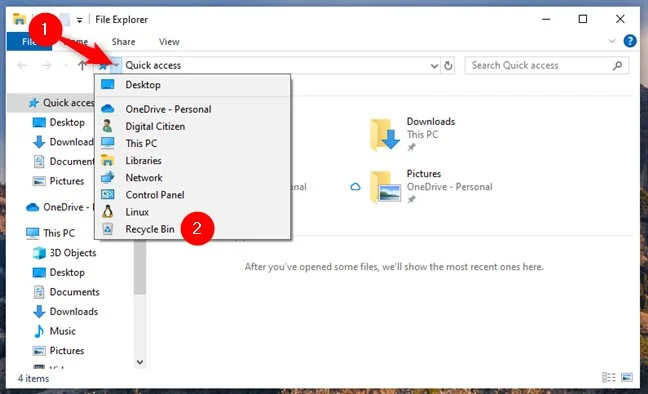
You can also open the Recycle Bin by clicking the first ">" (greater than) sign in File Explorer's address bar, then selecting Recycle Bin from the menu that appears. Here's how it works in Windows 10:
Use the > menu in Windows 10's File Explorer to open the Recycle Bin
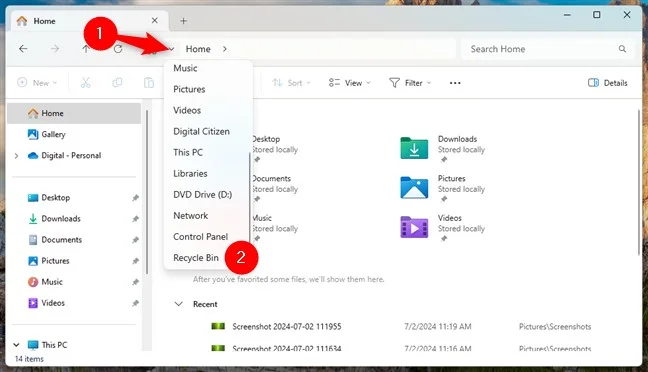
And here's how it looks in Windows 11:
Access the Recycle Bin in Windows 11 using File Explorer's > menu
In both operating systems, you have immediate access to the Recycle Bin.
7. How to add Recycle Bin to File Explorer
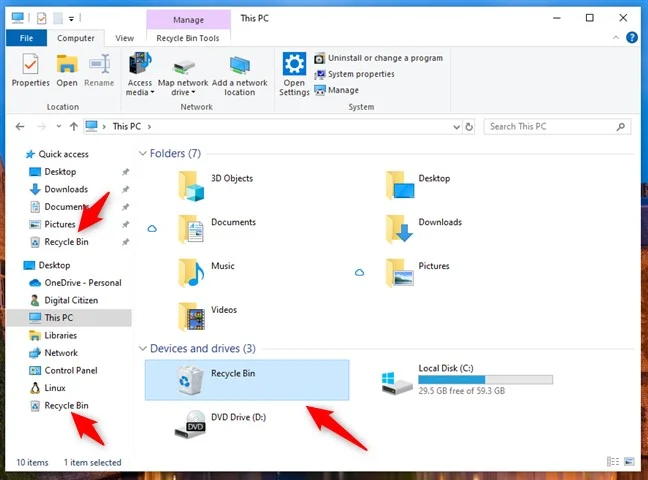
If you use File Explorer a lot, you might want a quicker way to open the Recycle Bin from there. Luckily, you can create a Recycle Bin shortcut in File Explorer's Quick access, add the Recycle Bin to your folder list, and even make the Recycle Bin show up as a drive in This PC .
Where you can add Recycle Bin to File Explorer
If any of that sounds good, check out our guide on how to add the Recycle Bin to File Explorer . If you follow the steps there, you'll have quick and easy access to the Recycle Bin from all the important parts of File Explorer.
8. What is the location of the Recycle Bin in File Explorer?
All the files you delete are listed in the main Recycle Bin folder, but each hard drive partition has a Recycle Bin. You can use this folder to access the Recycle Bin, but the process is more complicated.
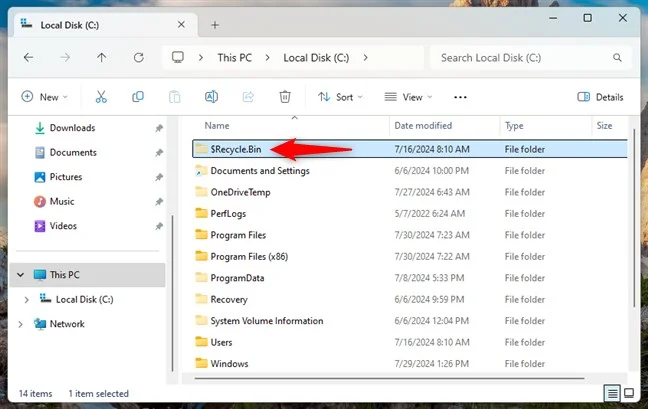
Regardless of whether you are using Windows 10 or Windows 11, make sure you see hidden and protected files on your computer and use File Explorer to go to This PC > C: . There you will find a folder named:
$Recycle.Bin
Path to $Recycle.Bin folder
Open the folder and you will see the Recycle Bin inside.
Recycle Bin folder location in File Explorer
NOTE : The Recycle Bin is displayed on all drives of the PC, not just on C:, so the path used could easily be This PC > D: or some other drive letter.
9. How to access Recycle Bin using Run window
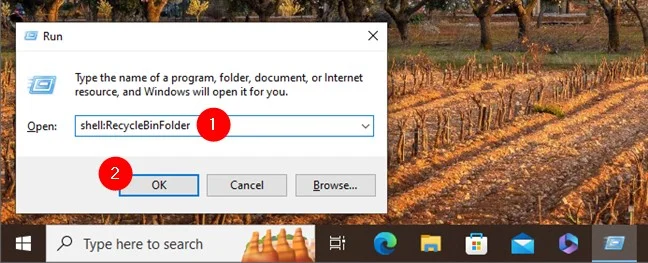
You can also use the Run window to access the Recycle Bin location. First, use the Win + R keyboard shortcut or another way to open Run . Then, insert the following command:
shell:RecycleBinFolder
Use the Run window to access the Recycle Bin in Windows
Finally, press Enter or click OK and the Recycle Bin will open immediately.
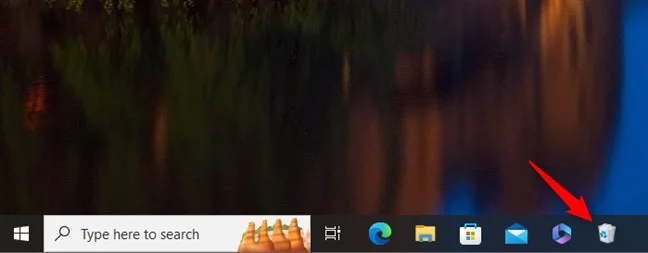
10. How to open Recycle Bin using Taskbar shortcut
You can also create a shortcut for the Recycle Bin and pin it to the Taskbar in both Windows 10 and Windows 11. The process is a bit complicated and will be explained in detail in How to pin apps to the Taskbar for faster opening .
Pin Recycle Bin to Taskbar
11. How to open Recycle Bin using CMD or PowerShell
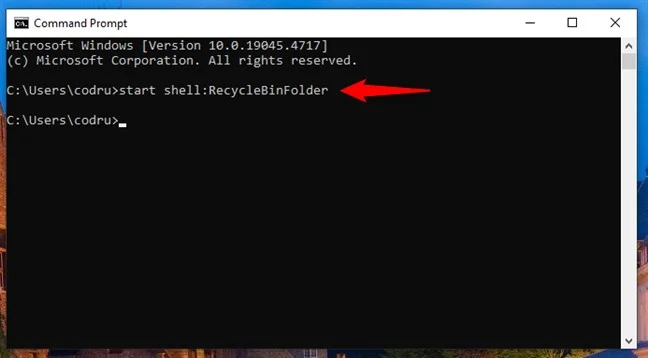
You can also launch PowerShell or Command Prompt , or even launch Windows Terminal if you prefer. In any of these command-line applications, type:
start shell:RecycleBinFolder
Open Recycle Bin with command
Press Enter on your keyboard and the Recycle Bin will open in File Explorer.
Windows Recycle Bin is a handy feature that makes file recovery easy. If the Recycle Bin icon is not on your desktop, you can still open it using the methods in this article. But if you still want to open the Recycle Bin from your desktop, there is still a way to restore it.