Imagine powering on your Windows 11 PC, only to be greeted by a blank Startup Settings screen that refuses to load your boot options. It's a common yet maddening issue that can halt your day, leaving you wondering why essential features like Safe Mode or UEFI settings won't appear. Don't worry—this Windows 11 "Startup Settings" blank error is fixable, and we're here to guide you through it with simple, effective solutions. By the end of this article, you'll have your system back up and running, feeling empowered and frustration-free. Let's dive in and reclaim your boot menu! 😊
What Causes the Windows 11 "Startup Settings" Blank Error?
Before we jump into fixes, understanding the root of the problem helps you prevent it in the future. The Startup Settings menu, accessible via the Advanced Startup Options, is crucial for troubleshooting boot issues, enabling Safe Mode, or tweaking UEFI firmware settings. When it shows up blank, it's often due to:
- Corrupted System Files: Essential Windows files might be damaged from abrupt shutdowns or malware.
- Update Glitches: Recent Windows updates can sometimes disrupt boot configurations.
- Hardware Conflicts: Faulty drivers or incompatible peripherals interfering with the boot process.
- Registry Errors: Misconfigured registry entries blocking the menu from loading properly.
These causes are backed by reports from Microsoft support forums and tech communities, where users frequently encounter this after system updates or crashes. The good news? Most fixes don't require advanced skills or reinstalling Windows. We'll start with the easiest methods and escalate as needed, ensuring you find relief quickly.
Quick Troubleshooting: First Steps to Try
Before diving deep, let's rule out simple issues. These initial steps often resolve the Startup Settings blank error without tools or restarts.
- Restart Your PC: A basic reboot can clear temporary glitches. Hold the power button for 10 seconds to force a shutdown, then restart normally. Test the Startup Settings again.
- Check for Pending Updates: Go to Settings > Windows Update and install any available updates. Microsoft often patches boot-related bugs in their latest releases.
- Disconnect Peripherals: Unplug all external devices (USB drives, printers) and boot up. Hardware conflicts are a sneaky culprit.
If these don't work, proceed to our detailed fixes. You'll be back in action soon—hang in there! 👍
Method 1: Run System File Checker (SFC) and DISM Scans
Corrupted files are a top reason for the Windows 11 Startup Settings blank error. Microsoft's built-in tools, SFC and DISM, can scan and repair them effortlessly. This method is safe and takes about 15-30 minutes.
Step-by-Step Guide:
- Open Command Prompt as Administrator: Press Win + S, type "cmd," right-click, and select Run as administrator.
- Run DISM First: Type
DISM /Online /Cleanup-Image /RestoreHealth and hit Enter. This repairs the Windows image (it might take 10-20 minutes and requires internet).
- Follow with SFC: Once DISM finishes, type
sfc /scannow and press Enter. Let it scan and fix any issues.
- Restart: Reboot your PC and access Startup Settings via Settings > System > Recovery > Advanced startup > Restart now.
Pro Tip: If you're offline, DISM might fail—connect to the internet or use a Windows installation media for repairs. This fix has helped countless users restore their boot menus, as noted in official Microsoft documentation.
Method 2: Boot into Safe Mode and Reset Startup Configurations
If the blank error persists, booting into Safe Mode bypasses the issue temporarily to make changes. Safe Mode loads minimal drivers, making it ideal for tweaks.
How to Access Safe Mode Despite the Error:
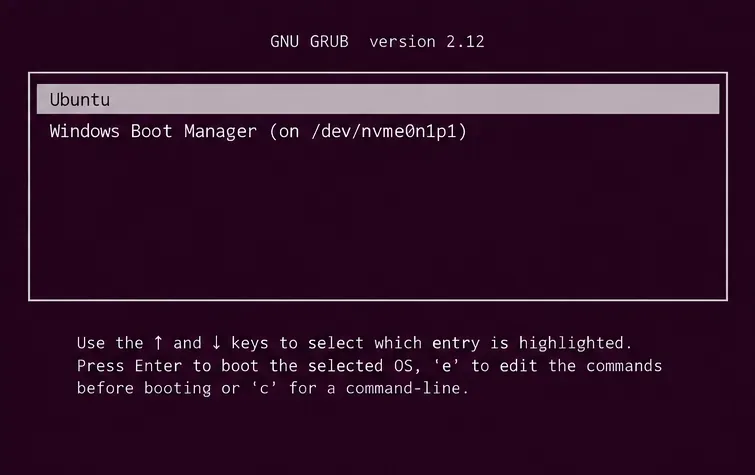
- Force Interrupt Boot: Restart your PC three times in a row by holding the power button during startup. This triggers the Automatic Repair screen.
- Navigate to Troubleshoot: Select Troubleshoot > Advanced options > Startup Settings > Restart. If it's blank here, use the next method.
- In Safe Mode: Once in, open msconfig (type it in the search bar). Go to the Boot tab, check Safe boot, and apply. Restart normally afterward.
- Reset Configurations: In Safe Mode, run
bcdedit /enum in admin Command Prompt to check boot entries. If corrupted, reset with bcdedit /set {default} safeboot minimal, then revert after fixes.
After exiting Safe Mode, your Startup Settings should populate correctly. This approach is especially useful for driver-related blanks.
Method 3: Use Windows Recovery Environment (WinRE) for Deeper Repairs
For stubborn cases, the Windows Recovery Environment offers powerful tools without needing the full OS. This is where things get a bit more technical, but we'll keep it straightforward.
Steps to Repair via WinRE:
| Step |
Action |
Expected Outcome |
| 1. Enter WinRE |
Interrupt boot 3x or use installation media: Boot from USB, select Repair your computer. |
Access to Advanced Options menu. |
| 2. Command Prompt Repair |
Select Troubleshoot > Command Prompt. Run chkdsk C: /f /r to fix disk errors, then bootrec /fixmbr, bootrec /fixboot, and bootrec /rebuildbcd. |
Rebuilds boot configuration data (BCD). |
| 3. Startup Repair |
From Advanced Options, choose Startup Repair and let it run. |
Automatically detects and fixes boot issues. |
| 4. Exit and Test |
Restart and check Startup Settings. |
Blank error resolved; menu loads fully. |
These commands rebuild the Master Boot Record (MBR) and BCD, directly targeting the Startup Settings blank error. If you lack installation media, create one using Microsoft's Media Creation Tool on another PC—it's free and straightforward.
![Windows Recovery Environment interface showing boot repair options for Startup Settings fix]()
Method 4: Registry Tweaks and Third-Party Tools (Advanced Users Only)
If the above fails, a registry edit might be needed, but proceed with caution—back up your registry first! For the Windows 11 Startup Settings issue, corrupted keys in HKEY_LOCAL_MACHINE\SYSTEM\CurrentControlSet can cause blanks.
- Backup Registry: Open regedit (admin), go to File > Export.
- Edit Key: Navigate to HKEY_LOCAL_MACHINE\SYSTEM\CurrentControlSet\Control\SafeBoot. Delete any invalid Minimal or Network entries if present.
- Rebuild BCD Again: Use bootrec commands from WinRE as in Method 3.
For extra help, consider trusted tools like EaseUS Partition Master for boot repairs (free version available). Always download from official sites to avoid malware. This method restores full functionality for even the trickiest errors.
Preventing the "Startup Settings" Blank Error in the Future
Now that you've fixed it, let's keep it from returning. Regular maintenance is key:
- Enable Automatic Updates: Stay current with patches that address boot vulnerabilities.
- Run Monthly Scans: Use Windows Security for malware checks and Disk Cleanup for junk files.
- Update Drivers: Via Device Manager or tools like Snappy Driver Installer.
- Backup Boot Settings: Create a system restore point before major changes.
By following these, your Windows 11 experience will be smoother and more reliable. If issues persist, consider professional help or Microsoft's support.
Final Thoughts: You've Got This!
Congratulations on tackling the Windows 11 "Startup Settings" blank error! With these steps, most users see immediate results, turning a headache into a quick win. Remember, technology glitches happen, but you're now equipped to handle them like a pro. If this guide helped, share it with a friend facing the same issue—your support could save their day! For more Windows tips, stick around and explore our related articles on boot optimization and system tweaks. Happy computing! 🎉