Home
» PC Tips
»
8 Ways to Open Advanced Startup Options on Windows 10
8 Ways to Open Advanced Startup Options on Windows 10
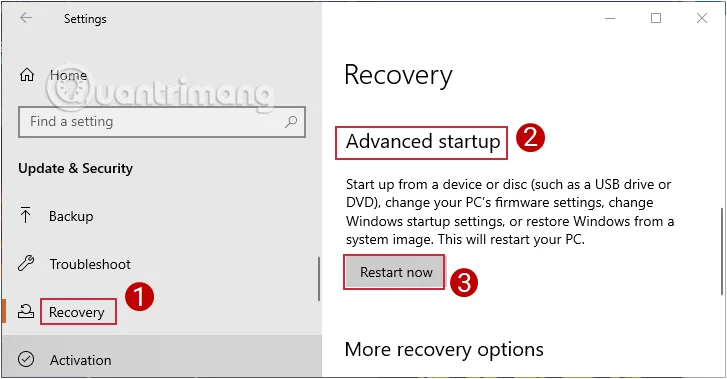
The Advanced Startup Options on Windows 10 allows users to access available Startup settings and recovery options.
By navigating to Advanced Startup Options, you can reset Windows 10, restore Windows 10, restore Windows 10 from an image file you created earlier, fix startup errors, open Command Prompt to perform various options, open UEFI settings, change Startup settings...
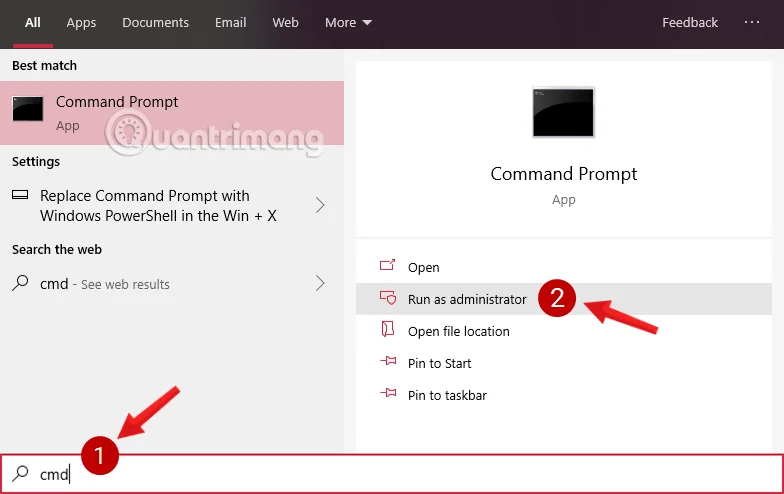
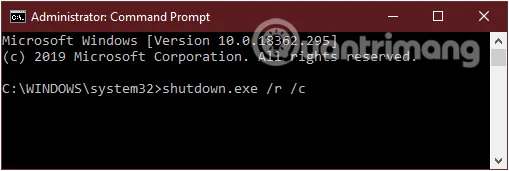
Step 2: On the Command Prompt window , type the command below and press Enter:
shutdown.exe /r /o
Enter the command into the Command Prompt window
You will see a notification appear saying you are signing out, close the notification and wait a moment, Windows 10 will reboot into the Advanced Startup Options menu you need.
3. Open Advanced Startup Options from Windows 10 Desktop
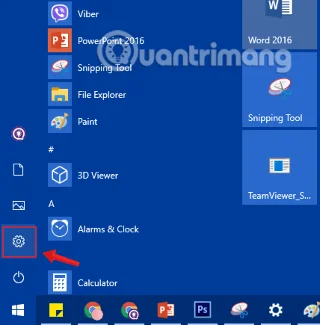
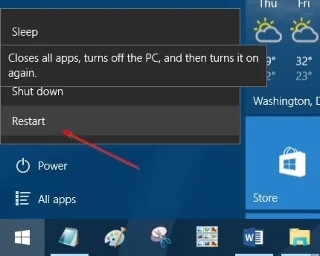
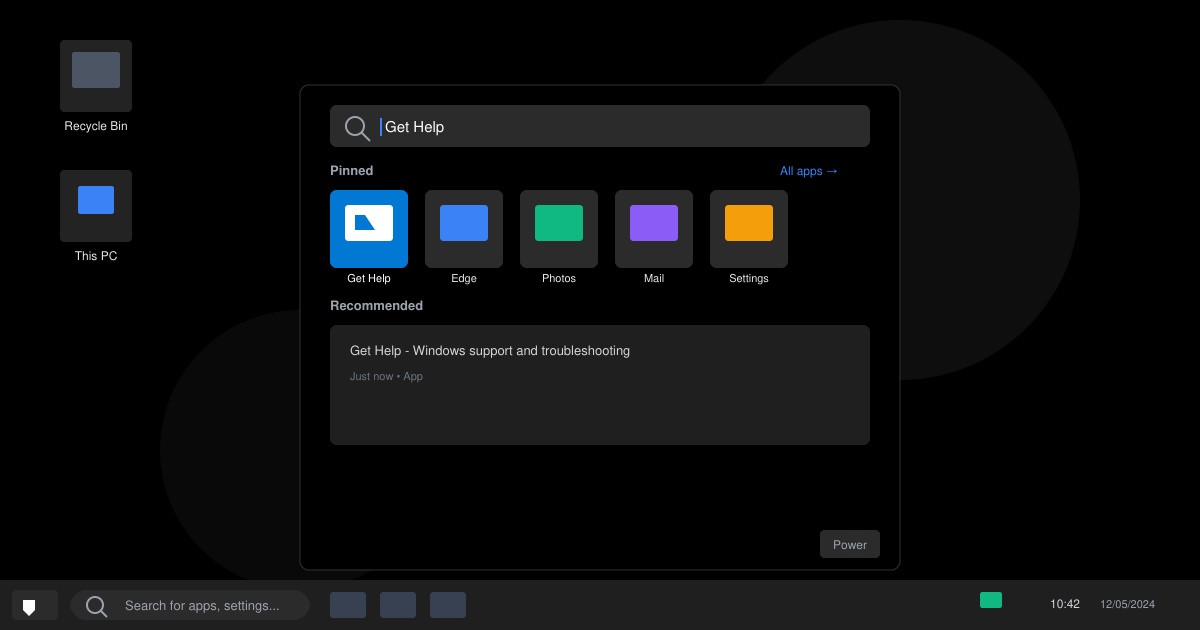
Step 1: Open Start Menu, then click the Power button.
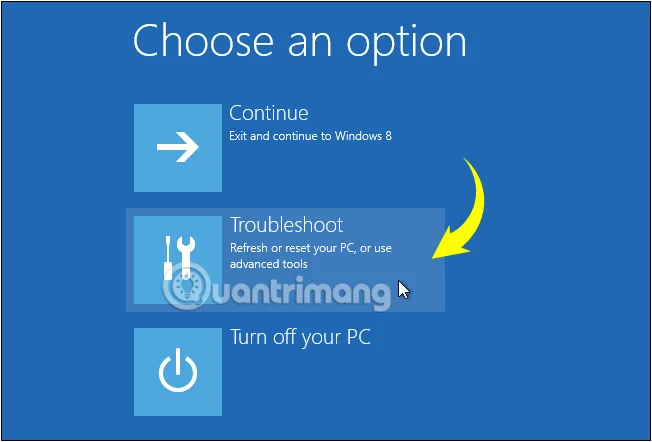
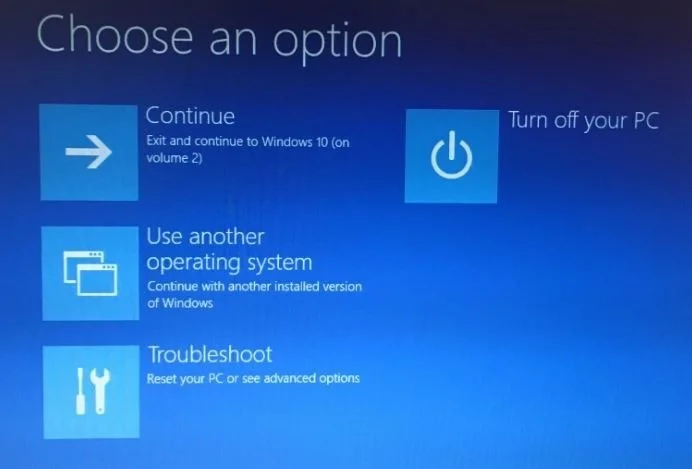
Step 2: Press and hold the Shift key , then click Restart to restart your computer. You will now see the Choose an options screen.
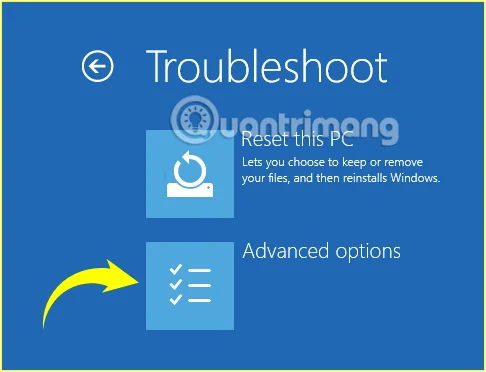
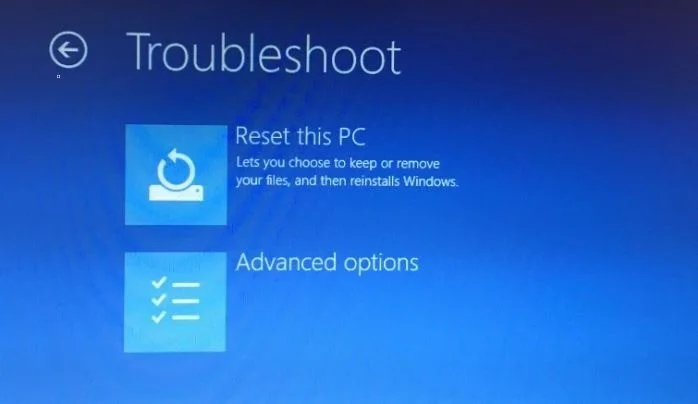
Step 3: On the Choose an option screen, click Troubleshoot to open the Troubleshoot screen, where you click Advanced options to access Advanced Startup Options.
4. Open Advanced Startup Options from the login screen
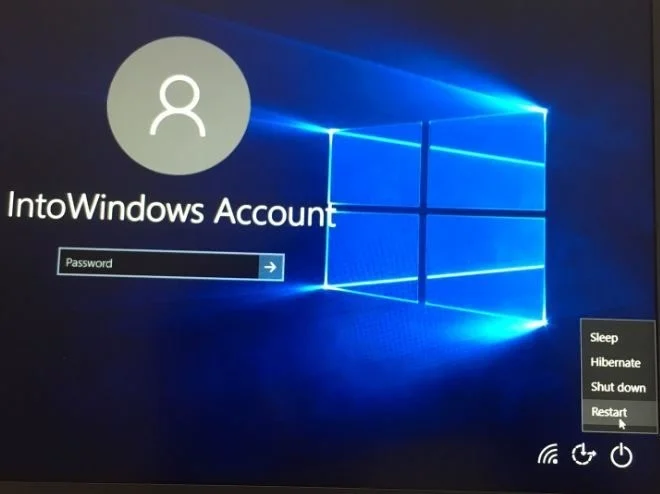
Step 1: On the login screen, click the Power button , press and hold the Shift key , then click the Restart option .
Step 2: Next on the Choose an option screen , click Troubleshoot then click Advanced options to access Advanced Startup Options.
5. Open Advanced Startup Option from Boot Menu
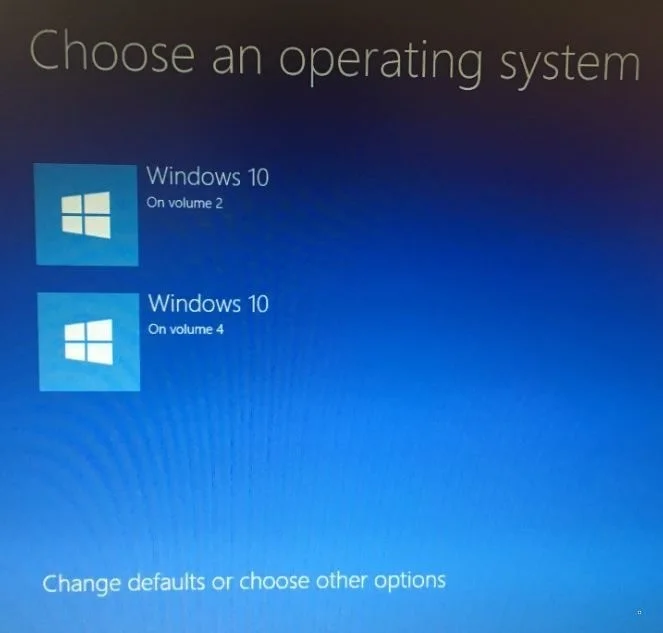
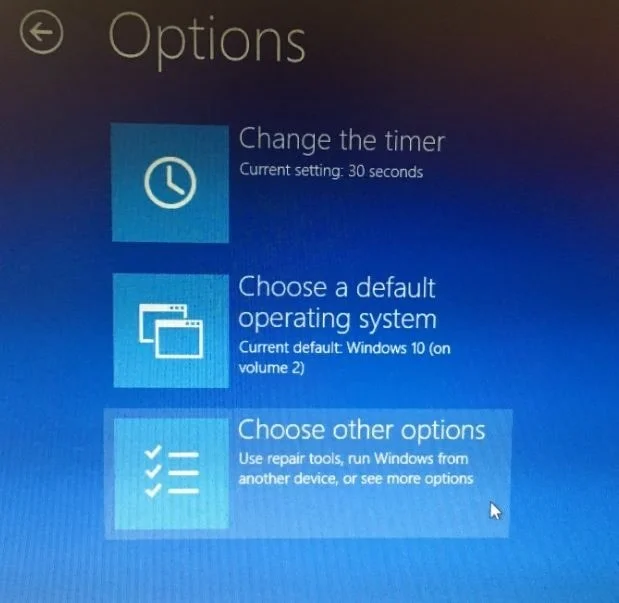
Step 1: Turn on your computer or restart your computer. When you see the Choose an operating system screen, click on the Change defaults or choose other options option .
Step 2: Next on the Options screen, click on the Choose other options option .
Step 3: Next you will see the Choose an option screen. Here you click Troubleshoot.
Step 4: Finally, on the Troubleshoot screen, click Advanced options to open Advanced Startup Options.
6. Go to Advanced Startup Options from Windows 10 installation media
Step 1: Insert the DVD or USB containing the Windows installation files on it into your computer.
You can borrow a Windows 10 installation disc (or other media) from someone you know if you need it. You won't be installing or reinstalling Windows, just accessing Advanced Startup Options, so no product key or license is needed.
Step 2: Boot from installation disc or USB device.
Step 3: Select Next from the Windows Setup screen .
Step 4: Select Repair your computer at the bottom of the window.
Step 5: Advanced Startup Options will launch, almost immediately.
7. Boot into Advanced Startup Options from the Windows 10 recovery drive
Step 1: Insert the Windows 10 recovery drive into an available USB port.
Don't worry if you've never created a recovery drive before. If you have another computer with the same version of Windows or can borrow a friend's Windows 10 computer, see: How to create a Windows 10 recovery drive for instructions.
Step 2: Boot the computer from USB.
Step 3: On the Choose your keyboard layout screen , select US or whatever keyboard layout you want to use.
Step 4: Advanced Startup Options will start immediately.
8. Access Advanced Startup using Automatic Repair
If Windows 10 won't boot on your device and you don't have the operating system installation files, you can follow these steps:
Step 1: Press the power button.
Step 2: Immediately after the Power-On Self-Test (POST), when you see the blue Windows logo, press the power button again to turn off the computer.
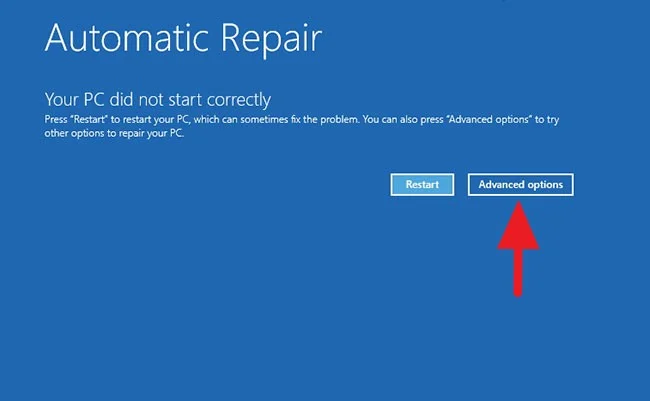
Step 3: Repeat steps 1 and 2 twice. On the third reboot, the operating system will enter the Windows Recovery Environment (Windows RE), where it will perform some diagnostics to try to fix any startup issues, but you will also see an option to access Windows Startup Settings .
Go to Automatic Repair
Step 4: Select your account and enter the corresponding password.
Step 5: Click the Continue button.
Step 6: Click the Advanced startup button to continue.
Click the Advanced startup button to continue.
Once you complete the steps, Windows 10 will open the Advanced startup environment.