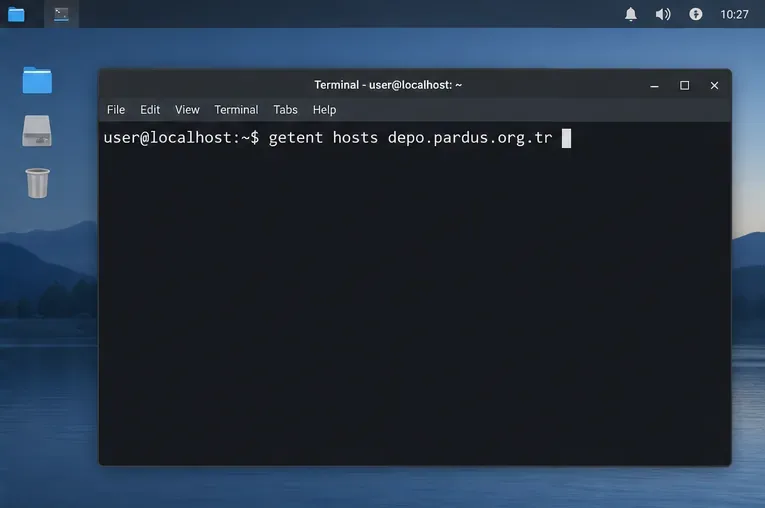

Set Up Secure RDP Access to a Pardus Xfce Desktop

Install and configure xrdp on Pardus, choose the right Xfce session, restrict network access, and verify that remote login works.
Suppose when you are typing text, suddenly the keyboard on your Windows 10 computer does not work, cannot type, type but the menu appears. Even though you have applied all methods, you seem helpless. Then you can apply some of the solutions below to fix keyboard errors on Windows 10.
Solutions to fix Windows 10 keyboard errors
As mentioned above, the Filter Keys feature has a known bug that causes problems with the keyboard. You can simply disable Filter Keys by following the steps below and potentially restore your keyboard within minutes.
Step 1 : Press Windows + R keys on the virtual keyboard to bring up the Run utility, then type “control” and click the OK button. This will open the Control Panel .
Step 2 : Make sure your view is set to Category.

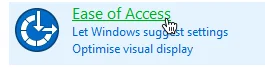
Step 3 : Next, click on the Ease of Access heading .
Step 4 : Click on the "Change how your keyboard works" link found in the Ease of Access Center .
Step 5 : Make sure the checkbox next to “Turn on Filter Keys” is empty. If you see a checkmark, simply click on it to remove it.
Step 6 : Click the Apply button , then press OK. Now, you will be able to test if your keyboard is working as intended.
* Additional information:
Filter Keys is an accessibility option in Windows 10 designed for people who find it difficult to press and hold multiple keys at once. It adjusts the keyboard's response and ignores repeated keystrokes due to inaccurate or slow finger movements. Filter Keys can also slow down the rate at which a key repeats when you hold down a key.
Filter Keys is different from Sticky Keys and Toggle Keys, which are also part of Windows accessibility options. Sticky Keys is designed for people who can't hold down two or more keys at the same time. For example, if you need to use a shortcut that requires a combination of two or more keys, Sticky Keys lets you press one key at a time instead of pressing multiple keys at once.
Toggle Keys, on the other hand, is an accessibility feature designed for people with cognitive disabilities or visual impairments. When Toggle Keys is enabled, Windows will emit audible signals when you press the NUM, CAPS, and SCROLL Lock keys.
You can turn on Filter Keys through Ease of Access Center or Accessibility Options in Control Panel. Alternatively, you can turn on Filter Keys by pressing and holding the Shift key on the right side of the keyboard for 8 seconds.
Filter Keys are associated with the following default settings:
There may be times when the Power Management settings disable the wireless adapter, causing it to temporarily disconnect. You can easily fix this by making a small adjustment.
Step 1 : Press Windows + X keys on your keyboard and click on Device Manager option from the menu.
Step 2 : Expand the Universal Serial Bus controllers menu by clicking the arrow next to it.
Step 3 : Double-click on the USB that the keyboard is connected to (usually USB Root Hub or Generic USB Hub ), then switch to the Power Management tab in the new window.
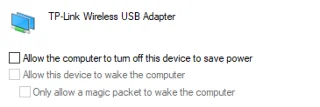
Step 4 : Uncheck the box next to “Allow the computer to turn off this device to save power” , then click OK.
Step 5 : Restart your device and see if you still have the same problem with the keyboard.
Windows 10 comes with a number of built-in troubleshooters that allow you to diagnose and fix specific problems. Fortunately, there is a troubleshooter specifically designed to detect keyboard-related errors. Your system may be able to fix this automatically.
Here's how you can run the keyboard troubleshooter on Windows 10.
Step 1 : Click the Windows icon on the taskbar and select Settings.
Step 2 : Search for “Fix keyboard” using the built-in search function in the Settings app , then click “Find and fix keyboard problems” .
Step 3 : Click the Next button to start the troubleshooter. You will see that Windows is detecting problems.
Step 4 : If any issues have been successfully identified, you can follow the on-screen instructions to attempt an automatic fix.
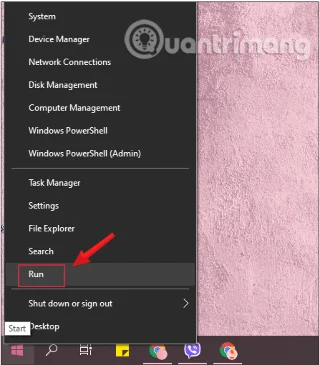
Step 1: To update the keyboard driver using the on-screen keyboard, first right-click the Start button in the bottom left corner and then click Run .
See more on how to open the virtual keyboard on Windows 10 .
Step 2: Now the Run command window appears on the screen , here you enter the following command using the virtual keyboard and then click OK.
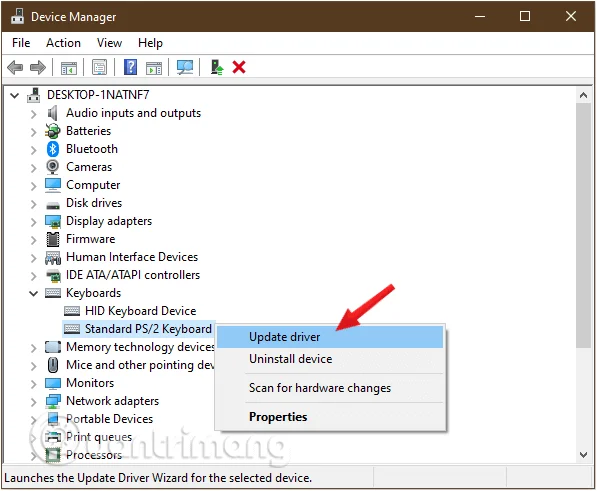
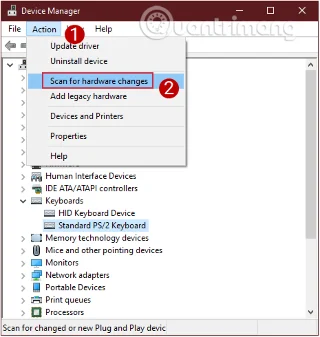
devmgmt.mscStep 3: The Device Manager window appears on the screen . Here you find the option named Keyboards and expand Keyboards by clicking on the down arrow. Right-click on the Keyboard you use, select the Update Driver option.
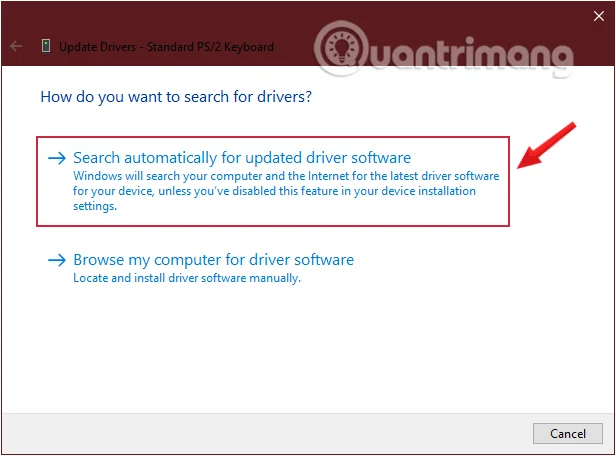
Step 4: If the driver is ready to install, you can find and choose to update it immediately, or if it is not available, you can ask Windows to find the driver for you by clicking the Search automatically for updated driver software option and completing the update process .
Once the process is finished, close the device manager window and restart your PC.
If it still doesn't fix it, continue with the following steps:
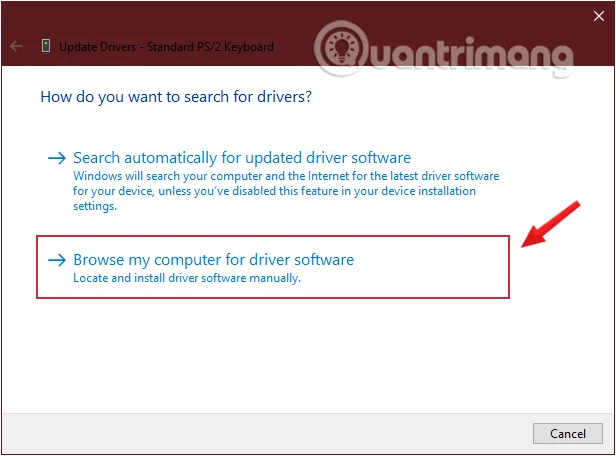
Step 5: Select the second option Browse my computer for driver software .
Step 6: Click Let me pick from a list of device drivers on my computer.
Step 7: Select the appropriate driver from the list and click Next.
Step 8: Once the process is finished, close the device manager window and restart your PC.
Step 9: Or alternatively, click on the Action tab, from the dropdown menu, click on the Scan for hardware changes option .
Step 1: First, we will open the Windows Settings window interface by clicking on the Start menu and then clicking on the gear icon .
Or you can use the key combination Windows+ I.
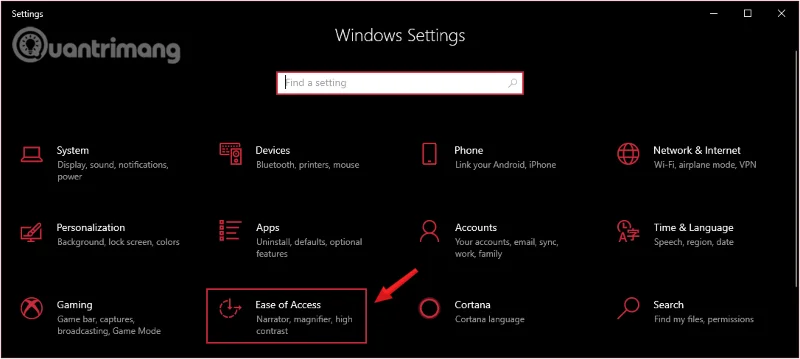
Step 2: In the Windows Settings interface , continue to click on Ease of Access to set up changes.
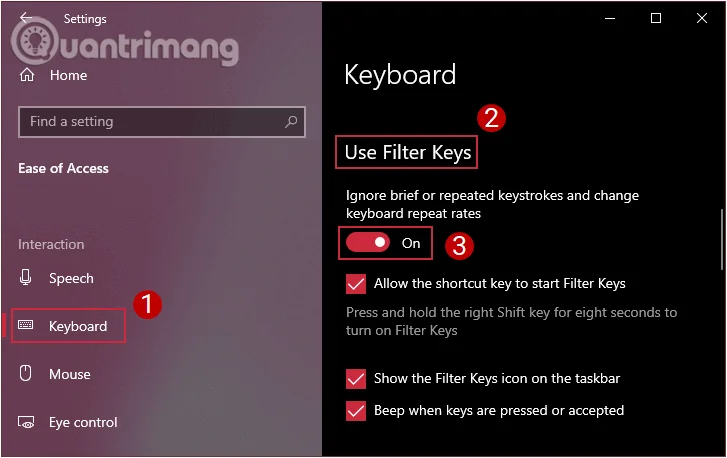
Step 3: Under Ease of Access , click on Keyboard from the left pane of the window.
In the right pane, you find the option named Use Filter Keys . Next, switch the slider button for the option Ignore or slow down brief or repeated keystrokes and adjust keyboard repeat rates to OFF.
Step 4: Next, scroll down, still in the Filter Keys section, uncheck the Show the Filter Keys icon on the taskbar option.
Note: You can still use the virtual keyboard until the error is fixed.
Some users say that pressing the Windows+ key combination Space(shortcut) improves the situation, you can try it.
In addition, there is another shortcut key Shift + Esc (or the key with the lock symbol on the keyboard) that is also said to work in this case. Try pressing it and see.
If the keyboard is still recognized by the computer, but the letters cannot be typed, especially often happens with laptops, for example, you press the letter a but it opens a menu instead of showing the letter a, then think about the case of a stuck key. Use your hand to press and drag a series of keys from one end to the other, in turn until all the rows of keys are finished and try again.
Step 1: Open Control Panel .
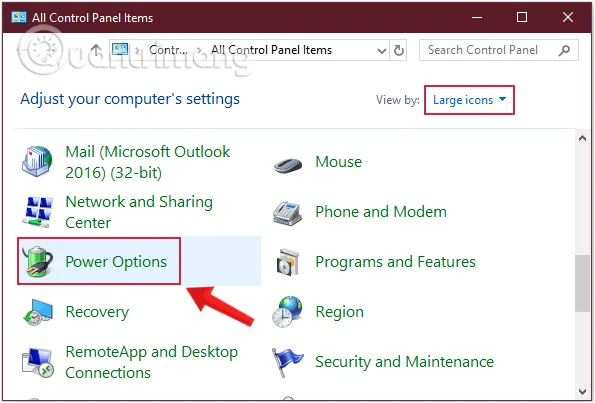
Step 2: In the View by section in the upper right corner, select Large icons and then click Power Options .
Step 2: In the Power Options interface that opens, click on the Choose what the power buttons do setting in the list on the left of the interface.
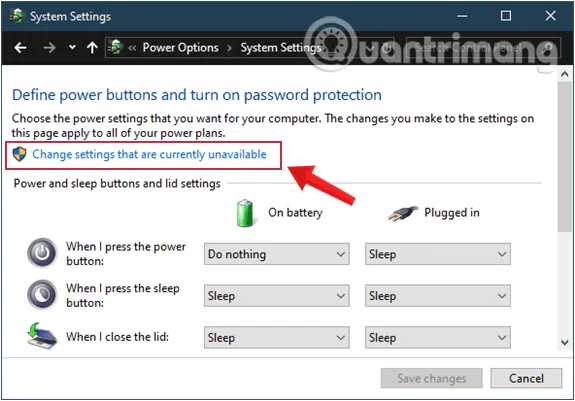
Step 3: At the Edit plan settings interface , click on the Change settings that are currently unavailable link .
Step 4: Uncheck Turn on fast startup, then click Save changes to save the new changes.
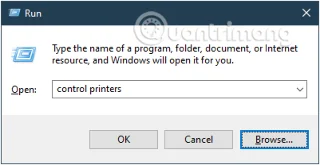
Step 1: Open the Run command window by pressing the Windows+ key combination R.
Step 2: Here you enter the following command (using the virtual keyboard) and then click OK.
control printersStep 3: Here you right-click on Keyboard/Mouse and select Properties.
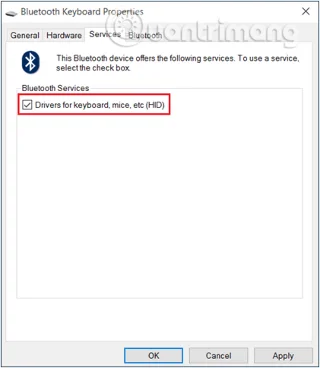
Step 4: In the next window that appears, select the Services tab and check the box Drivers for keyboard, mice, etc (HID).
Step 5: Click Apply then OK and restart your PC to save the changes.
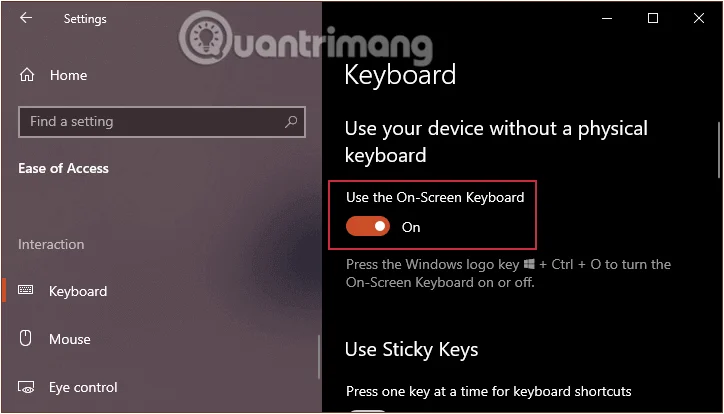
Step 1: On Windows 10, navigate to Settings > Ease of Access > Keyboard.
Next in the right pane, toggle the Turns on the On-Screen Keyboard option to ON.
Step 2: Now the virtual keyboard will open and you can use it like a normal keyboard.
In addition, you can refer to more details on how to open the virtual keyboard on Windows 10 here .
See more articles below:
Good luck!
Install and configure xrdp on Pardus, choose the right Xfce session, restrict network access, and verify that remote login works.
Diagnose Pardus 23 APT connection failures, confirm the official yirmiuc sources, and restore apt update without bypassing package signature checks.
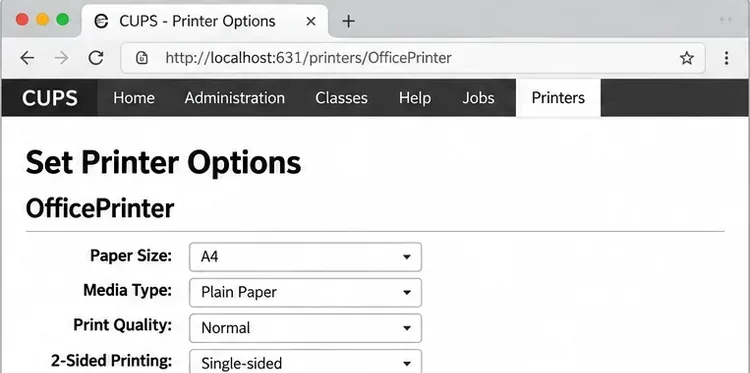
Configure printers on Harmonica OS using CUPS, compare driverless IPP with legacy drivers, and verify USB or network printing with a test page.
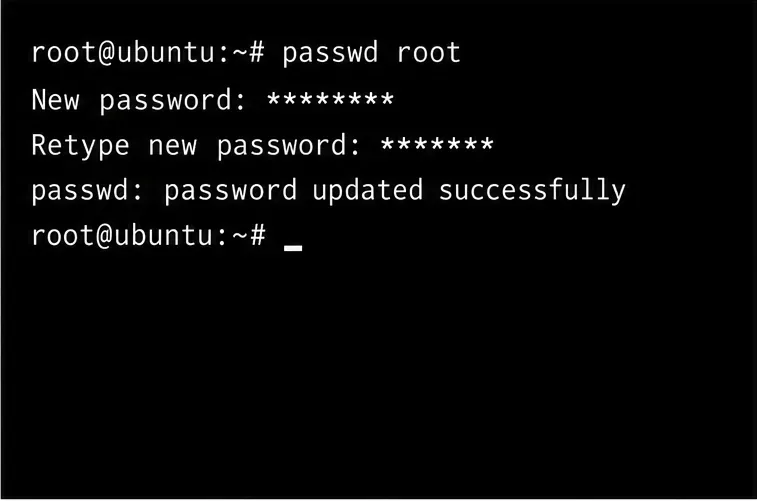
Use a recovery shell to set a new Harmonica OS root password, with checks for encrypted disks, read-only filesystems, and accounts that use sudo.
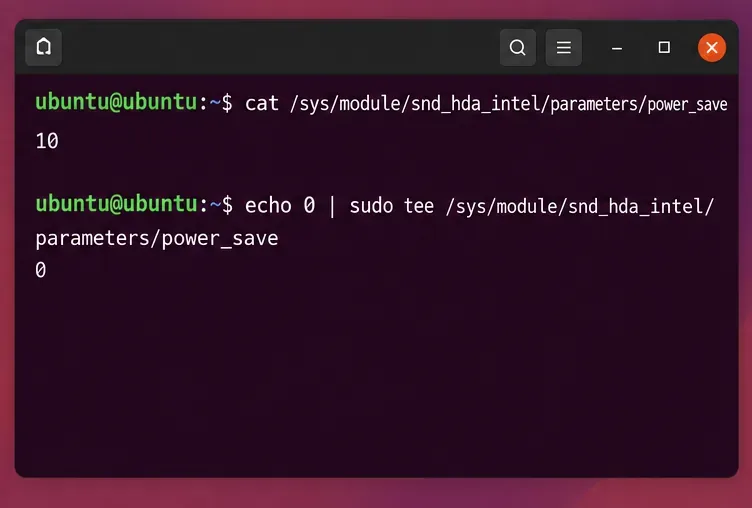
Trace whether clipping, ALSA format conversion, or HDA power saving is causing Ubuntu 24.04 audio distortion, then apply the matching reversible fix.
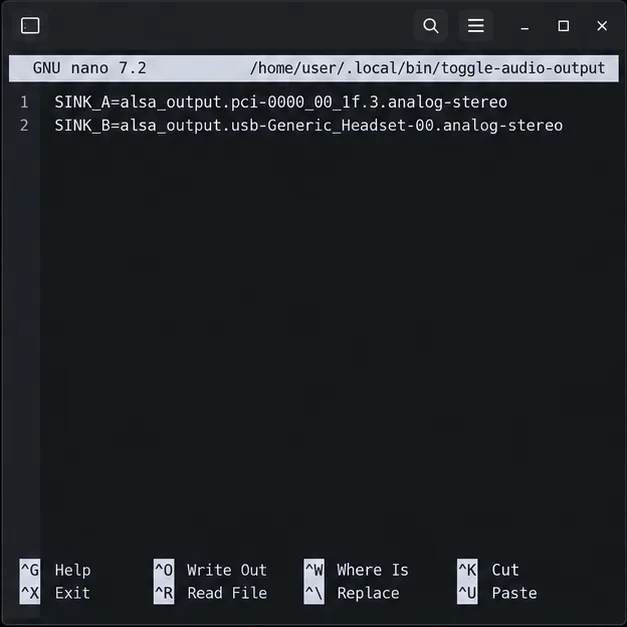
Switch Debian audio between named PipeWire outputs with a pactl script that updates the default sink and reroutes streams already playing.
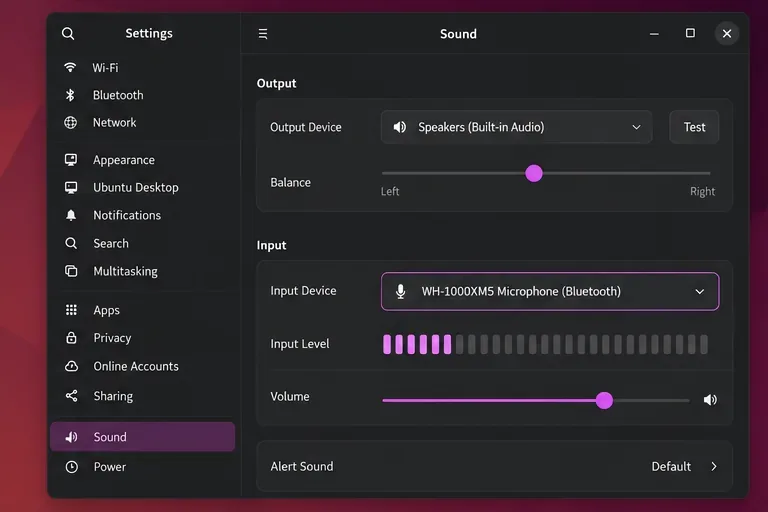
Get your Bluetooth headset mic working by selecting the right input, using a hands-free audio profile, and checking Ubuntu’s PipeWire route.
Learn why Flatpak apps may ignore Ubuntu 24.04 GTK themes and follow safe steps to check theme extensions, refresh Flatpak apps, and diagnose portal issues.
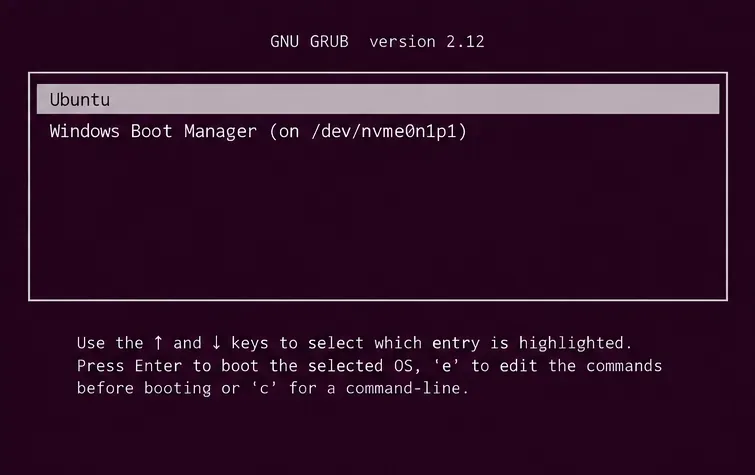
Install Ubuntu 24.04 alongside Windows 11 with BitLocker safely. Compare separate-drive and shared-drive paths, recovery keys, partitioning, and boot checks.
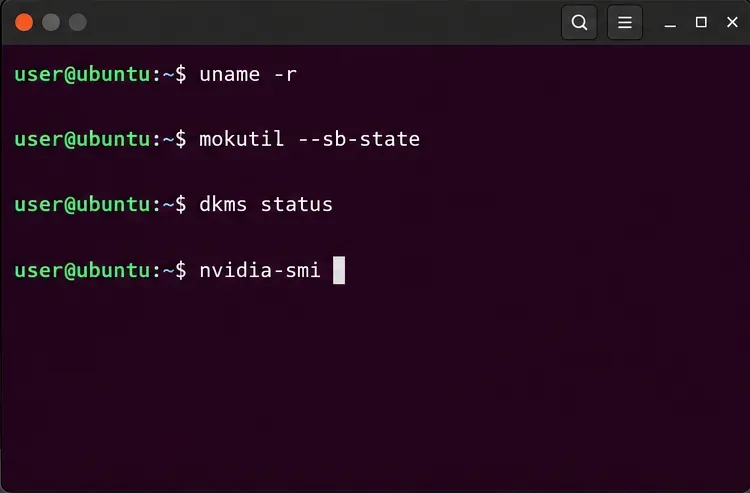
Diagnose NVIDIA driver failures after an Ubuntu kernel update. Check DKMS and Secure Boot, rebuild the matching module, enroll a MOK, and verify the fix.