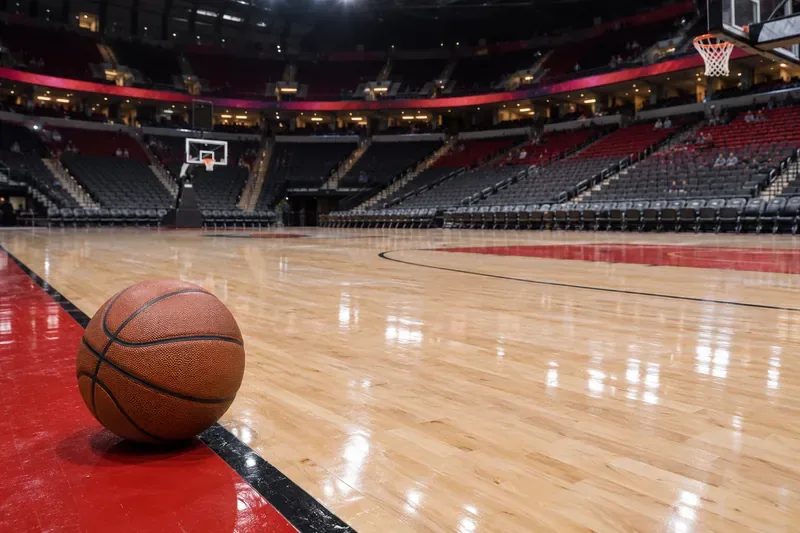
Trail Blazers vs Warriors: Portland Wins 116–94 — Score and Replay Guide, Updated 5:14 p.m. AEDT
Portland beat Golden State 116–94 in the NBA Cup. Find the official final score, box score, play-by-play and Australian replay options.
Guidance checked: November 28, 2026, 1:09 p.m. Indochina Time (UTC+7; Bangkok), or 6:09 a.m. UTC.
Hot weather can do more than make a day uncomfortable: it can cause dehydration, heat exhaustion, heatstroke, and worsen existing health problems. The most useful protections are simple—reduce time in the heat, keep your body and home cooler, drink regularly, and act quickly if warning signs appear. In Australia, call Triple Zero (000) for suspected heatstroke or another life-threatening emergency.
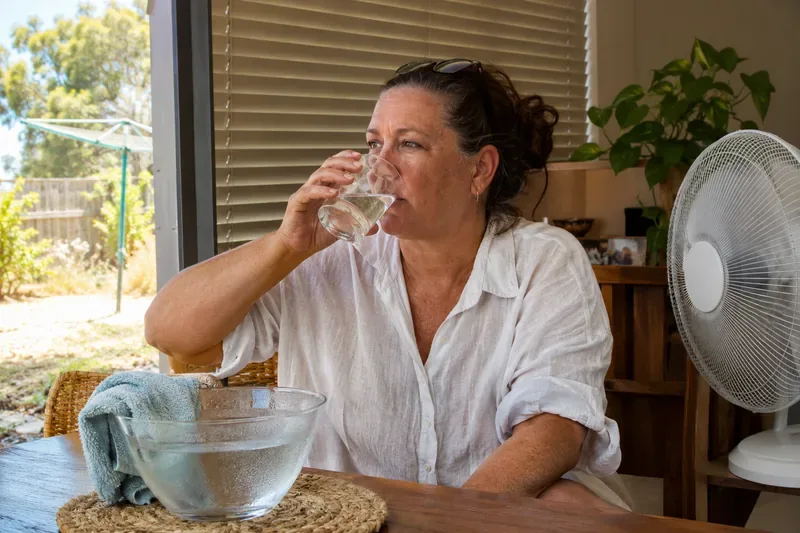
Check the Bureau of Meteorology’s Heatwave Service for conditions in your area, then check advice from your state or territory health and emergency services. Heat risk varies by location and across consecutive hot days, so use the warning for your own area rather than assuming one temperature threshold applies everywhere.
Before the hottest period, make a short plan: identify a cool place you can reach, confirm that fans or air conditioning work, keep drinking water and essential supplies handy, and arrange a check-in with someone you trust. A library, shopping center, community center, or another air-conditioned public place may offer relief if your home becomes too hot. If you rely on powered medical equipment or cooling, ask your local authorities or health provider about options for an outage.
When possible, stay indoors or in shade during the hottest part of the day and move strenuous work, exercise, and errands to cooler morning or evening hours. Take regular breaks in a cool place instead of trying to push through. If you must be outside, wear loose, light-colored clothing, a broad-brimmed hat, and sunscreen; seek shade and carry water. Sun protection helps prevent sunburn, while shade and rest also reduce direct heat exposure.
At home, close curtains or blinds on sun-facing windows during the day. Use air conditioning if available; healthdirect advises setting it below 26°C on hot days. A fan can help with comfort, and a cool shower, bath, damp cloth, or cool water on the skin can help lower body heat. If indoor temperatures remain uncomfortable, relocate to a cooler space rather than relying on a fan alone.
Drink water regularly, including before you feel very thirsty, and keep a bottle within reach when you go out. Do not wait until you feel unwell to start cooling down and drinking. Limit alcohol and avoid excess caffeine, which can make it harder to manage heat for some people. Follow medical advice if you have been told to restrict fluids; ask your doctor or pharmacist ahead of hot weather how to balance your condition, medicines, and hydration.
Do not stop or change prescribed medicines on your own. Some medicines and health conditions can affect how the body responds to heat, and some medicines need particular storage conditions. Ask your doctor or pharmacist whether your medicines affect heat risk and how to store them; follow the product label, and do not put medicine in the refrigerator unless the label or a health professional says to.
Heat can affect anyone, but older adults, babies and young children, pregnant people, people with chronic or acute health conditions, people taking certain medicines, outdoor workers, and people living alone or without reliable cooling may face higher risk. Check in by phone or in person with relatives, neighbors, and friends who may need help. Offer practical support, such as water, transport to a cooler place, or help contacting a clinician.
For babies under 6 months, healthdirect recommends extra breastfeeds or formula feeds in hot weather. Never leave a child or pet in a parked car, even briefly. Cars can heat rapidly, and a cracked window does not make this safe. If you find a child or animal in distress in a vehicle, contact emergency services immediately.
Heat exhaustion can include heavy sweating, thirst, headache, dizziness, weakness, nausea, faintness, or muscle cramps. Stop activity, move to a cool or shaded place, loosen clothing, wet the skin or clothing with cool water, and sip water if the person is alert and able to swallow. If symptoms are severe, worsen, or do not improve promptly with cooling and rehydration, seek urgent medical help; healthdirect advises calling 000 if someone is very unwell and does not respond within 10 minutes.
Heatstroke is a life-threatening emergency. Warning signs can include confusion, unusual behavior, poor coordination, slurred speech, seizures, collapse, or loss of consciousness, sometimes with very hot skin. Call Triple Zero (000) immediately. Move the person to a cool or shaded place, remove extra clothing, and start active cooling with cool water, wet cloths, or a cool shower if safe; fan continuously. Give cool drinks only if the person is fully conscious and can swallow. Do not give paracetamol, aspirin, or ibuprofen to treat heatstroke; these medicines do not lower heatstroke-related body temperature.
Keep monitoring local warnings and how people around you are feeling, because hot conditions can persist into the evening or across several days. Continue to cool down, rehydrate according to your health needs, and check on anyone who was exposed to heat. If you are unsure whether symptoms are serious, contact a health professional; for suspected heatstroke or immediate danger in Australia, call 000.
Yes. Call Triple Zero (000) immediately, begin cooling the person, and follow the dispatcher’s instructions.
No. Drink water regularly in hot weather. If you have a fluid restriction, ask your doctor what is safe for you.
No. Never leave a child in a parked car, even briefly. Take them with you.
Sources: healthdirect: Hot weather risks and staying cool; healthdirect: Heatstroke; NSW Health: Plan ahead to beat the heat; Better Health Channel: Heat-related health problems; Bureau of Meteorology: Heatwave Service.
Portland beat Golden State 116–94 in the NBA Cup. Find the official final score, box score, play-by-play and Australian replay options.

The Spurs beat the Lakers 99–96 in San Antonio. See where to track NBA scores, box scores, game updates, and Australian tipoff times.
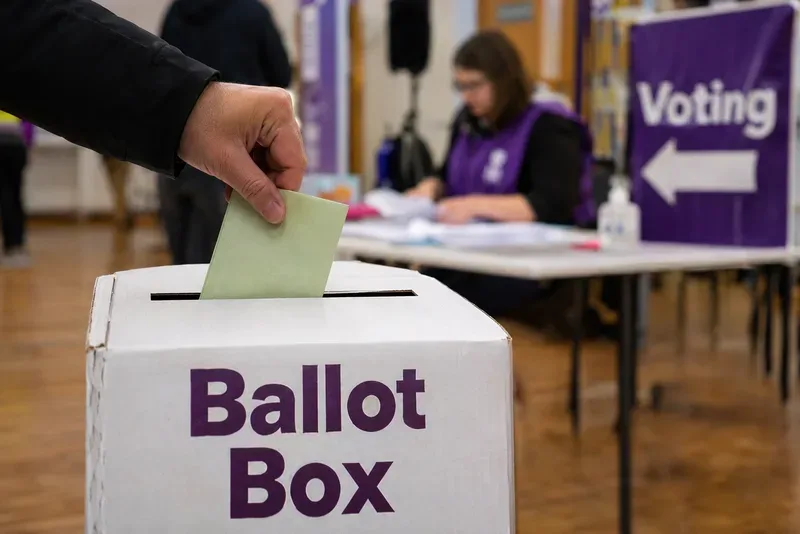
Find the latest Victoria election count on the VEC website and ABC tracker, understand preferences and seat totals, and check the 2026 declaration timeline.

Seattle hosts Edmonton at 7 p.m. PST after Kaapo Kakko’s late two-goal surge gave the Kraken a 4–2 win. Canadian start times, storylines and lineup notes.
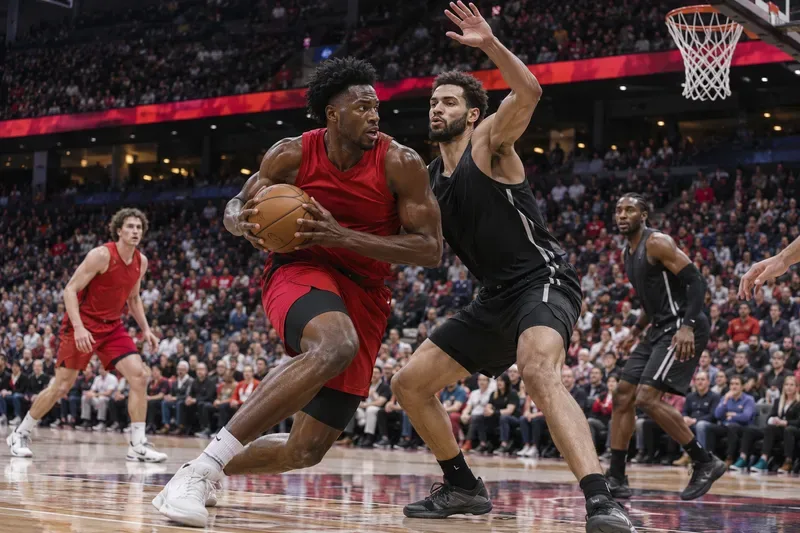
Toronto beat Brooklyn 124-100 in the NBA Cup group-stage finale. See Scottie Barnes’ 34 points, Immanuel Quickley’s triple-double and what’s next.
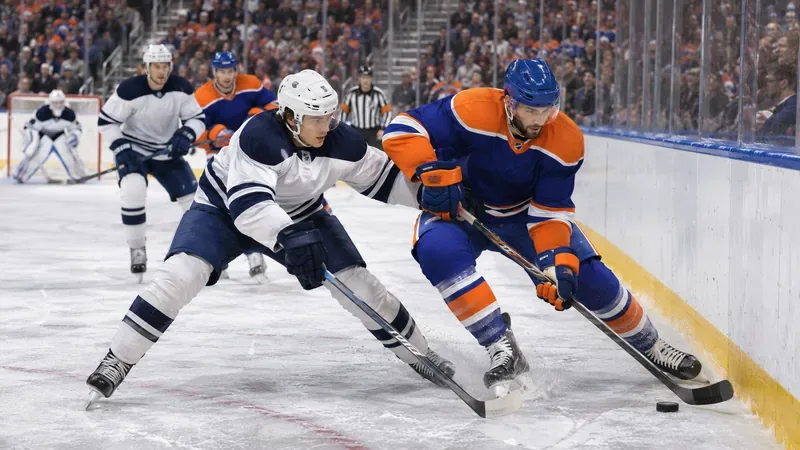
Kyle Connor scored twice as Winnipeg beat New York 3–1. See the pregame context, scoring turns, goalie performances and what the result means.
Comprehensive preview of Golden State Warriors vs. Portland Trail Blazers: tactical breakdowns, key matchups, rebounding battles, and what to watch.
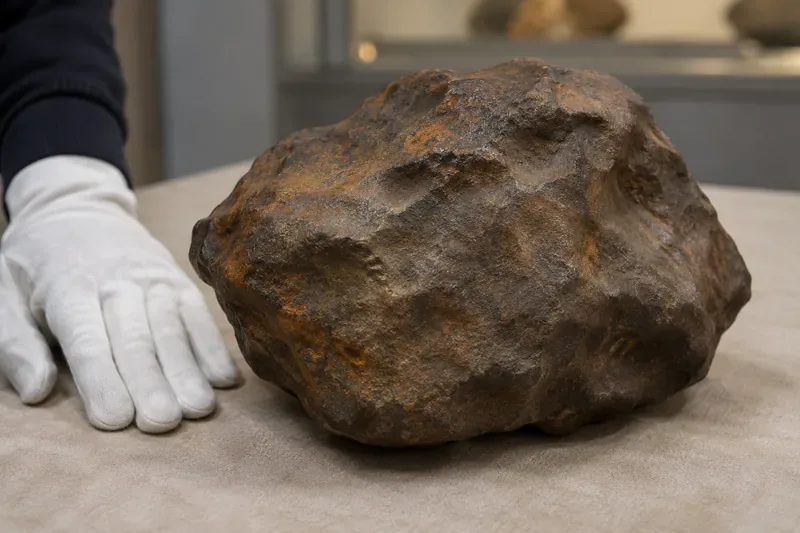
Learn how prospector David Hole found the 17-kilogram Maryborough meteorite, what its H5 chondrite classification means, and how its age differs from its time on Earth.
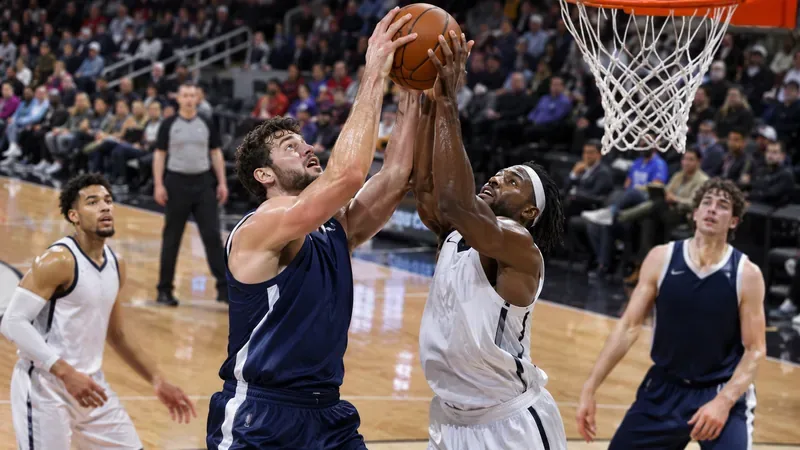
A clear guide to the Pacers–76ers NBA Cup matchup: group stakes, earlier meetings, key players, injury context, and the Indianapolis tipoff converted to Australian time.