Why Is Nvidia Down Today? NVDA Falls 5.47% on November 10, 2026
Nvidia fell 5.47% to $168.89 on November 10, 2026. The board’s investigation into reports involving CEO Jensen Huang and broader rate concerns weighed on shares.
Updated: November 10, 2026, at 8:09 p.m. EST (Washington, D.C.; UTC−05:00) / November 11 at 1:09 a.m. UTC.
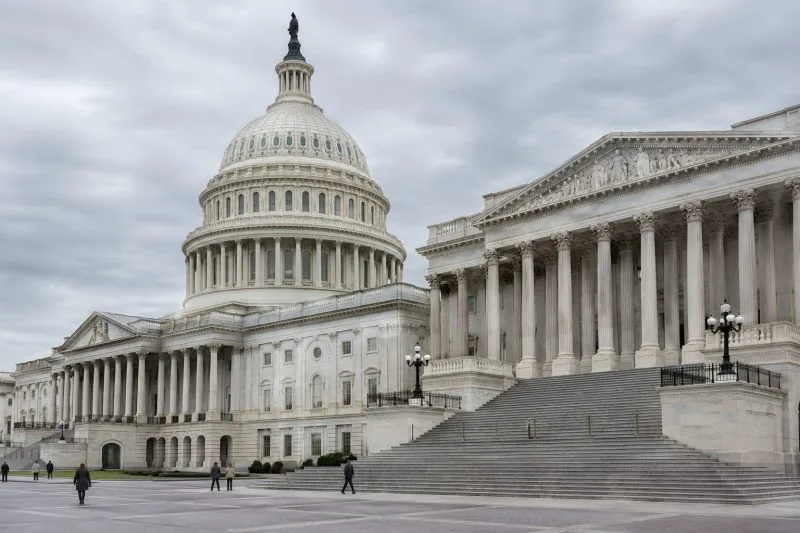
The House voted 211–204 on November 10 to send a resolution seeking to impeach Defense Secretary Pete Hegseth to committee. That was a procedural vote to refer the resolution, not a vote to approve articles of impeachment. The House Clerk’s record shows 210 Republicans and one independent voted for referral; 203 Democrats and one Republican voted against it. The result effectively halted the current effort from advancing to an impeachment vote on the House floor.
That distinction matters: impeachment requires the House to approve articles by a simple majority. If it does, the case moves to the Senate, where conviction and removal require a two-thirds vote of senators present. The referral vote did not impeach Hegseth, begin a Senate trial, or determine the merits of the accusations.
Representative Thomas Massie introduced a resolution with articles of impeachment against Hegseth. On November 10, the House considered a motion to refer the resolution to committee. The motion passed, 211–204, according to the official House Clerk roll-call record.
In practical terms, referral sends the measure to a committee instead of bringing it forward for an immediate floor decision on the articles. News reports described the vote as effectively shelving or killing the current push. That describes the immediate political effect; it does not mean the House voted on whether the allegations were true or adopted a formal finding about Hegseth’s conduct.
The resolution’s allegations are claims by its sponsors, not findings established by the referral vote. Any later action would depend on House procedure and decisions by members. This account reflects the official vote record checked at the timestamp above; no later House action is established here.
The Constitution gives the House the “sole Power of Impeachment.” In practice, members introduce articles that state the charges, and the House may consider them through its rules and committees. If a majority of members voting approves at least one article, the official is impeached. Impeachment is the formal accusation; it is not itself a conviction or removal from office.
The Senate’s official impeachment guide explains that the House approves articles by simple majority. The Constitution refers to “Treason, Bribery, or other high Crimes and Misdemeanors,” but does not provide a comprehensive definition of that phrase. Congress applies the standard through its constitutional process.
The House appoints members, known as managers, to present the case to the Senate. The Senate then conducts an impeachment trial, considers the charges under its procedures, and votes on whether to convict. For a Cabinet secretary such as Hegseth, the chief justice does not preside; the Constitution specifically requires the chief justice to preside when the president is tried.
Conviction requires two-thirds of senators present. The constitutional judgment can remove an official from office and may also disqualify that person from holding future federal office. Criminal prosecution is a separate matter: impeachment judgment does not prevent ordinary legal proceedings. These rules are laid out in the U.S. Constitution published by the Senate.
The referral vote means the resolution did not move directly to a full House vote on impeachment that day. Committee consideration, a later floor action, or a renewed effort would depend on congressional decisions; the vote alone does not guarantee any of those steps. Because control of Congress and the legislative calendar can affect what gets considered, readers should distinguish a reported plan or prediction from a recorded vote.
The immediate takeaway is narrow but consequential: the House’s November 10 action blocked this resolution from advancing directly to a vote on impeachment. It did not complete the impeachment process, because the House never approved articles and the Senate therefore had no case to try.
No. The House voted to refer the resolution to committee, 211–204. It did not approve articles of impeachment.
A simple majority in the House is needed to approve articles of impeachment. Senate conviction and removal require a two-thirds vote of senators present.
No. Impeachment is the House’s formal accusation. Removal follows only if the Senate convicts the official by the constitutionally required two-thirds vote.
Nvidia fell 5.47% to $168.89 on November 10, 2026. The board’s investigation into reports involving CEO Jensen Huang and broader rate concerns weighed on shares.
Start weight training with a beginner-friendly routine, practical form and recovery tips, and current Australian activity guidelines.
Learn how the planned Takaful-based Alternative Student Finance scheme would support eligible undergraduates, how contributions would work, and when it may launch.
Build a sensible household water reserve with the UK’s three-day guidance, tailored amounts, safe storage, and clear steps to take during a supply outage.
A yellow cold-health alert is in place for northwest England and the West Midlands from November 12–14. Prepare your home, check in on people at risk, and know when to seek help.
UKHSA has issued a yellow cold-health alert for north-west England and the West Midlands. Learn who is most at risk, what the alert signals, and how it differs from weather warnings.
The Bills reportedly acquired Amani Hooker from Tennessee for a 2027 second-round pick, receiving a fifth-rounder back. Here’s what the deal means for Buffalo.
Rep. Thomas Massie introduced eight impeachment articles against Defense Secretary Pete Hegseth. Here’s what the House vote would decide and what happens next.
A federal jury found former Stoughton detective Matthew Farwell guilty in Sandra Birchmore’s 2021 death. Here’s the case background, charges, evidence and what comes next.
Sofia Franklyn’s debut memoir, Daddy Issues, is out November 10, 2026. Here’s what the publisher confirms, how it relates to Call Her Daddy, and what readers can expect.