


Clear the ownCloud Apache .htaccess Warning Safely
Set AllowOverride All only for ownCloud’s web root, validate the active Apache vhost, and reload safely to restore .htaccess rules.
When connecting the TV to a USB HUB you can:
- Connect TV with many different USB , to watch multiple content sources at the same time without having to connect many times.
- Share other content of friends and relatives via the content they store on USB.
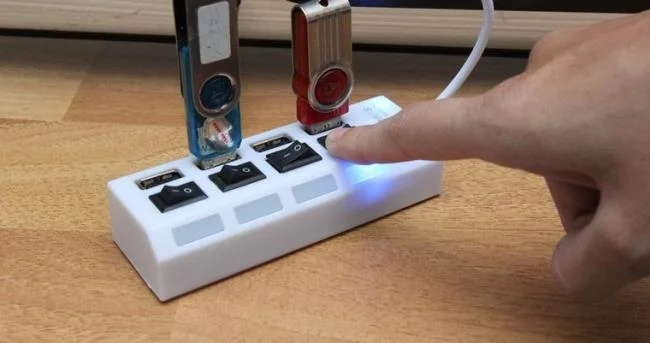
Step 1: You plug in all the USB that you want to watch the contents of into the USB HUB, then connect the cable of the USB HUB to the USB port on the TV. Then, when you want to watch the content on USB, just press the corresponding button on the USB HUB to receive TV. (When the light is on, the TV receives the USB flash drive.)
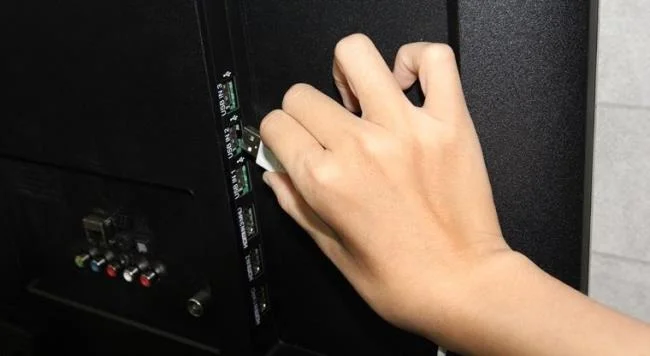
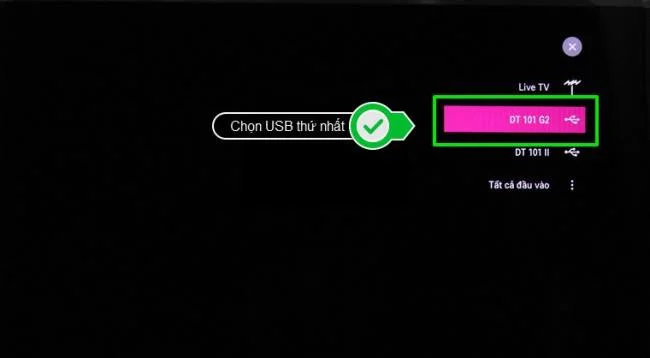
Step 2: After connecting the USB HUB successfully, you can view the content in each USB by pressing the INPUT button on the remote. At this point, in the list of data inputs, you will see the USBs you just connected. Want to see content from any USB, just click on that USB.
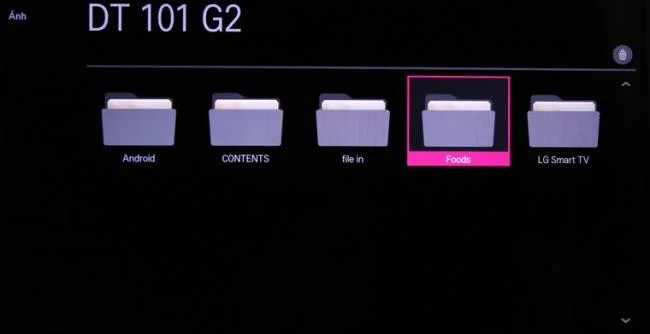
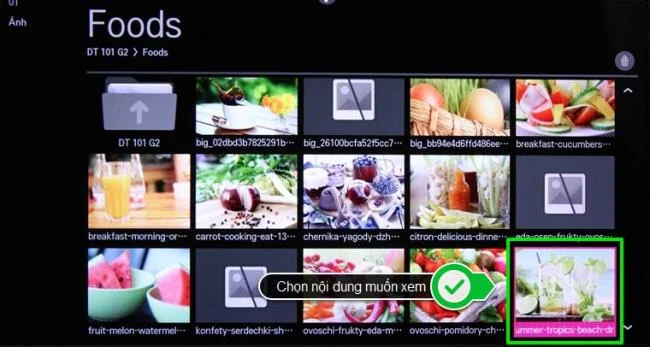
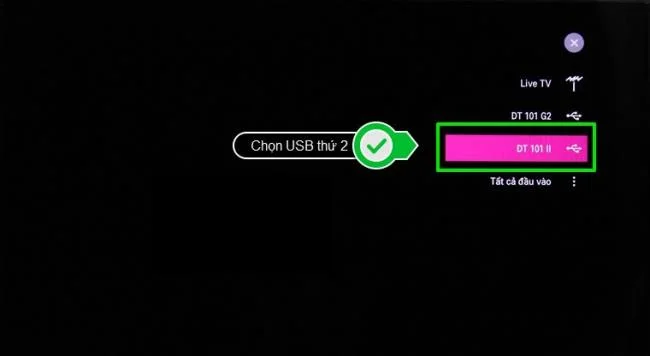
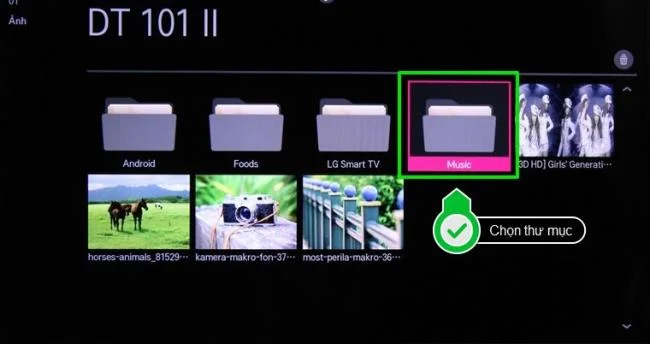
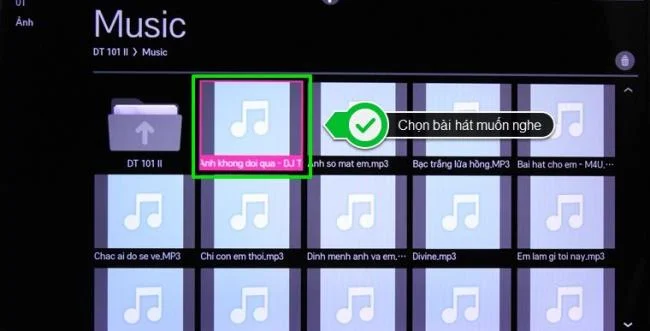
For example, in this article, WebTech360 will choose to view photos stored on the first USB, and listen to music stored on the 2nd USB, so it will do the following:
+ On the first USB:
+ On the 2nd USB:
Note: Not all HUBs have buttons to select the USB you want to connect. If your USB HUB does not have a button, it means that all USB plugs to the TV will receive.
See more:
How to view data in USB on LG Smart TV running WebOS operating system
Above is how to connect a USB HUB to LG Smart TV WebOS operating system. Good luck!
Set AllowOverride All only for ownCloud’s web root, validate the active Apache vhost, and reload safely to restore .htaccess rules.
Enable ownCloud’s Enterprise Auditing app, route admin_audit events to a protected log file, and confirm that real user actions are being recorded.
Align Keycloak’s realm issuer, web client, and user claims to let ownCloud Infinite Scale sign users in reliably across the web and mobile clients.
Transfer owned files and outgoing shares with ownCloud’s occ command, understand what stays behind, and verify access before deleting the old account.
Learn when ownCloud 10 database indexes need attention, how to apply supported schema updates safely, and when query tuning or a database change is the better fix.
Connect a Windows or Samba network share to ownCloud through External Storage, verify credentials, and troubleshoot inaccessible folders safely.
Remove every stored ownCloud Server Classic file version for one account or all users, and distinguish a full purge from retention-based expiry.
Trace an ownCloud mobile connection refusal by checking the server URL, phone network, HTTPS endpoint, and server logs in the right order.
Replace on-demand job runs with a systemd timer that runs ownCloud’s supported occ system:cron command every 15 minutes.
Trace the WebDAV request through Apache, Nginx, or a reverse proxy, then confirm ownCloud sync works with an authenticated PROPFIND test.