Secure SLES Syslog Forwarding with rsyslog and Mutual TLS
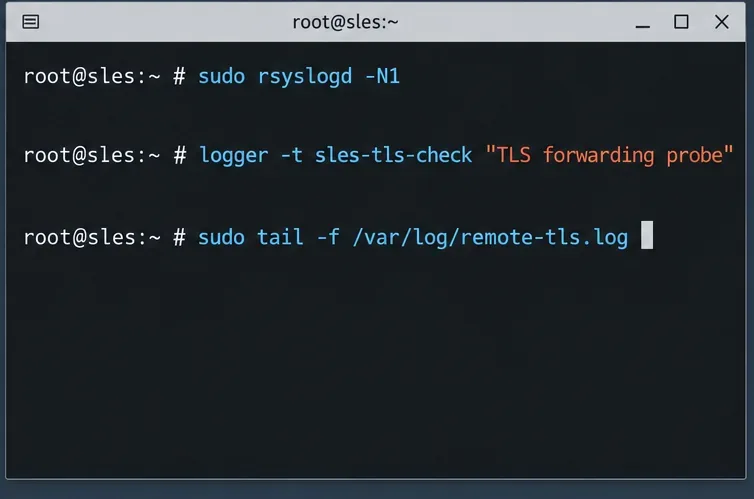
Send SLES system logs to a remote rsyslog collector over authenticated TLS, with certificate checks, outage buffering, and delivery tests.
In addition to multiple choice content, you can design a maze game in ScratchJR. In this first lesson, students will learn how to create a simple moving space for the cat character in the maze game. We will adjust the cat's movement in the maze using 4 directional arrow buttons.
If the cat touches the maze, it will automatically return to the starting position. Otherwise, if the cat touches the destination, the game will end. Below is a guide to designing a maze game in ScratchJR.
How to Create a Maze Game in ScratchJR
Step 1:
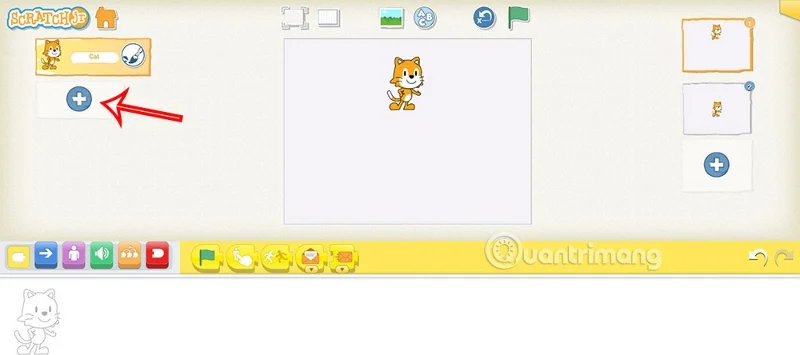
You open the new program and click on the plus icon to add characters in ScratchJR.
Step 2:
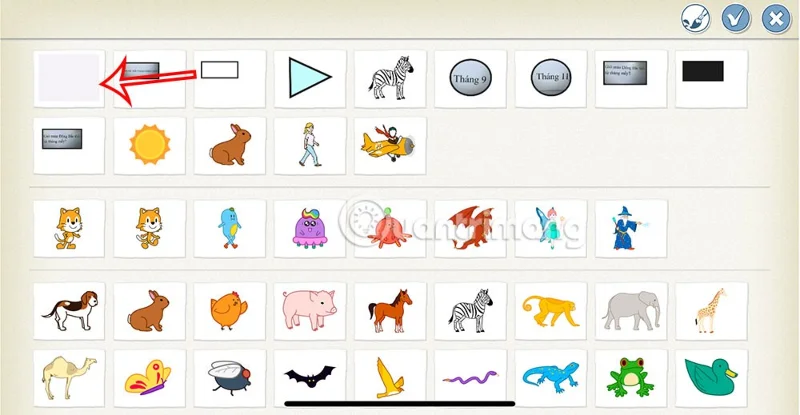
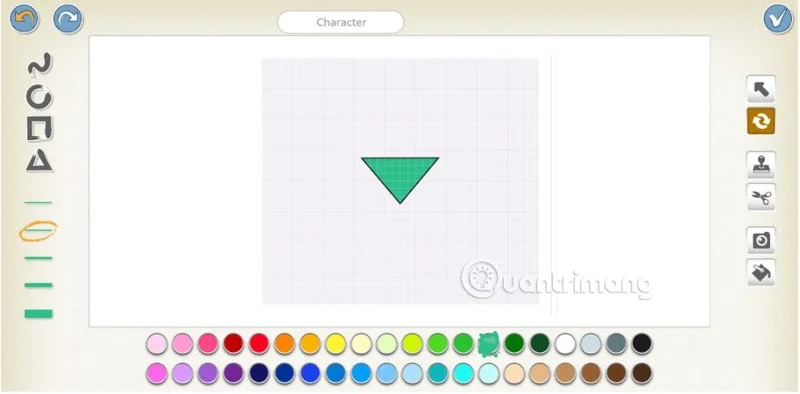
Next, students click on the white frame and then select the pen icon to draw the triangle symbol.
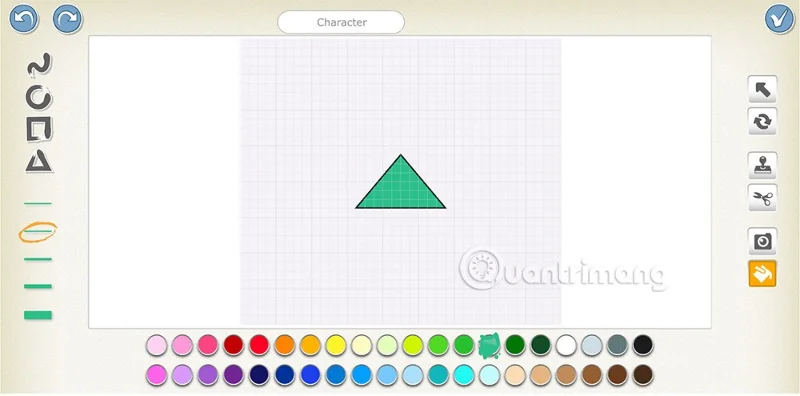
Students select the triangle and draw it in the white frame . Next, click on the paint bucket icon and choose a color for the triangle.
Step 3:
To design a second arrow character pointing down , select the arrow character you drew and then click on the pen icon .
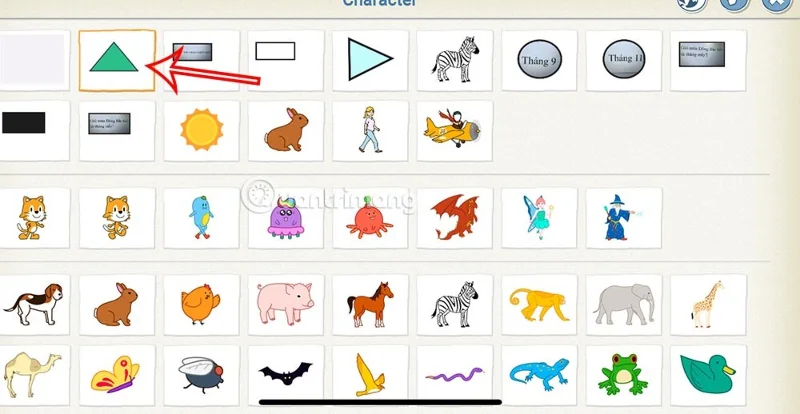
Now we click on the rotating arrow icon and use our finger to change the direction of the triangle and click the v sign to add it to the design.
Step 4:
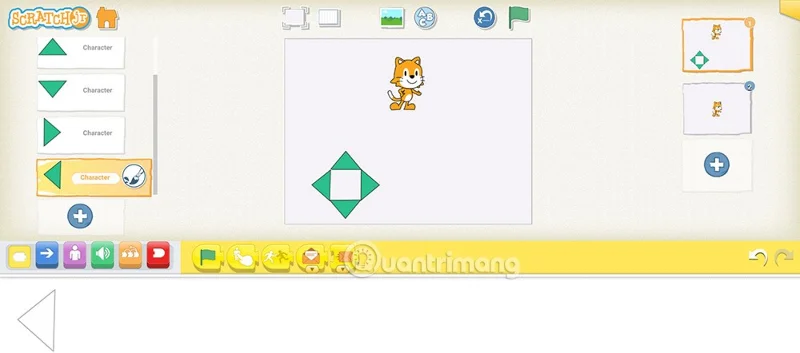
We will design 4 arrows and arrange them below the character as shown below.
Step 5:
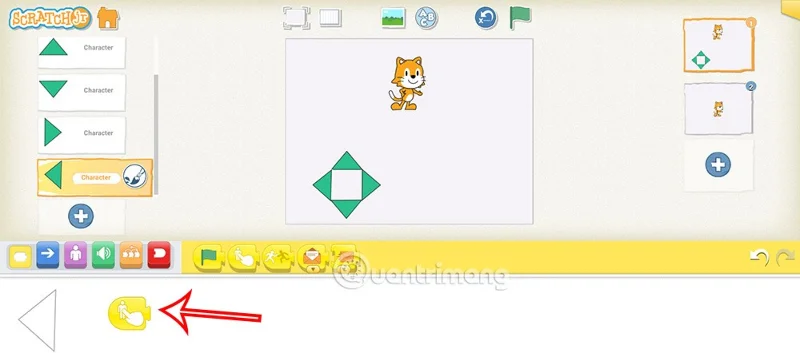
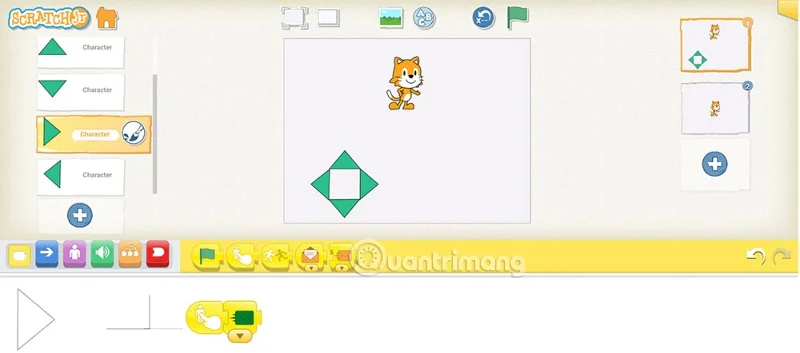
Next you will design the message for each triangle button . You click on the left arrow and then click on the character touch command icon .
Then select the messaging icon and select the red message .
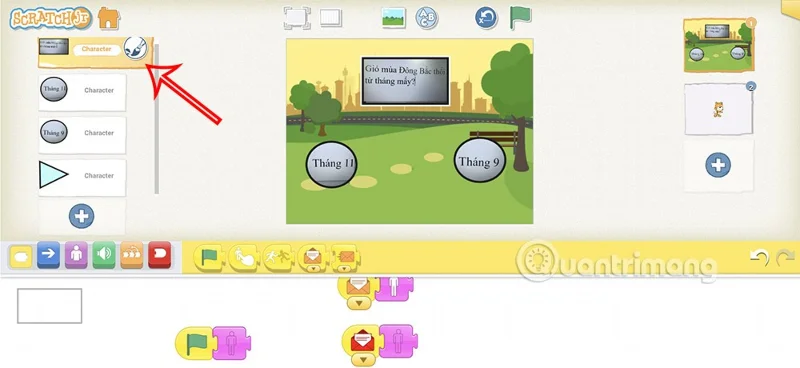
Students continue to perform the command as above with other triangles but must choose different message colors.
Step 6:
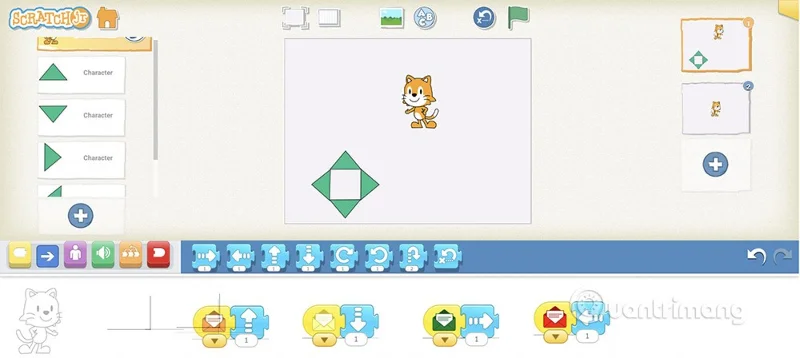
Now you will assign the main character directions of movement . Each direction will be associated with a message opening color corresponding to the message receiving color in each triangle.
For example, the up arrow with the orange message open command corresponds to the upward pointing triangle icon.
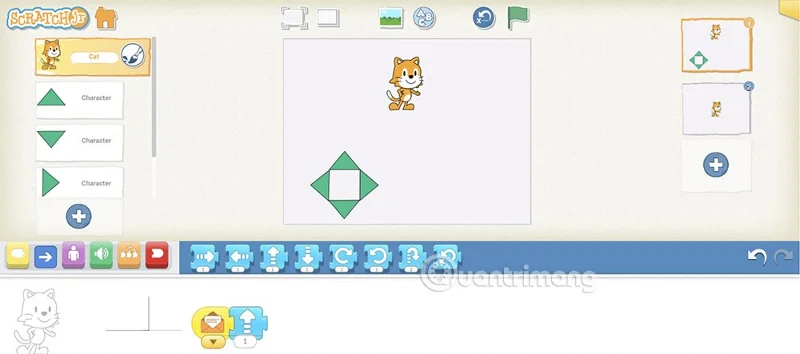
The complete command for the cat character to move in the directions of the triangle is shown below.
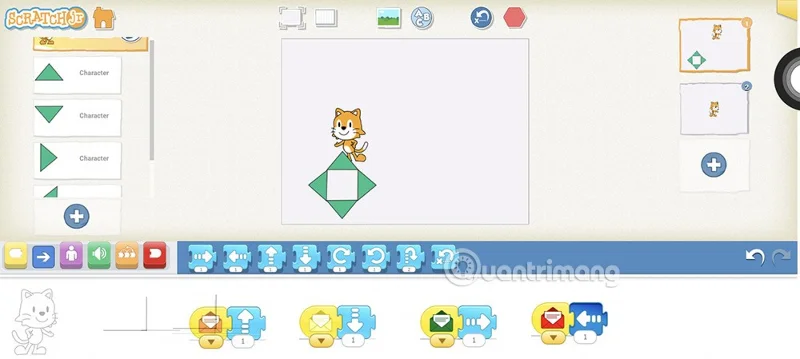
Now when you click on the arrow icon the cat character will move in that direction.
Send SLES system logs to a remote rsyslog collector over authenticated TLS, with certificate checks, outage buffering, and delivery tests.
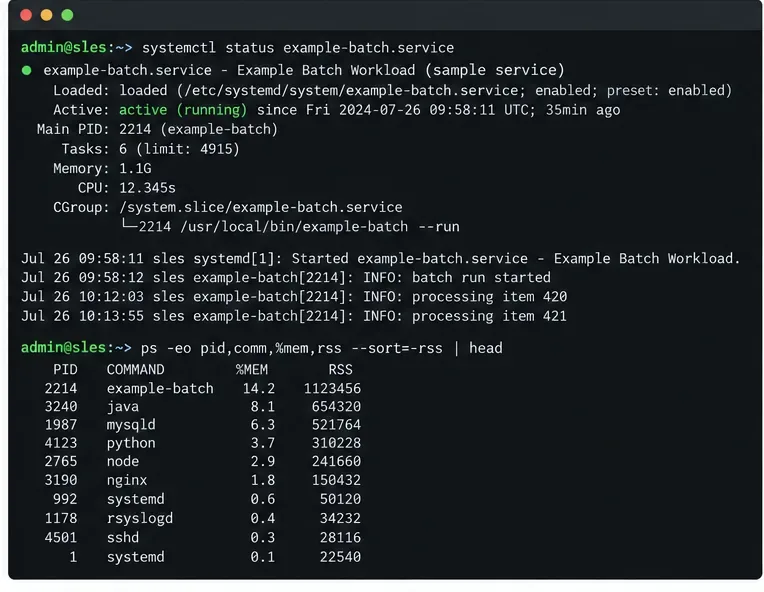
Use RAM, swap, kernel, and Zypper logs to identify real memory pressure, protect package state, and choose a safer SLES upgrade retry.
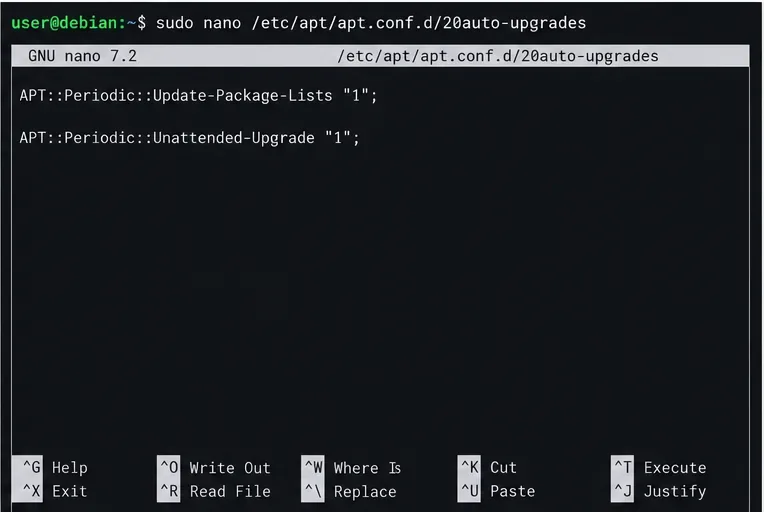
Enable Debian’s unattended security updates over SSH, keep the default package sources, and verify scheduled runs through systemd and APT logs.
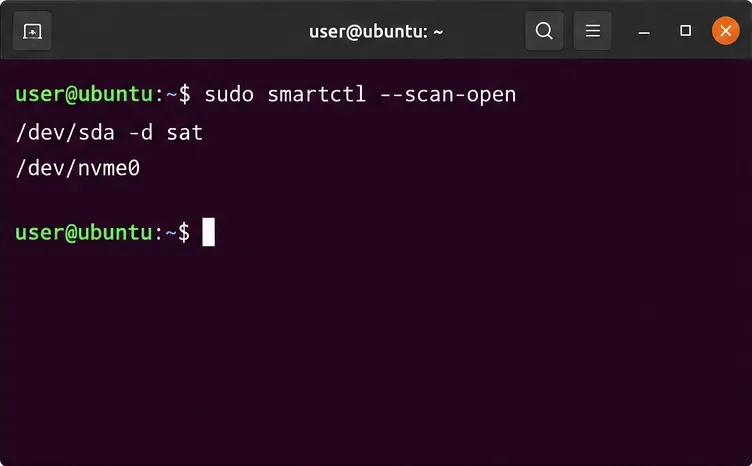
Compare mail delivery options, configure smartd on Ubuntu, and verify that disk-health warnings reach your inbox.
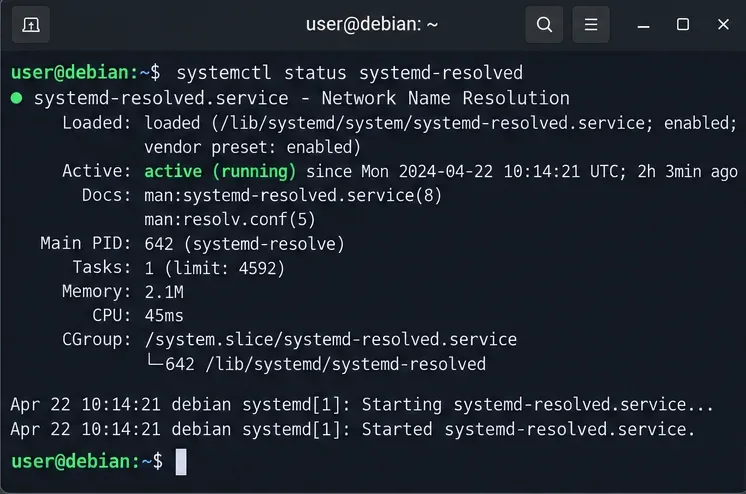
Restore DNS lookups on Debian 12 by checking systemd-resolved, repairing resolv.conf when needed, and verifying upstream DNS and application resolution.
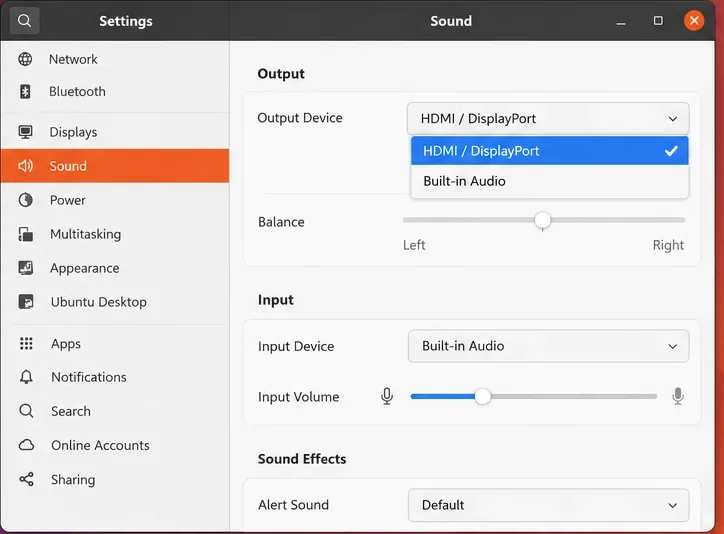
Get Ubuntu to detect your monitor or TV as an audio output, select it in Sound settings, and check the connection or PipeWire device list if HDMI is missing.
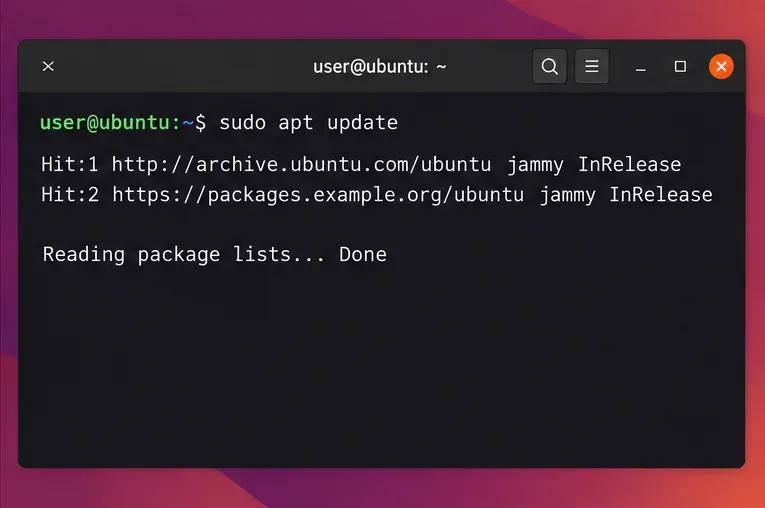
Resolve Ubuntu APT signature warnings safely by identifying the failing source, refreshing its verified key, and checking the result without disabling security.
Learn the balanced three-phase formulas and convert line voltage, current, kW, kVA, and power factor step by step, with a worked example and limits to check.
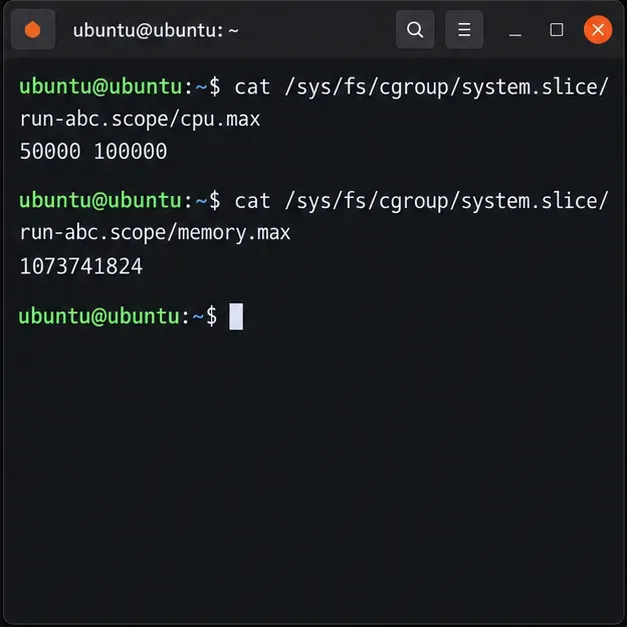
Run a workload inside a systemd scope with CPUQuota and MemoryMax, then verify the limits through cgroup v2.
Set up dnscrypt-proxy as Pi-hole’s local DoH bridge on Ubuntu 24.04, with a localhost-only listener, resolver selection, and checks before switching DNS.