Back Up and Restore HamoniKR Settings Without Missing Hidden Files
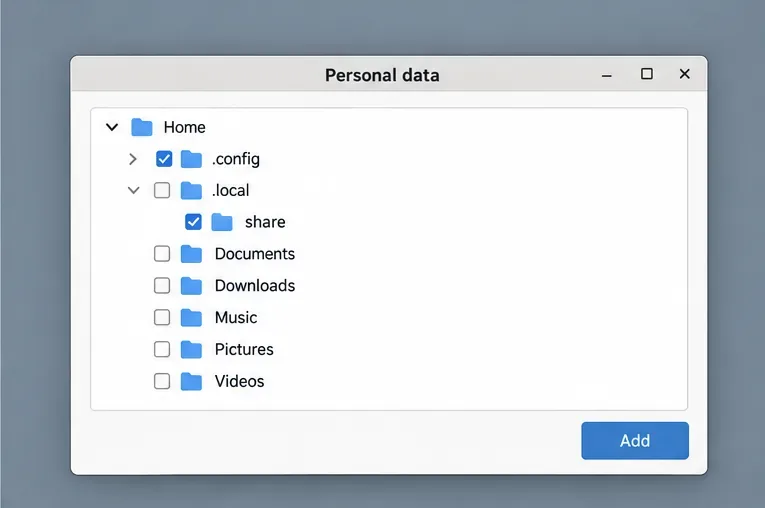
Save HamoniKR preferences to external storage, include hidden home folders, and choose a safe restore mode when moving to a fresh installation.
Imagine reclaiming gigabytes of space on your Windows 11 PC without lifting a finger—sounds like a dream, right? 😊 Enter Windows 11 Storage Sense, Microsoft's smart built-in tool designed to keep your storage clutter-free and your system humming along efficiently. Whether you're drowning in temporary files, old downloads, or unused apps, Storage Sense automates the cleanup process, saving you time and frustration. In this guide, we'll walk you through everything you need to know about how to use Windows 11 Storage Sense, from setup to advanced tweaks, so you can enjoy a faster, more organized device.
Windows 11 Storage Sense is an intelligent feature that automatically detects and removes unnecessary files to optimize your storage space. Introduced as part of Windows 10 and refined in Windows 11, it targets items like recycle bin contents, temporary files, and even cloud-synced files you no longer need locally. It's not just about freeing space—it's about enhancing performance, reducing lag, and preventing your drive from filling up unexpectedly.
Why bother? In today's digital world, storage fills up fast with photos, videos, and app data. Manual cleanup is tedious and often misses hidden junk. Storage Sense runs quietly in the background, ensuring your PC stays lean and mean. Plus, it's customizable, so you control what gets deleted. Ready to dive in? Let's get started with enabling and configuring it.
Getting Storage Sense up and running is straightforward. Follow these simple steps to activate it and let the magic begin:
Once enabled, Storage Sense will start monitoring your drives. But don't stop here—customize it to fit your needs for even better results. As you tweak these settings, you'll feel the relief of a lighter, faster PC. Excited? Let's explore the configuration options next.
Enabling Storage Sense is just the beginning. Dive deeper into its settings to fine-tune what gets cleaned up. Click on Storage Sense in the Storage menu to access the detailed options. Here's what you can adjust:
To make it even more powerful, explore the Configure Storage Sense or run it now link. This opens a window where you can set specific thresholds, like deleting files in the Downloads folder after a set period. Pro tip: If you use cloud storage like OneDrive, enable the "Sense for local files" option to offload items seamlessly without losing access.
Sometimes, you want instant results. Running Storage Sense manually is a breeze and perfect for that pre-backup spruce-up or when your drive is screaming for space. Here's how:
This manual run can free up several gigabytes in minutes, especially if you've accumulated temp files from updates or apps. After it finishes, check your storage usage graph in the same menu to see the impact. It's incredibly satisfying to watch the numbers drop!
For those who want to go beyond the basics, Windows 11 Storage Sense offers advanced features to optimize further. Consider these tips to elevate your storage game:
| Feature | How to Use It | Benefit |
|---|---|---|
| Cloud Integration | Link OneDrive in Storage settings and enable file sensing for local folders. | Frees local space by syncing and removing offline files you rarely access. |
| Unused Apps Cleanup | In Storage > Cleanup recommendations, review and uninstall dormant apps. | Reclaims space from bloated installations without manual hunting. |
| Custom Schedules | Set via the Storage Sense configuration panel for drives or folders. | Automates maintenance during idle times, keeping your PC optimized 24/7. |
One standout advanced trick: Use Storage Sense with external drives. Connect your USB drive, go to Storage settings, and run a cleanup—it'll handle temp files there too. If you're dealing with large media libraries, combine it with the built-in Photos app's storage optimizer for even more gains.
These tweaks ensure Storage Sense works harder for you, turning potential storage headaches into a seamless experience. As you implement them, you'll notice snappier boot times and smoother multitasking—pure bliss!
Even the best tools can hit snags. If Storage Sense isn't running or seems stuck, try these fixes:
Most issues resolve with a quick settings refresh. If you're on the latest Windows 11 build (as of 2026), these features are more robust than ever, minimizing glitches.
In wrapping up, mastering how to use Windows 11 Storage Sense empowers you to maintain a clutter-free PC effortlessly. From automatic cleanups to manual boosts, this feature saves space, boosts speed, and reduces stress. Start small—enable it today—and build from there. Your future self (and your hard drive) will thank you! 👏
Have tips of your own or run into a unique setup? Share in the comments below—we'd love to hear how Storage Sense transformed your workflow. Stick around for more Windows 11 guides to keep your tech life optimized.
Save HamoniKR preferences to external storage, include hidden home folders, and choose a safe restore mode when moving to a fresh installation.
Install and configure xrdp on Pardus, choose the right Xfce session, restrict network access, and verify that remote login works.
Diagnose Pardus 23 APT connection failures, confirm the official yirmiuc sources, and restore apt update without bypassing package signature checks.
Configure printers on Harmonica OS using CUPS, compare driverless IPP with legacy drivers, and verify USB or network printing with a test page.
Use a recovery shell to set a new Harmonica OS root password, with checks for encrypted disks, read-only filesystems, and accounts that use sudo.
Trace whether clipping, ALSA format conversion, or HDA power saving is causing Ubuntu 24.04 audio distortion, then apply the matching reversible fix.
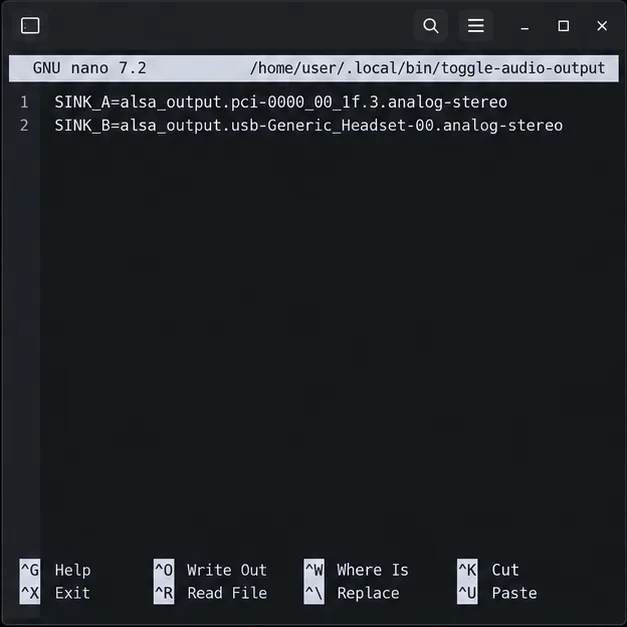
Switch Debian audio between named PipeWire outputs with a pactl script that updates the default sink and reroutes streams already playing.
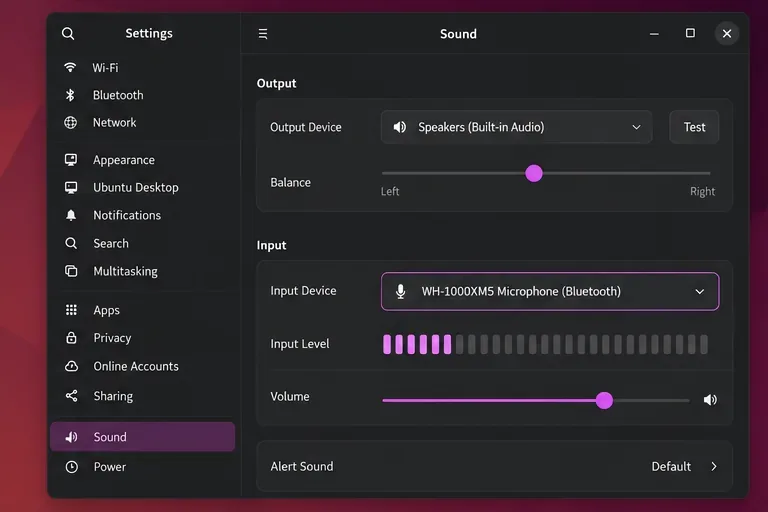
Get your Bluetooth headset mic working by selecting the right input, using a hands-free audio profile, and checking Ubuntu’s PipeWire route.
Learn why Flatpak apps may ignore Ubuntu 24.04 GTK themes and follow safe steps to check theme extensions, refresh Flatpak apps, and diagnose portal issues.
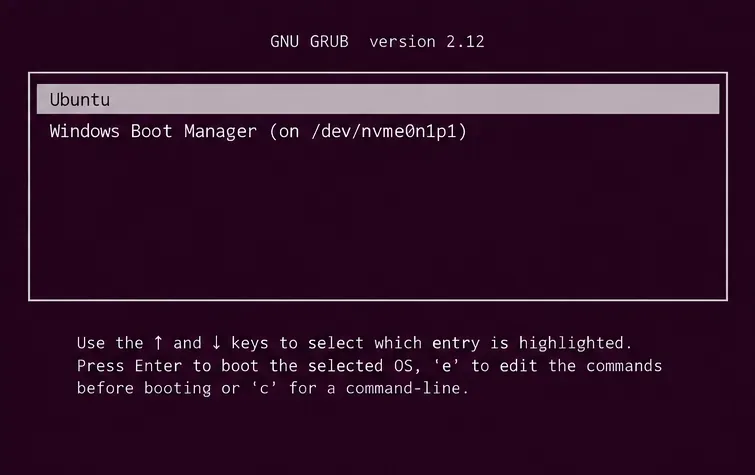
Install Ubuntu 24.04 alongside Windows 11 with BitLocker safely. Compare separate-drive and shared-drive paths, recovery keys, partitioning, and boot checks.