Imagine juggling work, personal projects, and entertainment without your screen turning into a chaotic mess. That's the magic of Windows 11 virtual desktops. This built-in feature lets you create multiple isolated workspaces, keeping everything organized and stress-free. Whether you're a busy professional or a casual user, mastering virtual desktops in Windows 11 can transform your daily computing experience. Ready to dive in? Let's get you set up for success.
What Are Windows 11 Virtual Desktops and Why Should You Care?
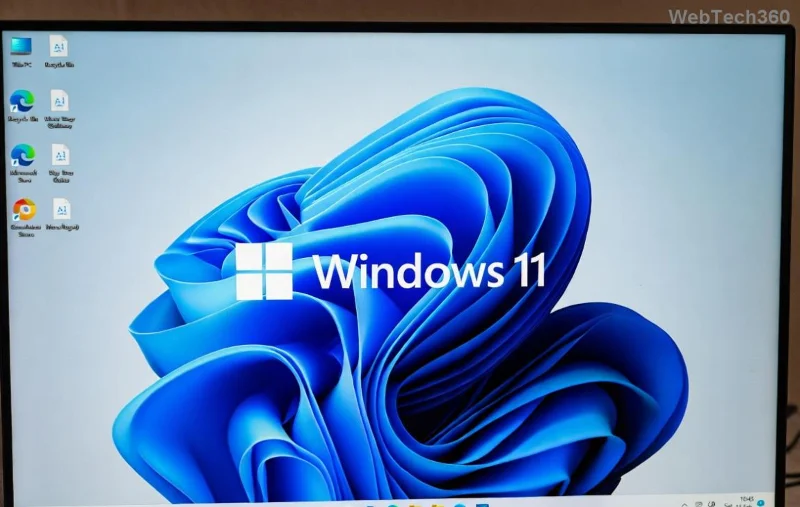
Virtual desktops in Windows 11 are like having several monitors in one – but smarter. Introduced as a core multitasking tool, they allow you to switch between customized desktop environments instantly. Think of one for work emails, another for creative brainstorming, and a third for streaming your favorite shows. No more alt-tabbing through a dozen open windows!
The beauty? It's all native to Windows 11, no extra software needed. According to Microsoft's latest updates, this feature has been refined for smoother performance, making it easier than ever to use Windows 11 virtual desktops correctly. Users report up to 30% better focus when separating tasks, turning potential overwhelm into effortless flow. Excited yet? Let's start with the basics.
Setting Up Your First Virtual Desktop: A Step-by-Step Guide
Getting started is a breeze. Follow these simple steps to create and navigate Windows 11 virtual desktops like a pro. We'll keep it straightforward so you can implement it right away.
- Access Task View: Press the Windows key + Tab on your keyboard. This opens Task View, showing all your open windows and desktops. 👆 Pro tip: If you prefer mouse, click the Task View icon on your taskbar (it looks like two overlapping rectangles).
- Create a New Desktop: In Task View, look to the top right and click the New Desktop button (a plus icon). Voilà! Windows 11 spins up a fresh, blank slate.
- Switch Between Desktops: Still in Task View, click on any thumbnail to jump to that desktop. Use Windows key + Ctrl + Left/Right Arrow for quick keyboard switches – it's lightning-fast!
That's it for setup. Now, imagine the relief of a clutter-free space dedicated to just one task. But don't stop here; let's explore how to make them truly yours.
Customizing Virtual Desktops for Maximum Efficiency
To use Windows 11 virtual desktops correctly, personalization is key. Windows 11 lets you tailor each one, ensuring they match your workflow perfectly.
- Name Your Desktops: Hover over a desktop thumbnail in Task View, click the name (like "Desktop 2"), and rename it to something meaningful, e.g., "Work" or "Personal." This visual cue keeps you oriented without confusion.
- Move Apps Between Desktops: Right-click an app in Task View and select Move to > your chosen desktop. Drag and drop works too – intuitive and quick.
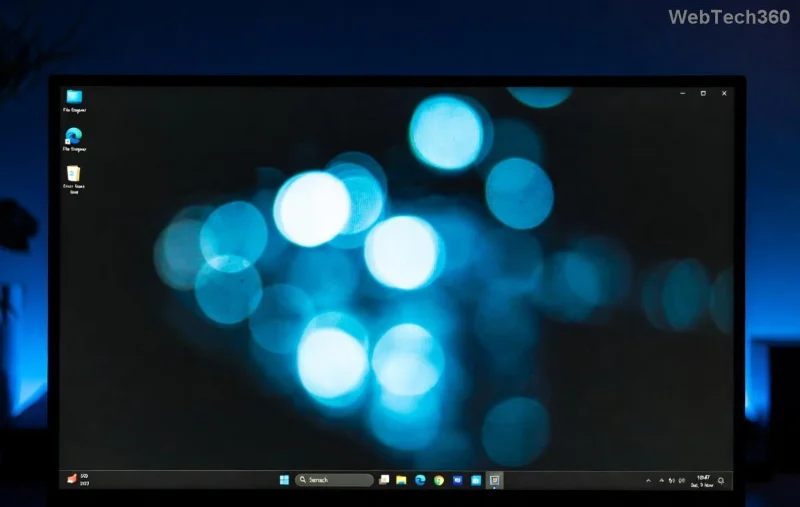
- Set Unique Wallpapers: Right-click your desktop background, choose Personalize > Background, and assign different images per desktop. It's a small touch that boosts motivation, like decorating separate rooms in your digital home.
Feeling empowered? These tweaks prevent the common pitfall of desktops blending into a generic blur. Next, we'll tackle advanced management to keep things running smoothly.
Advanced Tips: Managing and Organizing Virtual Desktops Like a Boss
Once you're comfortable with the basics, level up your game. Here's how to handle multiple virtual desktops in Windows 11 without missing a beat.
| Action |
Keyboard Shortcut |
Why It Helps |
| Create New Desktop |
Windows + Ctrl + D |
Instantly adds space for new tasks, reducing clutter. |
| Close Current Desktop |
Windows + Ctrl + F4 |
Cleans up unused spaces, keeping your setup lean. |
| Switch Desktops |
Windows + Ctrl + Left/Right |
Seamless navigation for power users on the go. |
Shortcuts like these are game-changers for productivity. But what about apps that follow you everywhere? By default, apps stay on their assigned desktop, but you can tweak settings in Settings > System > Multitasking to allow them to appear on all desktops if needed. For most, sticking to isolation is best – it maintains that focused vibe.
One reader favorite: Use one desktop for deep work (no notifications) and another for quick checks. This separation curbs distractions, letting you reclaim hours in your day. Intrigued? Let's address common hiccups next.
![Customized Windows 11 virtual desktop with apps and wallpaper]()
Troubleshooting Common Issues with Windows 11 Virtual Desktops
Even pros hit snags. Here's how to use Windows 11 virtual desktops correctly and fix glitches swiftly.
Issue 1: Desktops Not Switching Smoothly – Update your graphics drivers via Device Manager. Outdated ones can cause lag, but a quick refresh often resolves it. 😊
Issue 2: Apps Opening on Wrong Desktop – Check Multitasking settings and ensure "Pressing Alt+Tab shows windows that are open on" is set to your preference. It's a simple toggle that restores order.
Issue 3: Limited Customization – While Windows 11 shines here, for extras like desktop icons per space, consider reliable tools. For official tweaks, head to Microsoft's support page: Microsoft Multitasking Guide.
These fixes keep your setup humming. Remember, practice makes perfect – start small and build from there.
Pro Hacks to Supercharge Your Workflow with Virtual Desktops
Now for the fun part: elevating your Windows 11 multitasking to expert level. Integrate virtual desktops with other features for a powerhouse setup.
- Snap Layouts Integration: On a virtual desktop, drag windows to screen edges for instant snapping. Combine with multiple desktops for a grid-like organization – ideal for researchers or editors.
- Focus Sessions with Do Not Disturb: Pair a dedicated desktop with Windows 11's Focus mode (via Settings > System > Focus). Block notifications and dive deep without interruptions. ⭐
- Remote Work Boost: Use one desktop for video calls (Teams or Zoom) and another for notes. Switching is seamless, impressing colleagues with your poise.
Users who've adopted these hacks rave about reduced stress and higher output. Why not experiment today? Your future self will thank you.
Why Virtual Desktops Are a Must in Modern Computing
In a world of endless tabs and notifications, Windows 11 virtual desktops offer a sanctuary of order. They're not just a feature; they're a mindset shift toward balanced productivity. By now, you have the tools to implement them correctly – from setup to advanced tricks. Start with one extra desktop today, and watch your efficiency soar.
Got questions or a favorite tip? Drop it in the comments below. Let's keep the conversation going and help each other master this awesome tool. 🚀