Live updates
Iran War: Bahrain Radar Claims Disputed as Hormuz Shipping Risks Persist — November 14, 2026
Information checked: November 14, 2026, 12:06 a.m. Eastern Standard Time (EST, UTC−05:00); November 14, 2026, 05:06 UTC. This is the opening overview for the November 14 U.S. Eastern Time live edition, not a claim that a new attack occurred after midnight.
The Iran conflict enters November 14 with competing accounts of a confrontation involving Bahrain and continuing danger to civilian shipping around the Strait of Hormuz. U.S. forces say they intercepted two Iranian drones headed toward Bahrain and dispute Iran's assertion that a U.S. radar system there was hit, according to the Associated Press reporting. The purported radar strike and the extent of any damage have not been independently established.
Separately, the International Maritime Organization statement, November 11 says it has verified more than 130 attacks on internationally trading commercial vessels since February 28, with at least 25 seafarers killed. Those figures describe the conflict to date, not a newly confirmed toll for November 14. The ongoing maritime threat remains a central humanitarian and economic concern.
Destaques
- U.S. and Iranian accounts of the Bahrain radar incident conflict; independent confirmation of damage is lacking.
- The IMO has verified more than 130 commercial-vessel attacks and at least 25 seafarer deaths since February 28.
- Washington continues to emphasize pressure on Tehran; diplomatic positions and the prospect of further strikes remain uncertain.
- No independently verified new November 14 casualty figure or fresh strike location is established in this opening check.
What is the latest on the Iran war and Bahrain?
Iran has claimed a strike against a U.S. radar installation in Bahrain, while U.S. military officials say the radar was not destroyed and two approaching drones were intercepted, as reported by the Associated Press. The accounts cannot both be treated as verified descriptions of damage. The exact location of any alleged impact, the condition of the installation, and any casualties have not been independently confirmed. The reported military activity predates this November 14 edition and should not be presented as a new overnight event.
Why does the Strait of Hormuz matter now?
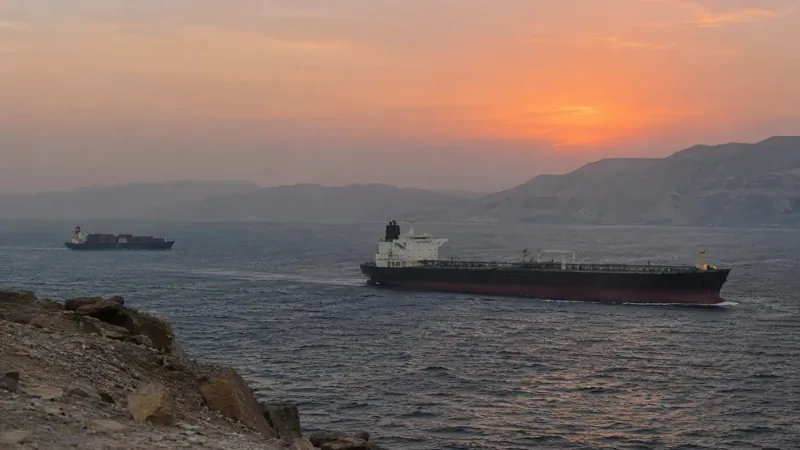
The waterway is a critical passage for commercial vessels and energy shipments. The IMO's November 11 statement highlights persistent attacks on crews and vessels, while its IMO maritime incident monitoring collects confirmed incidents and safety guidance. Claims that particular tankers struck mines, or that an unidentified projectile caused a given explosion, require incident-specific verification before assigning responsibility. The verified aggregate toll does not establish who carried out each attack.
What is happening with nuclear diplomacy and humanitarian risks?
U.S. Secretary of State Marco Rubio has argued that further major U.S. military action is unnecessary and that economic pressure is weakening Iran, according to the Associated Press reporting. That is the administration's stated assessment, not proof that the conflict is resolved or a negotiated agreement is imminent. Nuclear monitoring remains important: the IAEA Iran safeguards information provides the safeguards framework and statements, but the general monitoring page does not independently establish a new inspection outcome for November 14.
Beyond strategic calculations, threats to merchant crews and access to essential services remain consequential. The ICRC operations in Iran describes its humanitarian work in Iran; its country page alone does not provide a verified new November 14 casualty count. Conditions and any claims about specific civilian harm must be checked against dated field reports.
What could happen next?
Further official military statements, independently corroborated maritime incident reports, and substantive diplomatic or IAEA announcements would change the picture. Any forecast of renewed strikes or negotiations is conditional. This live edition will distinguish newly confirmed information from statements by combatants and will not assume that unverified claims are facts.
FAQ
Has a U.S. radar system in Bahrain been destroyed?
Iran has made that claim, but U.S. officials dispute it; destruction has not been independently verified.
How many seafarers have been killed in the Strait of Hormuz conflict?
The IMO reported at least 25 confirmed seafarer fatalities in its November 11 statement, a cumulative figure since February 28.
Has a new attack been verified on November 14?
No separate November 14 attack was independently confirmed in the sources checked for this opening overview. The situation may change as fresh evidence emerges.
-
11/13/2026
Iranian Navy claims a tanker hit a mine east of Hormuz
At 04:40 GMT on November 14, Al Jazeera reported that Iran’s navy said a tanker caught fire and stopped after striking a naval mine east of the Strait of Hormuz. The navy alleged the vessel entered a restricted area early Saturday with its tracking and identification systems switched off, and warned other tankers against entering the area. The mine strike and the navy’s account have not been independently verified.
Sources: Al Jazeera live coverage
# -
11/13/2026
Iran warns of a decisive response if strikes resume
At the Security Council’s November 13 Middle East meeting in New York, Iran’s deputy U.N. ambassador Gholamhossein Darzi said Iran had not closed the door to diplomacy but would respond immediately and decisively if the United States or Israel resumed bombing, the Associated Press reported. Darzi also said threats and attacks had undermined trust in renewed negotiations. These were Iran’s stated positions, not evidence that new strikes had occurred. The meeting was scheduled for 1:15 p.m. Eastern Standard Time (UTC−05:00).
Sources: Associated Press UN Web TV schedule
# -
11/13/2026
IAEA report says Iran tied inspection talks to security conditions
An IAEA report circulated to member states on November 13 said Iran told the agency that discussions on resuming nuclear inspections could not proceed while Iran faced threats of military attacks. Iran said discussions could resume when the situation’s underlying causes were addressed and conditions for normal safeguards work restored. The IAEA said the lack of information about Iranian nuclear sites and material is a proliferation concern and that it is prepared to resume safeguards work at short notice. The report described Iran’s position; it did not announce that inspections had resumed.
Sources: Associated Press
#
Updates will appear here when new information is verified.