Microsoft stops supporting Windows Remote Desktop app, moves to new Windows app

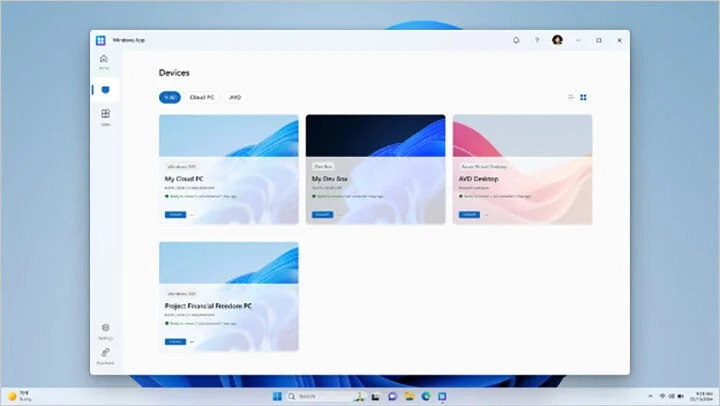
Microsoft has made an important announcement for customers using the Remote Desktop for Windows app from the Microsoft Store. On May 27, 2025, this app will be officially discontinued and removed from the Microsoft Store.

All users are currently recommended to migrate from the Remote Desktop app to the Windows App if they want to continue using Windows 365, Azure Virtual Desktop, and Microsoft Dev Box. After May 27, 2025, access to these features will be discontinued, forcing users to make the transition.

Microsoft says there are many benefits to using the Windows App over the old Remote Desktop app, including:

  • Unified access to multiple Windows services, including Cloud PC and virtual desktops, from a simple, optimized interface.
  • Custom home screen, multi-monitor support and dynamic display resolution.
  • Enhanced remote work experience with features like device redirection, Microsoft Teams optimization, and easy account switching.

Of course, the Remote Desktop app isn’t just for accessing Windows 365, Azure Virtual Desktop, and Microsoft Dev Box. As the name suggests, it’s also a tool that lets you connect to remote computers. If you use the program primarily for this purpose, Microsoft recommends switching to the Remote Desktop Connection built into Windows. Those who don’t know how to use RDC can refer to Microsoft’s official guide .

Microsoft stops supporting Windows Remote Desktop app, moves to new Windows app

Microsoft also reminds users that Windows Apps have their own limitations and a list of known bugs across all supported platforms, such as not being able to be used in some environments that require proxy authentication. You can find the full list here .

The transition from Microsoft's Remote Desktop app began a few months ago when the company announced a similar change on macOS. It will be interesting to see how Windows users react to the change.

Leave a Comment

Reduce Ubuntu 24.04 Audio Distortion with Targeted ALSA Tweaks

Reduce Ubuntu 24.04 Audio Distortion with Targeted ALSA Tweaks

Trace whether clipping, ALSA format conversion, or HDA power saving is causing Ubuntu 24.04 audio distortion, then apply the matching reversible fix.

Build a PipeWire Output Toggle Script That Moves Active Audio

Build a PipeWire Output Toggle Script That Moves Active Audio

Switch Debian audio between named PipeWire outputs with a pactl script that updates the default sink and reroutes streams already playing.

Restore Bluetooth Headset Microphone Input on Ubuntu 24.04

Restore Bluetooth Headset Microphone Input on Ubuntu 24.04

Get your Bluetooth headset mic working by selecting the right input, using a hands-free audio profile, and checking Ubuntu’s PipeWire route.

Fix Flatpak Apps Not Respecting GTK Themes in Ubuntu 24.04

Fix Flatpak Apps Not Respecting GTK Themes in Ubuntu 24.04

Learn why Flatpak apps may ignore Ubuntu 24.04 GTK themes and follow safe steps to check theme extensions, refresh Flatpak apps, and diagnose portal issues.

How to Dual-Boot Ubuntu 24.04 and Windows 11 With BitLocker Enabled

How to Dual-Boot Ubuntu 24.04 and Windows 11 With BitLocker Enabled

Install Ubuntu 24.04 alongside Windows 11 with BitLocker safely. Compare separate-drive and shared-drive paths, recovery keys, partitioning, and boot checks.

How to Fix Nvidia Drivers Not Loading After a Kernel Update on Ubuntu

How to Fix Nvidia Drivers Not Loading After a Kernel Update on Ubuntu

Diagnose NVIDIA driver failures after an Ubuntu kernel update. Check DKMS and Secure Boot, rebuild the matching module, enroll a MOK, and verify the fix.

How to Fix Ubuntu 24.04 Wi-Fi Disconnecting After Suspend

How to Fix Ubuntu 24.04 Wi-Fi Disconnecting After Suspend

Fix Ubuntu 24.04 Wi-Fi drops after suspend with checks for NetworkManager, radio blocks, updates, power saving, and drivers—then verify each resume.

Fix High CPU Usage by Tracker-Miner-3 in Ubuntu GNOME

Fix High CPU Usage by Tracker-Miner-3 in Ubuntu GNOME

Learn why tracker-miner-fs-3 uses high CPU in Ubuntu GNOME and how to check indexing, exclude folders, update Ubuntu, or safely rebuild the search index.

Fix “No Bootable Device Found” After Installing Debian on UEFI

Fix “No Bootable Device Found” After Installing Debian on UEFI

Fix Debian’s UEFI boot error by checking boot mode, the EFI System Partition, GRUB files, and firmware boot order—without reinstalling Debian first.

Outlook Inbox Repair Tool

Outlook Inbox Repair Tool

The Outlook Inbox Repair Tool fixes corrupted PST files quickly so you can recover emails and restore normal Outlook function. Follow these exact steps to run scanpst.exe without data loss.







