Polar Vortex Cold Prep: Protect Your Home and Family — November 7, 2026
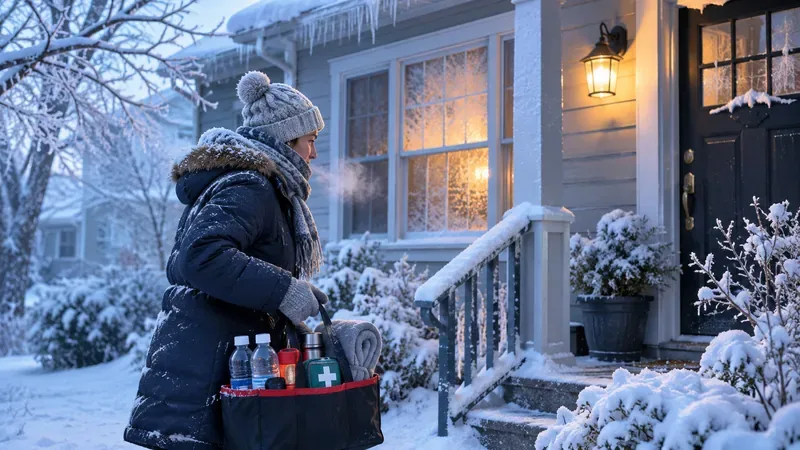
Polar vortex cold safety: protect pipes, prepare for power outages, dress for wind chill, travel safely, and spot frostbite or hypothermia.
Source check: November 7, 2026, 09:11 UTC (UTC+00:00). This United States safety guide draws on National Weather Service (NWS), NOAA, Centers for Disease Control and Prevention (CDC), and FEMA guidance. It does not claim that a particular city is under an active cold warning.
When Arctic air is forecast to surge south, the most urgent preparations are simple: check the warning for your location, secure reliable heat, prevent frozen pipes, and plan for power failures before temperatures drop. Dangerous wind chills can expose people to frostbite and hypothermia, while hard freezes can damage plumbing and make travel hazardous. A winter emergency kit helps only if your household can reach and use it safely.
A headline mentioning the polar vortex is not a substitute for a neighborhood forecast. NOAA explains that polar-vortex patterns can be associated with U.S. cold outbreaks, but not all cold spells are caused by the vortex, and its behavior does not guarantee dangerous temperatures in any one state. Check the latest National Weather Service forecast and alerts for your ZIP code before changing travel, school, or work plans.
Highlights (Destaques)
Start with the hour-by-hour forecast, not the size of a national weather map. Look for the overnight low, wind chill, precipitation, expected duration of subfreezing weather, and whether the local NWS office has posted a watch, advisory, or warning. An Extreme Cold Warning indicates extremely dangerous cold conditions or wind chills are expected or happening; an Extreme Cold Watch indicates they are possible, with timing or location still uncertain. A Cold Weather Advisory also calls for precautions. These alert categories are described in the NWS cold-weather alerts guide.
Move errands to a warmer period if possible, charge phones and portable batteries, check prescriptions, confirm that children have indoor shelter while waiting for transportation, and share a plan with household members. Do not wait for snowfall: dry Arctic air can produce dangerous wind chill even when roads look clear. If the forecast changes, revise your plans based on the local alert rather than a general headline.
Test the heating system and thermostat before a severe freeze. Seal obvious drafts around doors and windows, close blinds at night, and keep a thermometer where you can see the actual indoor temperature. People who rely on electrically powered medical equipment or heat should identify a heated backup location and ask their utility about any relevant assistance programs. Never assume a short power interruption will remain short.
The CDC winter-storm safety guidance explains how freezing weather can rupture pipes and how to reduce the risk. Dripping a faucet reduces risk in some circumstances but does not guarantee that pipes will stay unfrozen.
Prepare for a loss of heat, lights, running water, or communications. For a basic three-day household reserve, plan for at least one gallon of drinking and sanitation water per person per day, adjusting for medical needs, pets, and conditions. Keep supplies together but store them where they will not freeze or become inaccessible.
The NWS lists these practical home and vehicle supplies in its winter-weather preparation checklist. For a prolonged cold spell, replenish items before roads or businesses become difficult to access.
Close off unused rooms, reduce drafts, dress in dry layers, and gather in the warmest suitable space. Use battery-powered lighting rather than candles when possible. If indoor temperatures keep falling, especially around infants, older adults, or anyone with a medical condition, move to a reliable heated location as soon as travel is safe. Call local emergency services if anyone is in immediate danger.
Never heat your home with a gas oven, charcoal grill, or camp stove. Do not run a generator in a garage, basement, porch enclosure, or near windows and doors. CDC advises placing a portable generator outdoors, more than 20 feet from windows, doors, and vents, and using battery-powered or battery-backup carbon monoxide alarms. Exhaust must be directed away from the building. Carbon monoxide is colorless and odorless and can be deadly. Read the CDC carbon monoxide precautions before connecting any emergency generator. Never backfeed household wiring through a wall outlet.
For food safety, keep refrigerator and freezer doors closed as much as possible. FEMA says a closed refrigerator generally keeps food cold for about four hours, while a full, unopened freezer can maintain a safe temperature for about 48 hours; these are planning estimates, not a substitute for checking food temperature after an outage. See the FEMA power outage guidance for current recommendations.
When outside travel is unavoidable, use loose-fitting layers: a moisture-managing base layer, an insulating middle layer, and a wind-resistant, water-resistant outer layer. Add a hat, face covering, insulated mittens, and dry boots. Replace wet clothing promptly. The actual air temperature and wind together determine wind chill; wind increases heat loss from exposed skin but does not lower the physical temperature of objects below the air temperature.
Limit time outdoors, schedule breaks inside, and do not assume someone is fine because they are no longer shivering. Older adults, infants, people with poor circulation, and people without dependable indoor heat deserve extra checks. Arrange regular phone or in-person check-ins with neighbors who may need help obtaining heat, medicine, or transportation. Keep pets indoors as much as possible, ensure water bowls do not freeze, and give outdoor animals appropriate warm shelter and sufficient food and water. Move sensitive plants or cover them before a damaging freeze when practical.
Frostbite can show up as unusually pale, grayish-yellow, firm, waxy, or numb skin, often on fingers, toes, ears, cheeks, and noses. Get the person into a warm place and seek medical care. Do not rub the affected skin or warm it with direct high heat, since numb tissue burns easily. Guidance is available from the CDC frostbite prevention page, updated in August 2026.
Hypothermia may cause intense shivering, exhaustion, confusion, clumsy hands, slurred speech, or drowsiness; babies may show unusually low energy and cold, bright-red skin. A body temperature below 95°F is a medical emergency, but do not delay emergency care while trying to measure it if symptoms are serious. Call 911, move the person gently out of the cold, remove wet clothing, and warm the center of the body with dry layers or blankets while help is coming. Avoid alcohol and sudden direct heat. Refer to the CDC symptoms and emergency response guidance.
When possible, avoid unnecessary trips during extreme cold, freezing rain, or snow. Check road conditions and current warnings before departure. If travel is essential, inspect tires, battery, antifreeze, heater, wipers, and lights; keep the fuel tank at least half full. Pack an ice scraper, shovel, blankets, warm clothes, water, snacks, first-aid supplies, flashlight, and charging cable. Tell a trusted person your route and estimated arrival.
If you become stranded, call for help, stay with the vehicle unless you can reach safe shelter, and avoid exhausting yourself by walking through dangerously cold conditions. Keep the tailpipe clear of snow before running the engine briefly for heat, and never run a vehicle inside a garage. Follow instructions from local emergency responders.
No. NOAA describes the polar vortex as a large circulation of cold air near the poles, but the actual impacts of disturbances or southward-moving Arctic air depend on other atmospheric patterns and location. A polar-vortex headline alone cannot establish exact temperatures, snowfall, school closures, or power outages. For the latest conditions, use your local NWS forecast and official county or state emergency communications; treat long-range outlooks as conditional, not guaranteed outcomes. The NOAA polar vortex explainer provides the meteorological background.
Start when a local NWS watch or credible forecast indicates dangerous conditions may arrive. Secure heat, medications, pipes, and emergency supplies before the coldest period begins.
Yes. Prolonged subfreezing air can freeze poorly insulated or unheated plumbing even with clear skies. Protect exposed pipes and monitor indoor heat.
No. Wind chill describes how quickly exposed skin loses heat. Wind may cool objects faster, but not below the surrounding air temperature simply because of wind chill.
Polar vortex cold safety: protect pipes, prepare for power outages, dress for wind chill, travel safely, and spot frostbite or hypothermia.
Find current severe thunderstorm warnings in Australia using the Bureau of Meteorology website and app, and know what to do when a storm approaches.
Find the start time, Australian TV and streaming options, live scores, and ticket information for Melbourne United vs. Brisbane Bullets.
Sorana Cîrstea says her Hong Kong quarterfinal was her last professional match. Here is what to know about her retirement and final season.
Sarah Abo is leaving Nine’s Today, but her next TV role has not been confirmed. Here’s what is known about her departure and the reports linking her to Seven.
Find Adelaide 36ers vs. Illawarra Hawks broadcast options, scheduled tip-off time, and where to check the latest score and result.
Find the kickoff time, Australian streaming options, live match center and AAMI Park information for Melbourne City vs Western Sydney Wanderers.
Southwest Flight 3396 diverted safely to LAX on Nov. 6. Learn what is confirmed, how to get rebooked, and when refunds or travel assistance may apply.
Learn what an Australian severe thunderstorm warning means, the hazards it covers, and how to protect yourself when a storm approaches.
What is a polar vortex? Learn how it differs from the jet stream, when it can bring Arctic cold to the U.S., and what NOAA forecasts can tell you.