Get Higher Resolutions in a Pardus 23 KVM Guest
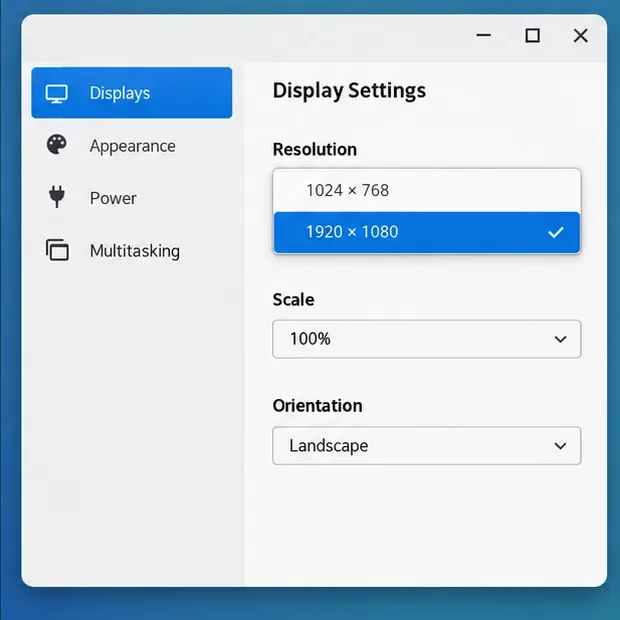
Fix a 1024 × 768 ceiling by checking SPICE, virtual video, the guest channel, and spice-vdagent—with safe checks when Pardus lacks a package candidate.
Microsoft continues to accelerate its plan to replace the Remote Desktop application on different platforms with a new Windows App, this time for the Android operating system. Previously in March, Microsoft announced that from May 27, 2025, the Remote Desktop application will be officially discontinued and removed from the Microsoft Store.
All users are currently recommended to migrate from the Remote Desktop app to the Windows App if they want to continue using Windows 365, Azure Virtual Desktop, and Microsoft Dev Box. After May 27, 2025, access to these features will be discontinued, forcing users to make the transition.
In other words, Microsoft is positioning the Windows App as a single point of access to all of its virtualization services, including Remote Desktop, Windows 365, Azure Virtual Desktop, and Microsoft Dev Box. Compared to the old Remote Desktop app, the new one offers a redesigned UI, improved user experience, support for Chrome OS (Android version), and more. Microsoft has also added passkey support for better, more modern security and authentication.

The Windows App is available on macOS, iOS, the web, and Android. You can also download it on Windows, where it will soon replace the old Remote Desktop app from the Microsoft Store. The Remote Desktop app will be discontinued on May 27, 2025. Microsoft has also announced the end of life of the Remote Desktop app on Windows, and plans to block access to its virtualization services once support ends. However, the built-in Remote Desktop Service will continue to function as usual.
Microsoft says the new Windows App has been used for more than 425 million hours across all platforms. However, not everyone is a fan of the toolkit, especially the new name. For many, “Windows App” is too clunky and doesn’t feel like the old Remote Desktop app.
You can download Windows App for Android from the Google Play Store , the App Store on iOS and iPadOS devices, and the Microsoft Store on Windows 10 and 11.
Fix a 1024 × 768 ceiling by checking SPICE, virtual video, the guest channel, and spice-vdagent—with safe checks when Pardus lacks a package candidate.
Set up the Lider server, configure its installer safely, register Ahenk endpoints, and verify a pilot before expanding central management.
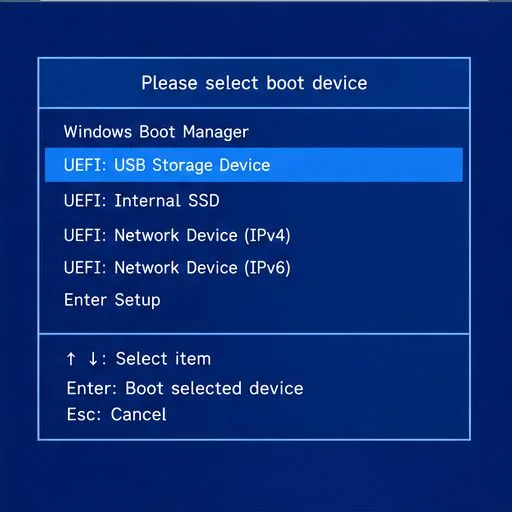
Download the official Pardus 23 desktop ISO, write it safely with Rufus, and boot a Windows PC into a temporary Live session.
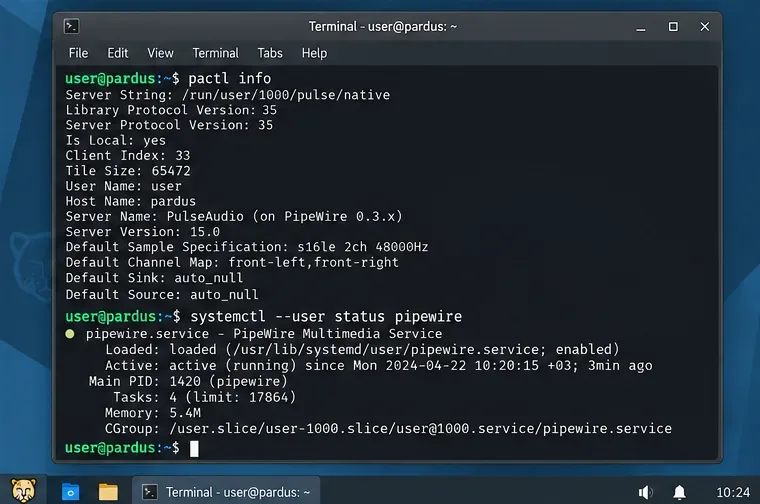
Find out why Pardus 23 cannot detect your sound card, then use targeted ALSA, firmware, and PipeWire or PulseAudio checks to restore playback.
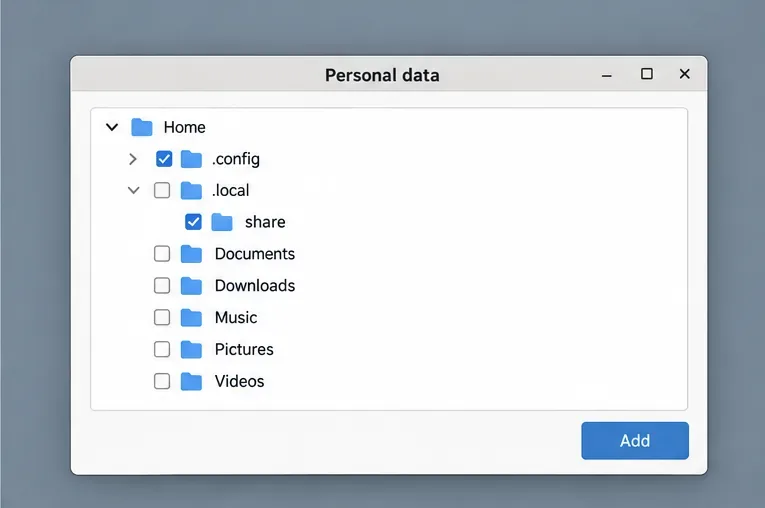
Save HamoniKR preferences to external storage, include hidden home folders, and choose a safe restore mode when moving to a fresh installation.
Install and configure xrdp on Pardus, choose the right Xfce session, restrict network access, and verify that remote login works.
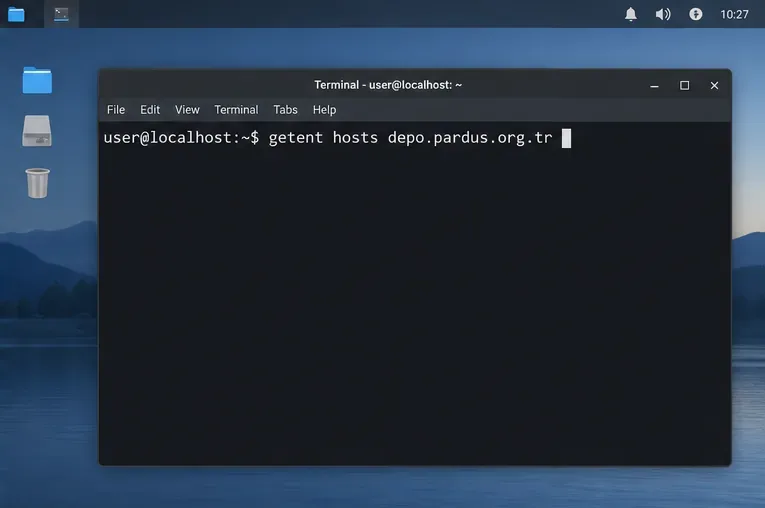
Diagnose Pardus 23 APT connection failures, confirm the official yirmiuc sources, and restore apt update without bypassing package signature checks.
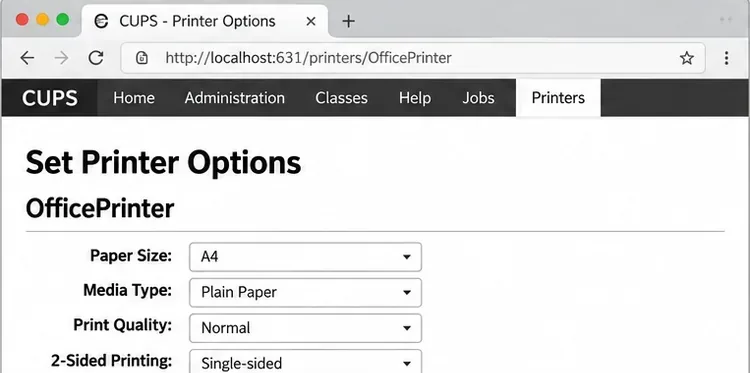
Configure printers on Harmonica OS using CUPS, compare driverless IPP with legacy drivers, and verify USB or network printing with a test page.
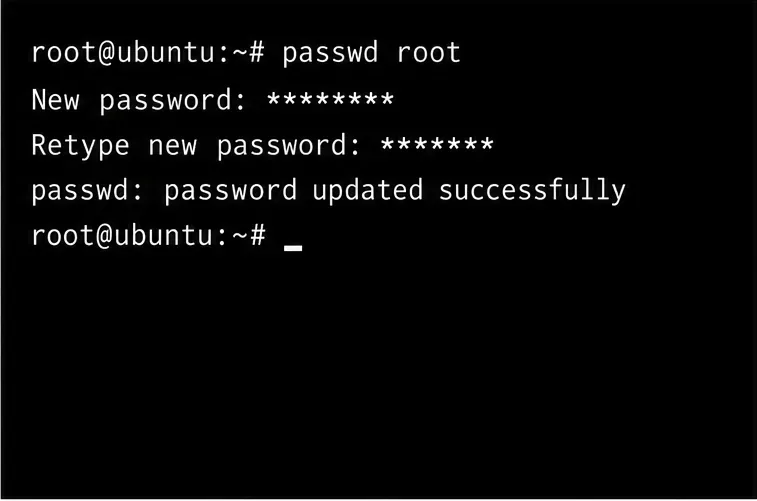
Use a recovery shell to set a new Harmonica OS root password, with checks for encrypted disks, read-only filesystems, and accounts that use sudo.
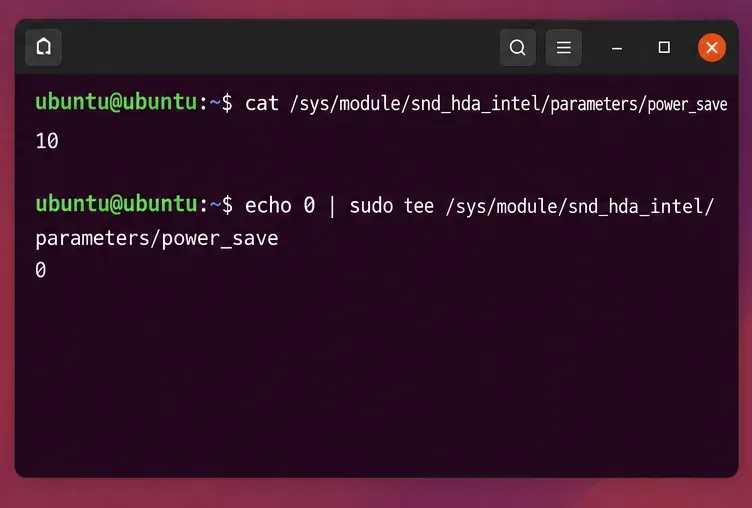
Trace whether clipping, ALSA format conversion, or HDA power saving is causing Ubuntu 24.04 audio distortion, then apply the matching reversible fix.