Who Is Matt Henry? NZ Bowler Takes 6/27 vs India — Nov. 13, 2026
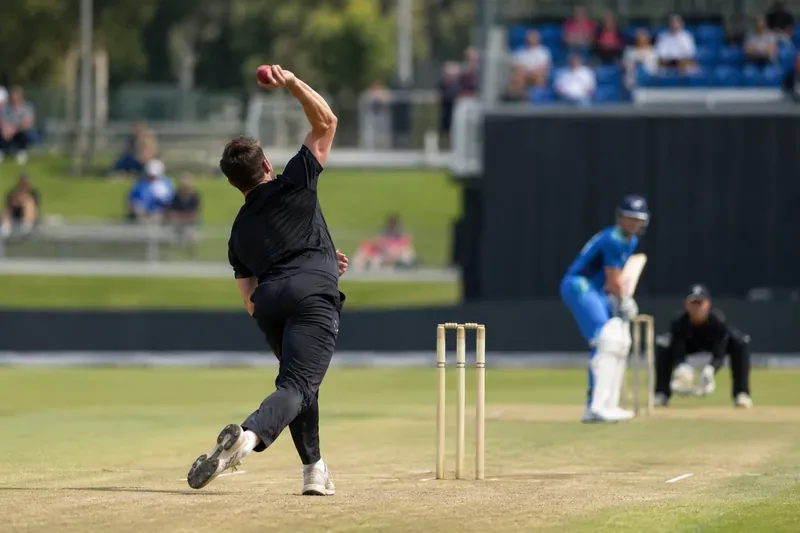
Who is Matt Henry? New Zealand's fast-medium bowler took 6/27 against India on Nov. 13, 2026. Explore his career, comeback, and what's next.
Information checked: November 13, 2026, 8:15 PM Sydney AEDT (UTC+11:00); November 13, 2026, 09:15 UTC. This Australia-focused safety guide reflects official advice available at the time of review; it does not certify that a severe thunderstorm warning applies to any particular address.
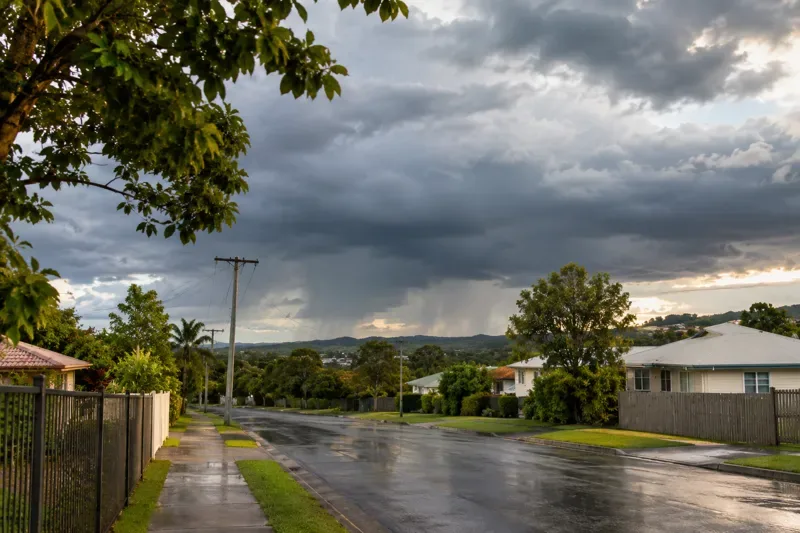
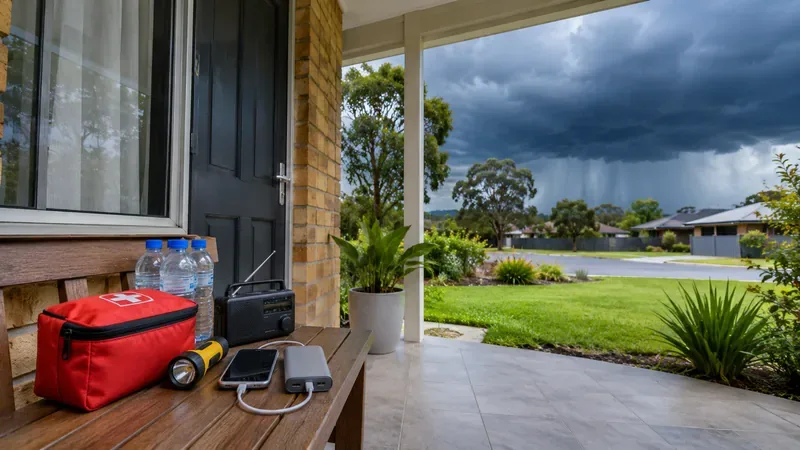
When a severe thunderstorm warning is issued for your area, move into a sturdy building, stay away from windows, and check the latest Bureau of Meteorology (BOM) warning and local emergency-service instructions. If there is still time and conditions are safe, bring loose items inside, protect your car, charge essential devices, and make sure everyone in your household knows where to shelter. Do not go outdoors to finish chores once lightning, dangerous winds, or hail have arrived.
The preparation matters this week: in its November 13, 2026 outlook, the Bureau flagged thunderstorms and the potential for severe storms across parts of Queensland, New South Wales, and Western Australia during the November 14–15 weekend. Those are regional forecasts, not a verified warning for every home or suburb. Storm tracks, timing, and official warnings can change rapidly. See the Bureau's November 13 national weather forecast for the outlook and its live warnings service for your location.
Do not wait until you can see hail or floodwater. The BOM explains that severe thunderstorm warnings are issued when a severe storm is occurring, expected, or reported; a cell can intensify or change course. The BOM guidance on warnings and storm safety recommends sheltering early and continuing to monitor updates.
The NSW State Emergency Service storm preparation guide and Victoria SES storm guidance support these practical measures. Preparation must not expose you to the very hazards you are trying to prevent.
A severe thunderstorm is not simply heavy rain. According to the BOM, a thunderstorm qualifies as severe if it produces or is expected to produce hail at least 2 centimeters (about 0.8 inches) across, wind gusts of at least 90 km/h (about 56 mph), a tornado, or heavy rain that may cause flash flooding. Any thunderstorm carries a lightning hazard, even if the Bureau has not classified it as severe. The potential outcomes include damaged roofs or windows, falling branches, blocked roads, short-term isolation, or interrupted electricity.
The Bureau also uses the term “very dangerous” for higher-end hazards such as giant hail, destructive winds, or intense rainfall. The exact hazards for your district appear in the current warning; they should not be assumed from a general weather forecast. Radar can help track rain cells, but it is not a replacement for the official warning or emergency directions. Refer to the BOM thunderstorm explainer and BOM radar guidance.
Driving: Delay nonessential travel. If you are already driving and conditions deteriorate, find safe, substantial shelter or pull over where it is safe, away from trees, power lines, drainage channels, and low ground. Never attempt to cross a flooded road, even if the water looks shallow. Turn around and choose a safer route after authorities say travel is possible.
Phones and electronics: A charged mobile phone used indoors is a useful way to receive alerts and call for help. Avoid corded landline phones during lightning, and avoid handling appliances connected to household wiring. If you are outdoors, prioritize reaching a safe building rather than photographing the storm.
Outdoor activities: Leave pools, beaches, sports fields, campsites, and open spaces when thunder is heard. A tent, small shed, gazebo, and isolated tree are not safe lightning shelters. A fully enclosed hard-top vehicle can provide safer refuge if no solid building is available, but avoid flooded or tree-lined locations. The BOM storm safety tips stress staying inside, away from windows and fallen electrical lines.
Move away from creeks, storm drains, gullies, and low-lying areas. If rising floodwater traps you, seek the highest safe refuge available and call Triple Zero (000) if rescue is needed or life is at risk. Do not enter floodwater on foot or in a vehicle to reach possessions or assist another person without professional direction. Keep children away from moving water, and treat fallen power lines as live.
For storm or flood damage requiring non-life-threatening assistance, contact your local State Emergency Service. In New South Wales, Queensland, and Victoria, the SES assistance number is 132 500, confirmed by the NSW SES, Queensland SES, and Victoria SES. Follow the relevant emergency-service advice in your own state or territory. Do not use the SES assistance line instead of 000 for an immediate threat to life.
Check for updated or canceled warnings and follow local emergency-service directions before resuming travel or cleanup. As a practical lightning precaution, remain under shelter for at least 30 minutes after the last thunder, as advised in the Victoria SES lightning fact sheet. A quieter sky does not prove that flooded roads, unstable trees, or downed wires are safe.
Inspect damage only from a safe position, keep clear of exposed wiring or compromised structures, record photographs from a safe distance for insurance purposes, and report dangerous hazards to the appropriate utility or emergency authority. Where flash flooding or further storms remain possible, postponing travel and repairs is safer than rushing to return to normal. Whether the November 14–15 forecast develops into damaging conditions at any given address will depend on how the storms evolve; continue to check live official information instead of relying on an earlier forecast.
No. A warning identifies an area at risk of severe thunderstorms, not a guarantee that every property will experience hail, damaging winds, or flooding. Read the latest district-specific warning and keep monitoring updates.
Prioritize essential medication, a charged phone and power bank, flashlight, water, first-aid items, identification, and necessary supplies for children, pets, or medical devices. Getting people into safe shelter comes first.
Call 000 if anyone faces immediate danger or needs urgent rescue. For non-life-threatening storm or flood assistance, contact your local SES; 132 500 serves New South Wales, Queensland, and Victoria. If conditions are unsafe, do not attempt repairs yourself.
Who is Matt Henry? New Zealand's fast-medium bowler took 6/27 against India on Nov. 13, 2026. Explore his career, comeback, and what's next.
Thunderstorm warning issued? Use this practical Australian storm checklist to shelter safely, prepare for outages, avoid flash floods, and know when to call 000.
UPC means Ultra-Premium Collection in Pokémon TCG searches. Here’s what the 30th Celebration Day and Night boxes include and what Australian collectors should check.
A clear guide to Cairns Taipans vs Sydney Kings, the 13 November Cairns matchup, team context and how points, fouls and NBL box scores work.
DPD depot checks in Lincolnshire and Edinburgh prompt questions about UK immigration enforcement. Learn what happened, right-to-work rules, and 2026 changes.
Learn what Australia’s severe thunderstorm warnings cover, where to check live alerts for your area, and how to read the hazards and timing.
Meet Mahli Beardman, the 21-year-old Western Australian quick who took 6 for 24 on his ODI debut as Australia dismissed England for 131 in Perth.
Bruno Fernandes has reportedly rejected a second Manchester United contract offer. Here is what is confirmed, what a renewal involves and what could happen next.
Yes. BBC Children in Need is today, Friday 13 November 2026. The live Appeal Show begins at 7pm GMT on BBC One and BBC iPlayer.
Nintendo has confirmed $50 off the Switch 2 + Mario Kart World bundle and $20 off select games. See dates, bundle math, and what to check before buying.