GTA 6 Gameplay and Features: What’s Confirmed as of November 21, 2026

See what Rockstar has confirmed about GTA 6 gameplay, Jason and Lucia, Leonida’s locations, platforms, visuals, and features—and what remains undisclosed.
Checked November 20, 2026, at 5:18 p.m. GMT (UTC+00:00), London. The UK government’s Be Ready campaign recommends that households be able to manage for three days during a disruption. That does not mean buying a bunker’s worth of supplies: the core is drinking water, food that needs no cooking, light, a way to receive updates, and the specific medicines or care items your household depends on.
There is a timely reason this advice is appearing in grocery searches. The Office for National Statistics reported on November 20 that Great Britain’s retail sales volume rose 0.7% in October compared with September. The ONS said supermarkets reported increased sales of long-life items such as canned goods and UHT milk after the government launched Be Ready on October 22. This is evidence of a reported sales uplift in those products, not proof of a shortage or of panic buying; the ONS did not say the campaign caused the entire rise in retail sales.
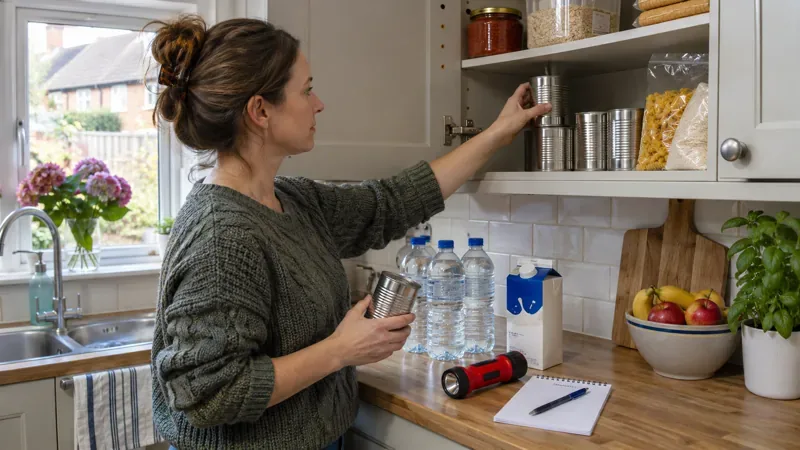
Be Ready says three days of basic supplies can help a household manage while support reaches people who need it most. It also says people do not have to assemble everything at once: check what is already in the cupboard, list any gaps, and add a few items during normal shopping. The goal is resilience during a temporary interruption to services such as power, water, phones, or internet access—not a large stockpile for an imagined long-term crisis.
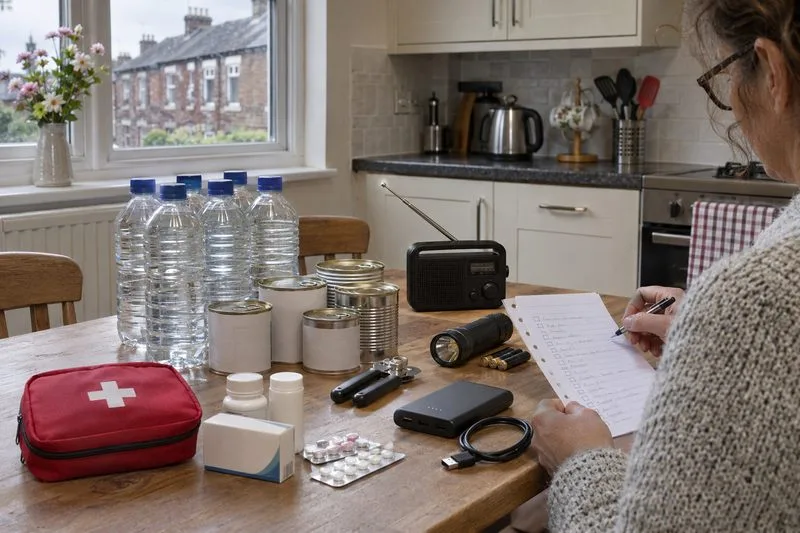
The campaign recommends bottled drinking water at 3 liters per person per day for three days. That works out to 9 liters per person. A two-person household would therefore plan on 18 liters for drinking; a family of four would plan on 36 liters. The figure covers drinking water. The government notes that more may be needed for cooking, washing, pets, baby formula, or a medical device. Adjust for your household rather than treating the drinking-water figure as a complete water budget.
If space is limited, store what you reasonably can and check your water provider’s advice during an outage. Do not drink collected rainwater; Be Ready says it may be used for non-drinking tasks such as flushing toilets or watering plants. Households with infants or people relying on equipment that needs water should make a specific plan with their care team. Follow NHS guidance for preparing infant formula; ordinary bottled water is not usually recommended for making formula.
Keep a small rotation of foods your household already eats and that do not require refrigeration or cooking. The Be Ready examples include canned meat, fish, and vegetables, dried fruit, and nuts. Other options can include crackers, shelf-stable spreads, or ready-to-eat meals that suit allergies and dietary needs. A manual can opener matters if your chosen food is canned. UHT milk is shelf-stable before opening, but check the package instructions once opened.
Do not buy unfamiliar food just because it has a long shelf life. Use items in ordinary meals and replace them as part of routine shopping, so the kit does not turn into forgotten waste. If someone relies on baby formula or specialist nutrition, follow professional advice and include the exact products and supplies they need.
The ONS figures help explain why canned food and UHT milk have become more visible in the conversation, but they do not show that stores are running short. October retail volumes rose after falling in September, and the ONS attributed the overall monthly change to several retail categories. Its comments about supermarkets relate specifically to higher sales of long-life emergency items. A sensible response is to buy gradually and leave normal grocery supplies available to other shoppers.
Be Ready also encourages people who may need extra help during utility outages to check whether they can join their provider’s Priority Services Register. Eligibility and support are handled by energy and water providers, so check with each relevant provider. The campaign applies across the UK, but some instructions are regional: for example, the power-cut reporting number is 105 in England, Scotland, and Wales, while Northern Ireland uses 03457 643643.
Put the supplies together in a known, accessible place, but do not make them so difficult to reach that no one remembers them. Store water and food according to their labels, keep medicines under their normal storage conditions, and set a reminder to review the kit every six months. Replace expired items, update the plan when someone’s needs change, and make sure household members know where the flashlight, radio, contacts, and water are.
During a power cut, do not run a barbecue, camping stove, or generator indoors; these can create a risk of carbon monoxide poisoning or fire. Use ready-to-eat food instead, keep refrigerator and freezer doors closed, and follow local emergency instructions. Call 999 if anyone is in immediate danger.
The Be Ready advice is to keep a modest three-day supply of essentials and build it gradually. It is not a call to panic-buy or accumulate months of food.
The government recommends 3 liters of drinking water per person per day for three days, or 9 liters per person total. Plan for extra needs such as pets, infant care, or medical equipment.
No. The ONS reported higher sales of some long-life items after the Be Ready campaign, but its release does not report a shortage. It also says total retail sales volumes rose across multiple categories.
Advice and figures checked against the UK government’s Be Ready household checklist, its guidance on power cuts and water outages, the Cabinet Office’s October 22 campaign announcement, and the ONS Retail sales, Great Britain: October 2026 bulletin, published November 20. The ONS report covers Great Britain, while the government’s preparedness campaign covers households across the UK.
See what Rockstar has confirmed about GTA 6 gameplay, Jason and Lucia, Leonida’s locations, platforms, visuals, and features—and what remains undisclosed.
An AI-generated call about superannuation highlights risks from cold callers and scams. Learn how to verify callers, protect account details, and act if you shared information.
GTA VI launched on PS5 and Xbox Series X|S on 19 November. Here is what Australian players need to know about availability, the story, PC status and next steps.
An AI caller targeting Ellen Fanning’s super details has been reported across Australia. Here’s what the latest reporting and official guidance say to do.
An AI caller named Alex has cold-called Australians about switching super funds. Learn how lead generation works and how to protect your retirement savings.
Build a practical three-day UK emergency kit with water, no-cook food, light, medicines, and a plan—without panic buying or waste.
Billie Eilish is confirmed for BST Hyde Park on July 3, 2027. See current ticket prices, presale and general sale dates, and what is still to be announced.
Bon Jovi, Muse, Billie Eilish and RAYE are among BST Hyde Park 2027’s confirmed headliners. See dates, ticket prices, sale details and what is still to come.
UK emergency-preparedness purchases rose after Be Ready advice. See the latest grocery sales data, what it measures, and what the government actually recommends.
UK food-store sales rose in October as shoppers bought more long-life groceries after the Be Ready campaign. Here’s what the data and official advice mean.