Why Brent Oil Is Up Today — November 12, 2026
Brent rose about 3.2% on November 12 as a sharp late-session reversal followed President Trump’s Iran comments. Here is what the move may mean for the next session.
Information checked: November 12, 2026, 4:08 p.m. Eastern Standard Time (EST, UTC−05:00); 21:08 UTC. This is a nationwide U.S. safety explainer, not a report of a particular active warning.
A flash flood warning means dangerous, rapidly developing flooding is already occurring, is imminent, or is highly likely in the warned area. The National Weather Service (NWS) uses this alert when quick action is needed to protect lives and property. It is not simply a prediction of rainy weather. Anyone in a flood-prone location covered by the warning should move to higher ground without waiting for visible water.
The distinction matters because flash flooding can develop in minutes and may strike locations where rain is not falling at that moment. A dry street or a break in a storm does not establish that a creek, drainage channel, or low-lying road ahead is safe. The NWS describes a warning as a call to take action, rather than merely prepare. The latest official guidance checked for this article does not establish a single nationwide flood incident or new alert; current conditions must be checked by location.
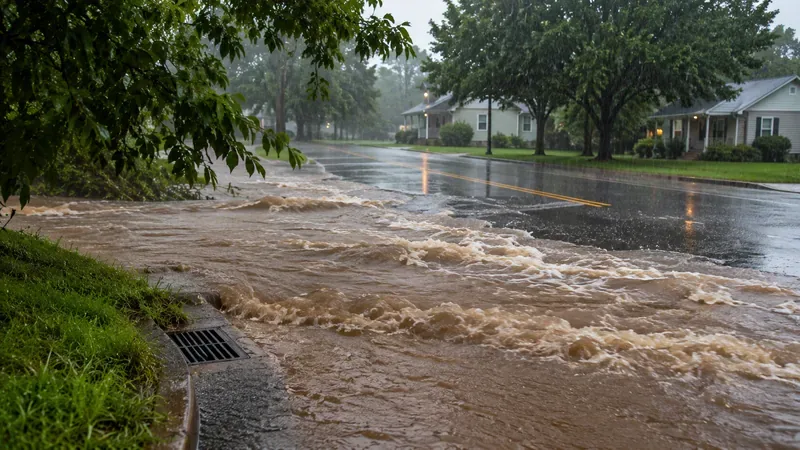
A flash flood is an unusually rapid rise of water into areas that are normally dry, or a rapid surge in streams and creeks. According to the NWS glossary, flash flooding often begins within six hours of a triggering event, although the practical threshold can vary by region. Triggers can include intense rainfall, a dam or levee failure, or other sudden releases of water.
Unlike slower-developing river flooding, flash flooding leaves very little time to recognize conditions, decide on a route, and move away. An alert can be based on reports of flooding already underway or reliable meteorological and hydrologic evidence that dangerous flooding is about to happen. Because forecasts and reports evolve, the precise start and end of hazardous conditions cannot be assumed from a general article.
The official NWS explanation is available at Flood Warning vs. Watch and the more detailed flood alert product guide.
| Alert | What it means | How to interpret it |
|---|---|---|
| Flood watch | Conditions are favorable for flooding. | Stay informed and prepare; flooding is possible, not guaranteed. |
| Flood advisory | Flooding may cause inconvenience or hazards below warning criteria. | Use caution and monitor changes. |
| Flood warning | Flooding is occurring or imminent. | Protect yourself from the specified flooding hazard. |
| Flash flood warning | Rapid, dangerous flooding is occurring, imminent, or highly likely. | Immediate action is needed in exposed locations. |
| Flash flood emergency | An exceptionally severe flash-flood threat to life and property. | Follow urgent emergency instructions without delay. |
These terms describe different levels and kinds of risk, not a fixed sequence that every storm must follow. An area may receive a flash flood warning without residents first seeing a watch. Equally, a watch does not necessarily become a warning.
NWS meteorologists draw on radar estimates, rain gauges, stream observations, reports from emergency responders, and forecast or hydrologic models. Local circumstances matter: steep terrain, burn scars, saturated soil, blocked drainage, and urban pavement can change how quickly rainfall becomes hazardous runoff. The NWS can also issue warnings for imminent or occurring dam and levee failures.
A flash flood warning typically specifies the hazard, affected geographic area, available evidence, expected impacts, and protective guidance. A warning polygon may include only part of a county, a drainage basin, or several communities. Checking the polygon and the text is more precise than relying on a county name or a notification headline alone.
The NWS uses impact-based flash flood warnings with damage-threat categories. These help distinguish more serious situations and communicate the expected consequences. According to its impact-based warning fact sheet, Wireless Emergency Alerts for flash flooding are limited to warnings carrying considerable or catastrophic damage-threat tags.
Therefore, not receiving a loud phone notification does not mean there is no flash flood warning or no danger in your location. Phone settings, signal coverage, and alert distribution also affect what you receive. A “flash flood emergency” identifies an unusually grave situation, rather than a routine synonym for all flash flood warnings.
Rainfall far upstream can move into a creek, canyon, wash, or small river and send a surge downstream. In cities, paved surfaces quickly route runoff into streets and underpasses. In mountainous or recently burned terrain, water and debris can accelerate down slopes. These mechanisms explain why the NWS says flash flooding is possible even where rain is not immediately falling.
The danger is not limited to standing water. Moving water can undermine pavement, conceal missing road surfaces, and sweep vehicles away. Low-water crossings and underpasses are particularly deceptive because depth and current are difficult to judge from a distance.
Start with the issuing NWS office's warning text and map: identify whether your location is inside the warned area, the stated cause, specific places at risk, and the listed expiration time. An expiration time is when the current product is scheduled to end unless extended or replaced; it is not a promise that every road and stream will be safe immediately afterward.
For live alerts and location-specific forecasts, consult weather.gov, your local NWS office, and local emergency management. Conditions can shift quickly, and evacuation instructions from local authorities take precedence over generic descriptions. The NWS's guiding phrase for flooded roads is “Turn Around, Don't Drown.”
Flooding may spread, intensify, or subside depending on rainfall, terrain, water flow, and infrastructure. The NWS may issue follow-up statements, extend the warning, change the impact information, or let it expire as evidence develops. These are conditional possibilities, not predictions for a particular place on November 12, 2026.
Even when a warning expires, flooded roads, unstable ground, contaminated water, and damaged infrastructure may remain unsafe. Check official local instructions before returning to an affected area. For a detailed response checklist, consult Ready.gov's flood guidance; the central purpose here is to explain what the alert itself communicates.
No. It means dangerous flash flooding is occurring, imminent, or highly likely somewhere in the warned area. Your individual exposure depends on your exact location and terrain, but the warning requires prompt attention.
Yes. A watch says conditions are favorable; a warning signals an immediate or developing danger requiring action.
Not every flash flood warning qualifies for a Wireless Emergency Alert. NWS impact-based rules focus those alerts on considerable or catastrophic threats; delivery and device factors also matter. Always verify local warnings directly.
Brent rose about 3.2% on November 12 as a sharp late-session reversal followed President Trump’s Iran comments. Here is what the move may mean for the next session.
Broadcom rose 5.5% on Nov. 12 as investors saw a possible opening for rival AI-chip suppliers after Nvidia’s leadership shock. Here are the confirmed context and next-session scenarios.
NAB’s Fair Work Ombudsman undertaking covers 65,999 current and former workers. Learn what remediation means, who may qualify and how to check your records.
Download Festival’s first 2027 lineup reveal was scheduled for November 12 at 9 p.m. GMT. Here are the confirmed dates, venue, and reliable ways to check the bill.
Watch England and UEFA Nations League games on ITVX: ITV1 live steps, November fixtures, UK TV Licence rules, devices, and streaming restrictions.
BA Cityflyer will end its London Stansted weekend services after 11 April 2027. Check your route, airport, dates and rebooking options before booking.
A flash flood warning means dangerous flooding is imminent or underway. Learn how NWS warnings differ from watches, phone alerts, and emergencies.
A flash flood warning means flooding is occurring or imminent. Learn how to get to higher ground, avoid dangerous roads, and protect yourself.
Outlook access problems were reported across the Americas on Nov. 12. Check Microsoft service health, identify an outage, and troubleshoot your connection.
Microsoft confirmed Outlook and Exchange Online disruptions on Nov. 12, 2026. Here's how Canadians can check service status and manage email delays.