Kawaii Halloween Decor Without Gore or Jump Scares

Create a gentle Halloween look with pastel colors, friendly ghosts, easy no-carve accents, and practical safety tips for your home.
Astronauts Butch Wilmore and Suni Williams set off on a brief, 10-day mission to the International Space Station on June 5, 2024. But a thruster failure turned their journey into an unexpected odyssey that lasted 286 days. Their extended stay made them one of NASA’s longest-serving astronauts on a single mission.

So what exactly happens to the human body after spending nearly nine months in space? It turns out the effects are pretty amazing, and you don’t have to be a scientist to appreciate them. Here’s what happens when the human body is exposed to zero gravity for an extended period of time.
Body changes after 9 months living in space
Spending long periods in space weakens the immune system, making astronauts more susceptible to infections. Changes in immune cell function and reactivation of latent viruses are common, making it important to monitor astronaut health and develop treatments.
On Earth, gravity pulls fluids downward, but in space, they shift toward the upper body, leading to a puffy face and a feeling similar to having a constant cold. This redistribution of fluids in the body can also increase pressure inside the skull, causing vision problems.

Without gravity compressing the spine, astronauts can grow up to 3% taller in the first few days of weightlessness. The spine elongates as the pressure is reduced, but when they return to Earth, gravity returns them to their normal height within a few days.
Astronauts can experience spaceflight-associated optic neuropathy, which causes vision problems during and after long missions. Fluid shifts can increase pressure on the optic nerve, leading to swelling and changes in the shape of the eyeball. While some effects are temporary, there are long-term vision concerns.
Without the need to fight gravity, the heart’s workload decreases, which can cause a loss of heart muscle mass. This can easily lead to low blood pressure and dizziness when astronauts return to Earth. Fortunately, most astronauts recover with proper rehabilitation over time.

In microgravity, muscles don’t have to fight gravity, which leads to muscle atrophy. Astronauts can lose up to 20% of their muscle mass in just a few days if they don’t exercise regularly. To combat this, they exercise for about two hours a day using specialized equipment, but some muscle loss is inevitable. So rehabilitation is a must when they return to Earth.
Astronauts are exposed to higher levels of cosmic radiation when outside Earth's protective atmosphere, which increases the risk of cancer and potential cognitive impairment. Although the ISS provides some shielding, long-term missions still pose significant radiation risks.
Bones depend on gravity to maintain their strength. Without gravity, astronauts lose significant bone density, especially in their hips and legs. They lose about 1% of their bone mass each month, a much higher rate than older people on Earth. This makes astronauts more susceptible to fractures.
So, space travel is not only about exploring the galaxy but also about learning how the body reacts to extreme conditions.
Create a gentle Halloween look with pastel colors, friendly ghosts, easy no-carve accents, and practical safety tips for your home.
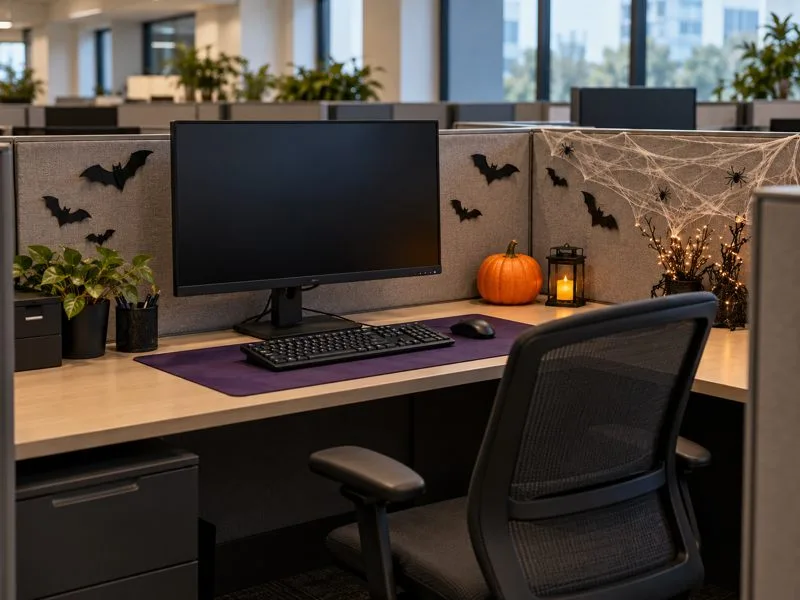
Create a spooky office cubicle with Halloween desk decor ideas that keep your workspace usable, tidy, and mindful of workplace safety.
Plan a recognizable Halloween 2026 look with pop culture costumes inspired by Spider-Man, Supergirl, Toy Story 5, Moana, Mario, and Wednesday.
Sort leftover Halloween candy safely, share or repurpose sealed treats, and choose food use or compost for pumpkins based on their condition.
Compare workplace Halloween costume choices by respect, dress code, mobility, and safety—and learn when a subtle accessory or a policy check is the better option.
Find a couples costume that fits your style, budget, and comfort level, from Addams Family classics to original inside-joke duos.
Need a last-minute high school Halloween costume? Compare 10 easy closet-based ideas by prep time, comfort, school-day practicality, and simple safety checks.
Use a simple 2026 Halloween decorating timeline for indoor décor, outdoor displays, and fresh pumpkins, with practical adjustments for weather and events.
Mix five vivid, approachable Halloween cocktails with measured recipes, simple prep tips, and an alcohol-free option for your party guests.
Find 15 office-friendly Halloween costume ideas for 2026, with practical checks for dress codes, respectful themes, comfort, and workplace safety.