15 HR-Approved Office Halloween Costumes for 2026

Find 15 office-friendly Halloween costume ideas for 2026, with practical checks for dress codes, respectful themes, comfort, and workplace safety.
A costume can make an office Halloween more fun without making colleagues uncomfortable or disrupting the workday. Treat “HR-approved” as a practical filter, not an official certification: no single costume list is approved for every employer. Check your organization’s event notice and dress code, then choose an idea that is recognizable, comfortable, and easy to remove.
The 15 ideas below use ordinary clothes or small accessories. They avoid common workplace pitfalls such as offensive stereotypes, realistic weapons, restrictive masks, unsafe footwear, and outfits that interfere with meetings or job duties. If you wear a uniform, meet clients, or work around hazards, follow those requirements first.
Before buying or assembling an outfit, check four things:
The EEOC explains that federal law prohibits workplace harassment tied to protected characteristics and provides employer guidance on respectful policies and reporting channels. It does not publish a universal Halloween costume checklist. For costume and décor safety, the U.S. Consumer Product Safety Commission recommends well-fitting outfits that do not drag and advises checking labels for flame-resistant materials. OSHA’s personal protective equipment guidance also reminds employers and workers to account for workplace hazards; a costume must never replace or interfere with required protective gear.
Wear a neutral blazer or trench-style coat, plain trousers, and a lightweight magnifying glass. Keep the character fictional rather than imitating a colleague, law-enforcement officer, or current criminal case. Skip toy weapons and anything that blocks peripheral vision.
Pair regular work clothes with a star-patterned scarf or small, soft wizard hat. A clipboard with a harmless forecast chart can complete the idea. Avoid long robes and dangling accessories that snag on chairs or equipment.
A black-and-yellow striped sweater and simple antenna headband create an easy look. Choose a headband that stays secure and works with your headset. Skip wings if you work in narrow aisles or handle equipment.
Use a dark blazer with a red tie or scarf. Keep makeup minimal and avoid fake blood, speech-restricting fangs, or a cape that trails near wheels and chairs.
Wear a casual button-down, comfortable shoes, and a compact camera-shaped badge or paper map. Do not turn cultural or religious clothing into a punchline, and leave oversized props at home.
Put a small “Error 404: Costume Not Found” card on a plain sweater. The joke refers to a familiar web error, not a person or group. Remove it for customer-facing work if needed.
Choose a fictional character and signal it with one or two details, such as a colored scarf or signature hat. Avoid an imitation that depends on race, disability, or an accent. Pick a character colleagues can recognize without a long explanation.
Black clothing and a small cat-ear headband keep this costume understated. Choose soft, low-profile ears and skip a tail if it could catch on a chair or cart.
Add a small red cap and plain vest over everyday clothes. Avoid long beards that obstruct vision or interfere with a respirator or other protective equipment.
Wear a dark sweater with a few star-shaped pins and carry a compact notebook. This is a subtle option for workplaces where costumes are optional. Use pins only where permitted, and place them where they will not snag.
Choose a bright cardigan, sweater, or tie and add a small “Highlight of the Day” label. If your job requires high-visibility clothing that meets a safety standard, do not substitute a costume garment.
Use a cream outfit and striped scarf to suggest bandages instead of wrapping yourself in loose gauze. Keep arms free and avoid portraying a real medical condition as a joke.
A black top, comfortable trousers, and notebook suggest a director without elaborate props. A lightweight clapboard is optional; do not use it during calls or in shared work areas.
Wear regular work clothes with a small cloud or sun pin and a simple forecast card. Keep the joke about weather, not a colleague or real emergency. Leave umbrellas and bulky props out of indoor walkways.
Wear a white sweater or sheet-inspired capelet over regular clothes rather than covering your face with a sheet. Keep vision clear and hands free. A small ghost pin is an even simpler option when the dress code is strict.
A good office costume is understandable at a glance, comfortable for a normal workday, and unobtrusive in shared spaces. You should be able to sit at your desk, use your equipment, and join a meeting without changing the outfit or explaining away a risky joke. If coworkers raise a concern, consider the feedback and adjust the costume.
Run a quick fit check the day before: walk stairs, sit in your usual chair, reach for a shelf, and see whether anything snags or slides. Confirm shoes meet your workplace rules. If you handle machinery, food, chemicals, patients, or secure equipment, the outfit must not interfere with required protective gear or hygiene procedures.
Choose a themed sweater, small pin, or color-coordinated outfit if costumes are optional, rules are unclear, or your schedule includes external meetings. Ask your manager or HR contact about a mask, prop, slogan, makeup, or costume tied to a real group or person. A removable accessory is often easier to adjust than a full outfit.
Policies vary by employer, location, role, and event. “HR-conscious” here means designed to be conservative and respectful; it does not mean your company’s HR team has reviewed or endorsed these specific ideas. Employers can set workplace rules, while applicable employment and accommodation laws may also affect how those rules apply. Follow the written policy and ask the designated contact when uncertain.
Find 15 office-friendly Halloween costume ideas for 2026, with practical checks for dress codes, respectful themes, comfort, and workplace safety.
Plan a fun elementary school Halloween party with easy crafts, games, inclusive treats, costume tips, and a sample 75-minute classroom schedule.
Compare realistic side hustles for 2026 by startup cost, fees, flexibility, and income control, with current tax and scam guidance from official sources.
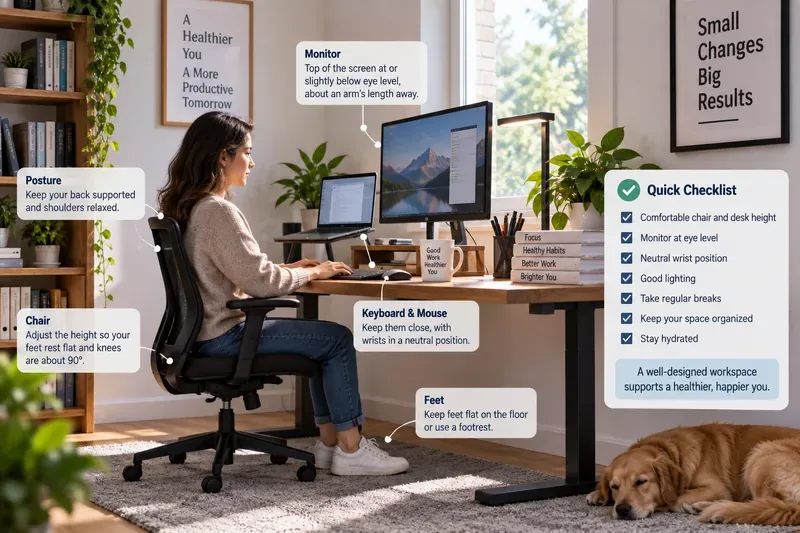
Upgrade your home office ergonomics with current OSHA and NIOSH guidance on chair fit, monitor height, laptop setup, lighting, and movement.
Learn why emotional intelligence matters in leadership, where it helps most, how to strengthen it, and how to tell whether your approach is working.
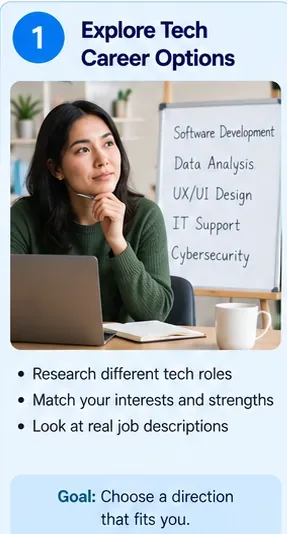
A practical roadmap for moving into tech without a degree: choose an accessible role, build job-ready skills, prove them with projects, and use hiring feedback to improve.
Build a credible LinkedIn personal brand in 2026 with current profile, content, newsletter, analytics, verification, and visibility guidance from LinkedIn.
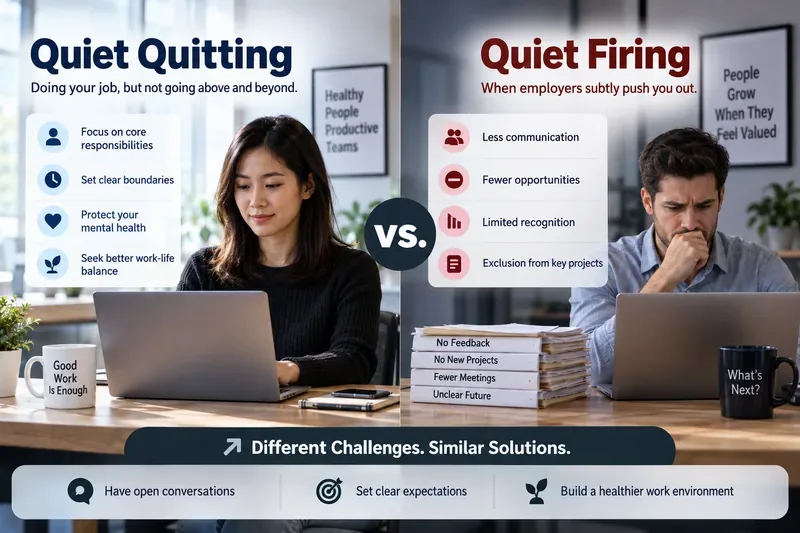
Quiet quitting and quiet firing are catchy labels, not diagnoses. Learn what is verified, what depends on context, and what employees and managers can do next.
Fractional executives offer senior leadership without a full-time hire. Learn when the model works, what to ask, and the risks to manage.
Prepare a stronger Q4 raise request with current wage data, timing options, compensation tradeoffs, and scripts for yes, partial, or no outcomes.