Why WTI Fell While Natural Gas Rose Today — November 9, 2026
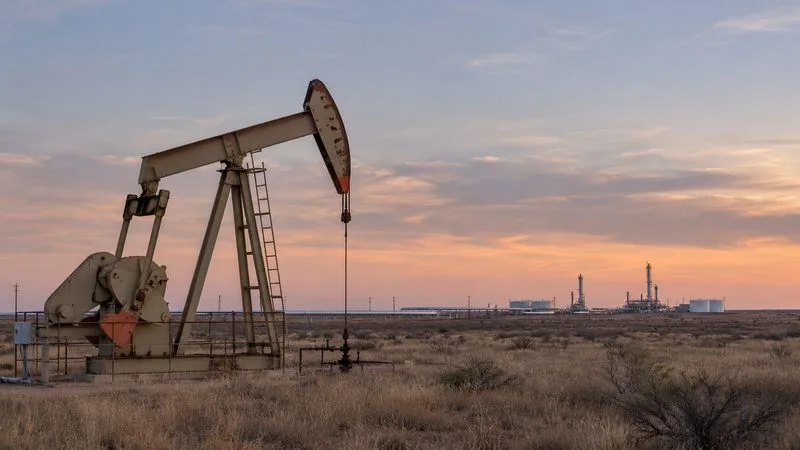
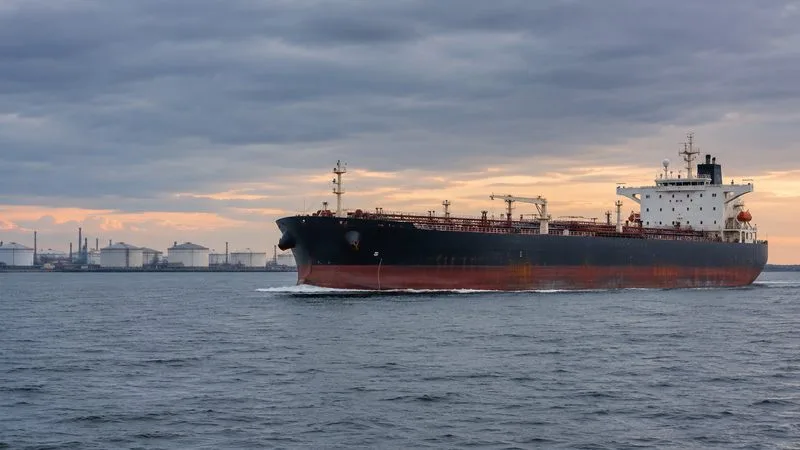
WTI futures fell 4.9% as hopes for fewer U.S. strikes on Iran eased oil risk premiums; Henry Hub gas rose 6.9% on colder forecasts and short covering.
Verified November 10, 2026, at 01:09 UTC (UTC+00:00).
Liquidation is the process of winding up a company’s affairs, turning its available assets into money, and distributing that money according to legal priorities. In Australia, a liquidator takes control of the process; when it is finished, the company is generally deregistered and ceases to exist.
For an insolvent company—one unable to pay its debts when they fall due—liquidation can mean the business closes, employees lose their jobs, and creditors receive only part of what they are owed. The outcome depends on the company’s assets, the costs of the process, and the legal rights attached to each claim.
Destaques
Liquidation is an orderly process for bringing a company’s affairs to an end. Its assets might include cash, stock, equipment, property, intellectual property, or money owed to it by customers. The liquidator identifies what belongs to the company, deals with its obligations, and distributes any available proceeds.
In an insolvent liquidation, the liquidator acts for the benefit of creditors as a whole. The company’s directors no longer control its affairs, although they must cooperate with the liquidator. The liquidator may continue trading for a limited time if doing so helps the winding up, such as by making a sale of the business possible. A sale of the business does not mean the original company itself has been rescued.
The Australian Securities and Investments Commission (ASIC) describes the liquidator’s responsibilities as protecting and selling assets, investigating the company’s affairs, and distributing available money. See ASIC’s guide to liquidation.
Although the details vary, an insolvent liquidation commonly follows these steps:
There is no single reliable timetable for every liquidation. A straightforward case may be completed sooner than one involving disputed claims, difficult asset sales, or litigation. ASIC explains the closing process in its guide for creditors.
A company may enter liquidation because it cannot pay debts as they fall due and there is no viable way to resolve its financial position. Cash-flow problems, declining sales, rising costs, or an unsuccessful restructuring can contribute, but the reasons depend on the individual business.
Liquidation is not limited to failed businesses. Owners may choose to wind up a solvent company—for example, when it has completed its purpose and can pay its debts. In a members’ voluntary winding up, the directors make a declaration about the company’s ability to pay its debts. ASIC outlines the requirements for winding up a solvent company.
There is no universal payout for everyone owed money. Rights over particular assets, liquidation costs, statutory priorities, and the amount recovered all affect the result. In general terms:
For example, a supplier owed A$10,000 might receive only a portion if the company has insufficient funds for all unsecured claims. The figure cannot be calculated from the debt alone: the amount recovered, higher-ranking claims, and the total accepted claims matter. An unsecured creditor’s share is often called a dividend.
In most cases, liquidation ends employees’ jobs. Certain unpaid employee entitlements receive priority, but priority does not guarantee that the company has enough money to pay them in full. Eligible employees who lose their jobs because of liquidation may be able to obtain help through the Australian Government’s Fair Entitlements Guarantee. The scheme covers certain entitlements subject to eligibility rules and limits; it does not cover unpaid superannuation. The Fair Work Ombudsman explains the scheme’s coverage.
Directors must hand over company records and cooperate with the liquidator. The liquidator investigates the company’s affairs and reports suspected offenses to ASIC. A company’s liquidation does not automatically make a director personally bankrupt, but personal obligations can remain—for example, under a personal guarantee or where a director is otherwise legally liable. ASIC discusses the distinction in its guide to personal bankruptcy and company liquidation.
Liquidation focuses on winding up the company. Voluntary administration is a separate process in which an administrator investigates the company’s position and considers options for its future. Those options may include a deed of company arrangement, a return to the directors’ control, or liquidation, depending on the circumstances and creditors’ decision.
Receivership is different again: a receiver is commonly appointed to deal with assets subject to a secured creditor’s security. A company can be in receivership and liquidation at the same time. ASIC’s insolvency overview describes these procedures.
No. An insolvent company can be liquidated because it cannot pay its debts when due, but a solvent company can also be wound up voluntarily.
A liquidator may trade the business temporarily to assist the winding up. The company is generally deregistered after the process is completed.
No. In Australia, liquidation concerns a company; bankruptcy is a personal insolvency process. A director’s personal position depends on their own circumstances and obligations.
WTI futures fell 4.9% as hopes for fewer U.S. strikes on Iran eased oil risk premiums; Henry Hub gas rose 6.9% on colder forecasts and short covering.
Brent fell on Nov. 9 as traders repriced the Iran-war premium. See what the ICE settlement and Yahoo BZ=F snapshot show, plus the next-session risks.
Tesla and Meta rose about 5% on Nov. 9 as U.S. stocks rebounded. See the verified market backdrop, possible company catalysts, and what to watch in the next session.
US stocks rallied on November 9 as oil prices fell. See the Russell 2000, Nasdaq, S&P 500 and VIX moves and what could shape the next session.
Broadcom rallied on November 9, 2026, amid a rebound in AI-related stocks. Explore the evidence, unconfirmed close and scenarios for the next session.
Fall Out Boy will play Glasgow, Manchester and London in 2027. Check the announced dates, UK ticket sale times and official sources.
Find official Plymouth Parkway and Berkhamsted fixtures, follow their FA Cup meeting, and check scores, postponements, and match details.
The 2026–27 FA Cup second-round draw has taken place. See selected ties, where to find the full draw and what happens next.
Starbucks Bearista Surprise Boxes arrive November 10. See the $39.95 price, five possible characters, purchase limits and practical shopping tips.
Starbucks plans to launch three Snowcap Marshmallow drinks on December 1. See what is in the mocha, matcha and hot chocolate.