Back Up and Restore HamoniKR Settings Without Missing Hidden Files
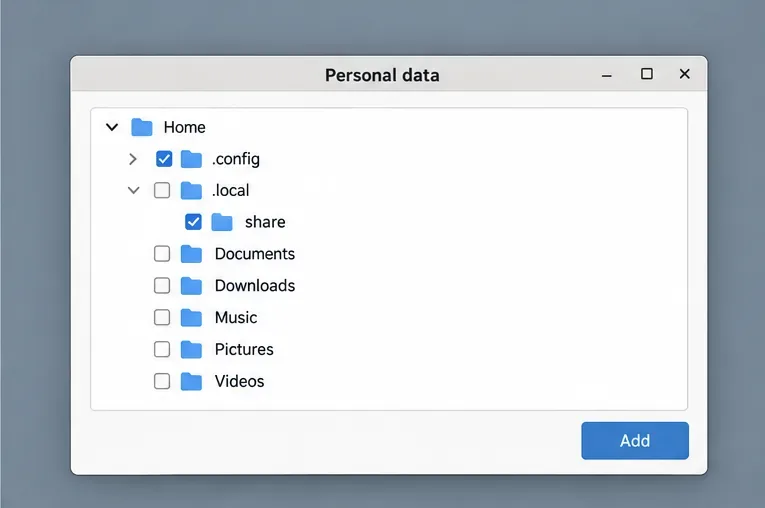
Save HamoniKR preferences to external storage, include hidden home folders, and choose a safe restore mode when moving to a fresh installation.
Deleting the hidden "$Windows.~BT" folder and reclaiming gigabytes of space on your hard drive is tempting. But what does this cryptically named folder do, and how important is it to your Windows installation?
What is the “$Windows.~BT” folder? Should I delete it?
Windows creates a "$Windows.~BT" folder when you upgrade your operating system to a newer build. This folder contains all the files needed for the upgrade, such as temporary installation files and logs from previous Windows installations.
Windows automatically deletes the "$Windows.~BT" folder after 10 days. Since manually deleting this folder will delete your old Windows installation files, you won't be able to go back to your previous Windows build using the Go back option in the Recovery menu during that time (for example, to downgrade from Windows 11 to Windows 10 ). Therefore, you should only remove this folder if you're happy with the current Windows build on your PC. You can also safely delete the larger folder if Windows doesn't do it automatically after the grace period.
But you shouldn't delete this hidden folder like any other folder on your desktop. Instead, you should turn to the Disk Cleanup tool or Command Prompt.
How to find and delete the "$Windows.~BT" folder
Since "$Windows.~BT" is a hidden folder, you need to configure Windows to show hidden files and folders in order to find it in File Explorer. Once you do, the C:\$Windows.~BT folder will be visible.
However, you can't delete the "$Windows.~BT" folder directly. To do so, you'll need to run the Disk Cleanup tool. Here's how:
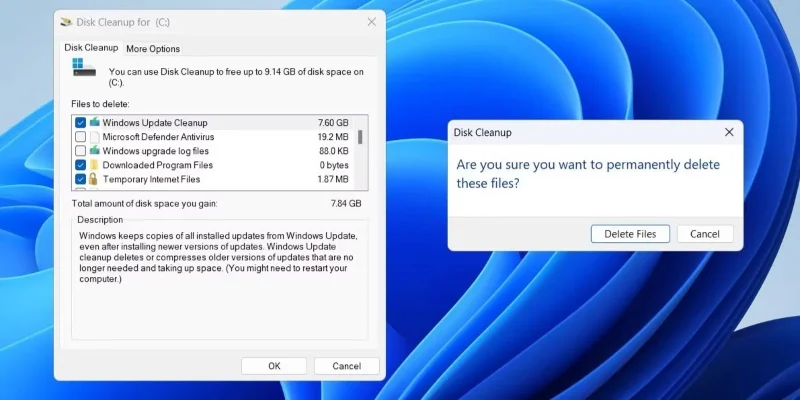
If the "$Windows.~BT" folder is visible even after running the Disk Cleanup tool, you will need to execute some commands in Command Prompt. To do that, open Command Prompt with admin rights and then run the following commands one by one.
takeown /F C:\$Windows.~BT\* /R /A
icacls C:\$Windows.~BT\*.* /T /grant administrators:F
rmdir /S /Q C:\$Windows.~BT\
When you run the above commands, the "$Windows.~BT" folder will be permanently deleted.
Now that you understand the purpose of the "$Windows.~BT" folder, you can decide how to deal with it. In addition to the "$Windows.~BT" folder, you may also encounter folders like "Windows.old", "$WinREAgent", "$SysReset" and others that can also be safely deleted using the Disk Cleanup tool.
Good luck!
See more articles below:
Save HamoniKR preferences to external storage, include hidden home folders, and choose a safe restore mode when moving to a fresh installation.
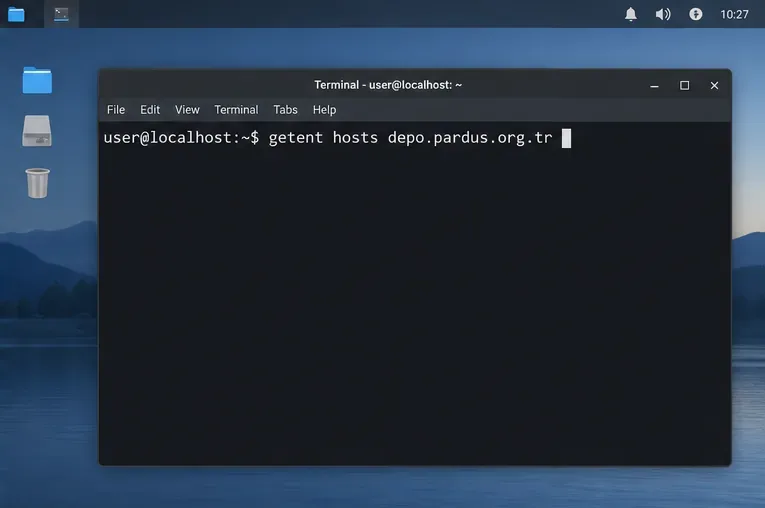
Install and configure xrdp on Pardus, choose the right Xfce session, restrict network access, and verify that remote login works.
Diagnose Pardus 23 APT connection failures, confirm the official yirmiuc sources, and restore apt update without bypassing package signature checks.
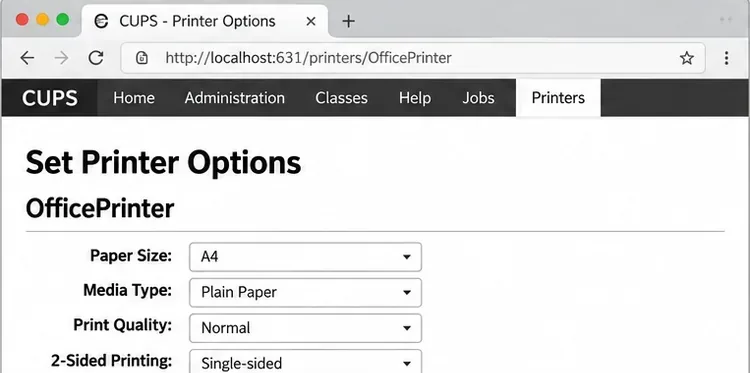
Configure printers on Harmonica OS using CUPS, compare driverless IPP with legacy drivers, and verify USB or network printing with a test page.
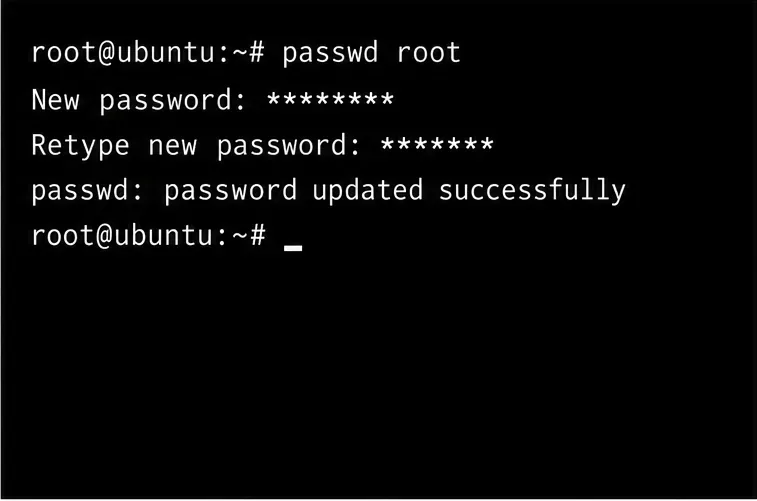
Use a recovery shell to set a new Harmonica OS root password, with checks for encrypted disks, read-only filesystems, and accounts that use sudo.
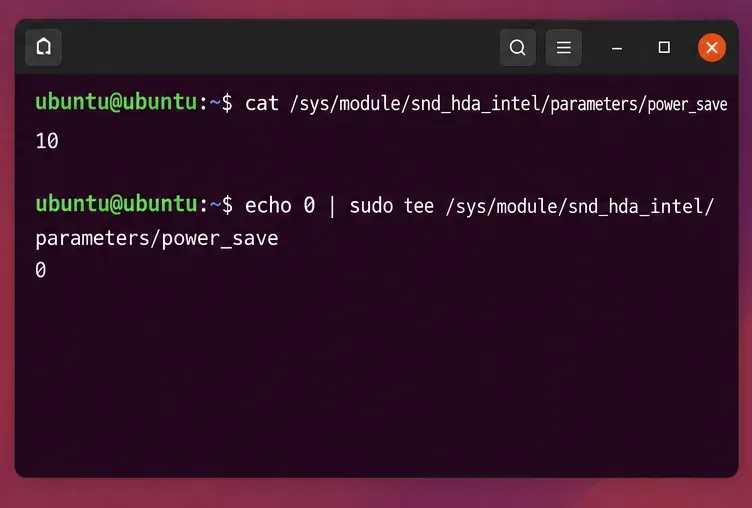
Trace whether clipping, ALSA format conversion, or HDA power saving is causing Ubuntu 24.04 audio distortion, then apply the matching reversible fix.
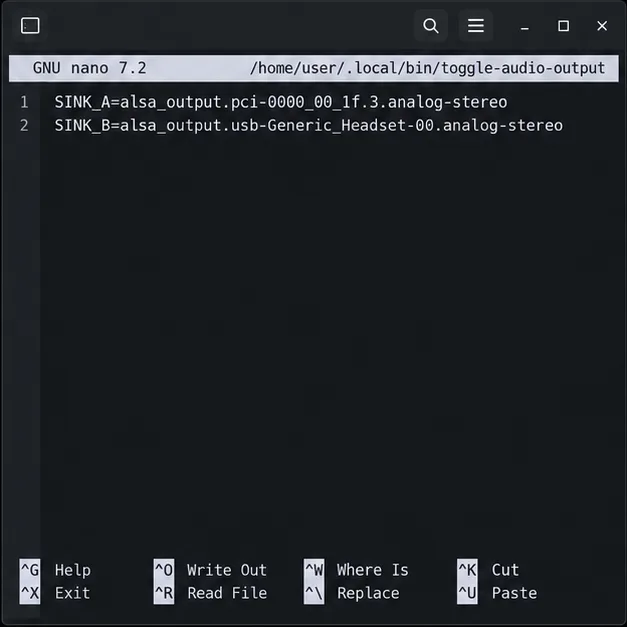
Switch Debian audio between named PipeWire outputs with a pactl script that updates the default sink and reroutes streams already playing.
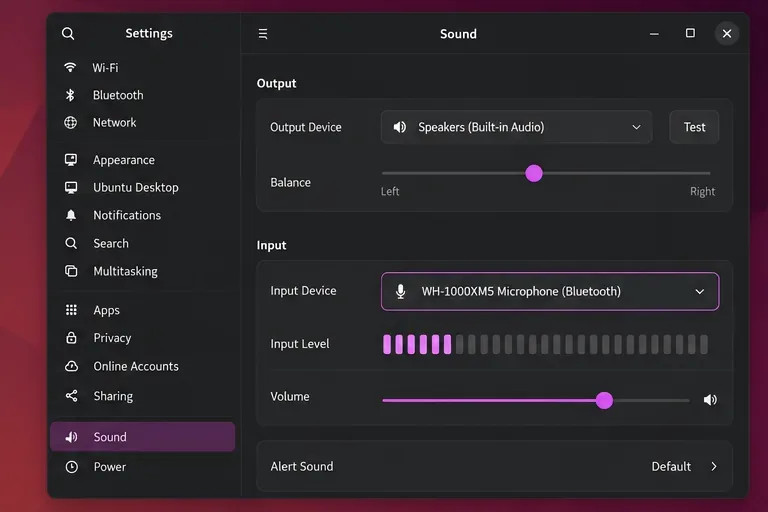
Get your Bluetooth headset mic working by selecting the right input, using a hands-free audio profile, and checking Ubuntu’s PipeWire route.
Learn why Flatpak apps may ignore Ubuntu 24.04 GTK themes and follow safe steps to check theme extensions, refresh Flatpak apps, and diagnose portal issues.
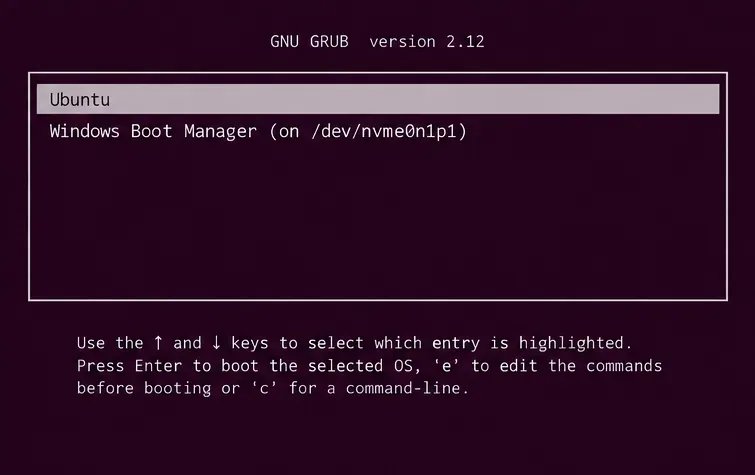
Install Ubuntu 24.04 alongside Windows 11 with BitLocker safely. Compare separate-drive and shared-drive paths, recovery keys, partitioning, and boot checks.