Back Up and Restore HamoniKR Settings Without Missing Hidden Files
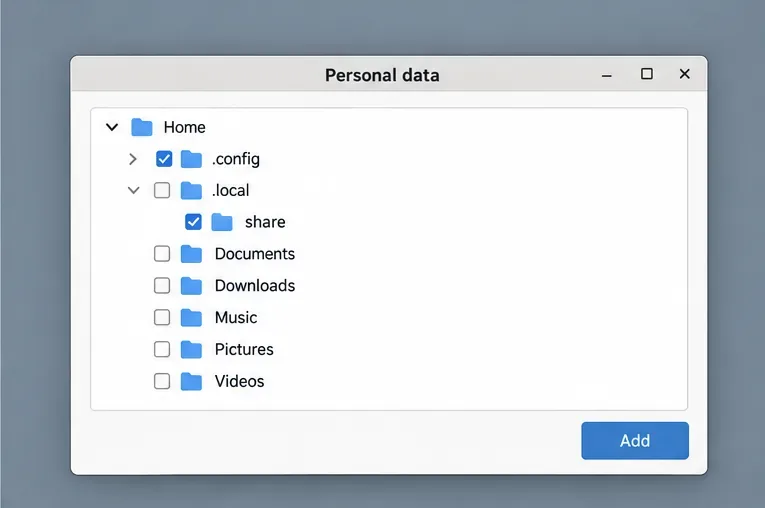
Save HamoniKR preferences to external storage, include hidden home folders, and choose a safe restore mode when moving to a fresh installation.
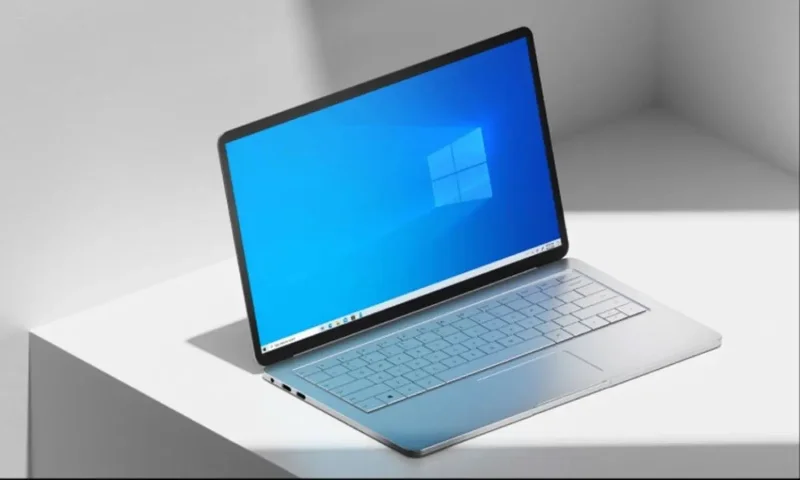
Windows 11 is officially out, and now it's time to ask yourself how long you can safely continue using Windows 10 , with constant security updates from Microsoft. Here's the detailed answer.
Table of Contents of the Article
Microsoft has updated its official documentation to specify the end of support date for Windows 10. Accordingly, the company will only maintain support for Windows 10 Home, Windows 10 Pro, Windows 10 Enterprise, and Windows 10 Education editions until October 14, 2025.
After this time, users of the above Windows 10 versions will no longer receive any support services or important security updates from Microsoft.
After Windows 10 support ends, you will need to upgrade to Windows 11 to continue receiving essential security updates for your system. In today's globalized internet world, these updates are essential to maintaining personal privacy and data security for users.
To ensure safety and experience, Microsoft always recommends users to update to the latest version of Windows as soon as possible. Microsoft also has a policy of forcing users' systems to update themselves if the version of Windows they are using is too old.
As mentioned above, Windows 10 Home, Pro, Education, Enterprise, and IoT Enterprise will no longer receive security updates after October 14, 2025.
However, Windows LTSC, a specialized version of Windows for businesses that need long-term support, will continue to receive updates for a few more years after that. Specifically, Windows 10 2019 LTSC and Windows 10 IoT 2019 LTSC will stop receiving security updates on January 9, 2029.
In general, once security updates stop rolling out, users are at a higher risk of security issues. Any new vulnerabilities found in Windows 10 after the end-of-life date may not be patched by Microsoft (although there have been rare exceptions). So it’s best to upgrade to Windows 11 before October 2025. On the plus side, Windows 11 includes a lot of useful new features , and it’s not a difficult upgrade.
Windows 10 won't stop working after October 14, 2025, even if Microsoft stops providing security updates. That means you can technically continue using the operating system as usual, but it's generally not a good idea.
With sophisticated phishing attacks, remote exploits, and ransomware becoming more prevalent, risking personal data by using an unsupported operating system is clearly not advisable.
Quantrimang will continuously update information related to Windows for your convenience.
Microsoft has announced that commercial and educational organizations can pay a subscription fee to continue using Windows 10 after 2025. Currently, Microsoft has not announced a pricing structure for extending support for this version of the operating system.
Commercial and educational organizations can enroll their PCs in the Windows 10 Extended Security Update (ESU) program. Business customers will pay $61 per device in the first year, $122 in the second year, and $244 in the third year. The total cost is $427 for three years of Windows 10 support. Microsoft says there will be special pricing for nonprofits.
Additionally, education customers will pay $1 per device for the first year, $2 for the second year, and $4 for the third year, for a total of $7 to get three years of Windows 10 support for education devices.
And business customers who use Microsoft's cloud-based update management solutions like Microsoft Intune or Windows Autopatch will get a 25% discount, which reduces the subscription fee to $45 per device for the first year.
Customers can sign up for the Windows 10 ESU program starting October 2024. While the Windows 10 ESU licensing fee is low for educational customers, business customers will have to pay a hefty sum to get support after 2025. In such a scenario, commercial organizations that have to pay a hefty sum will likely have to migrate to Windows 11. However, the new hardware requirements for Windows 11 make many Windows 10 PCs incompatible.
Many believe that Microsoft has kept its subscription fees high because it wants businesses and consumers to switch to Windows 11. According to Statcounter, Windows 10 is still running on 69% of desktops, while Windows 11 is only at 26%.
Save HamoniKR preferences to external storage, include hidden home folders, and choose a safe restore mode when moving to a fresh installation.
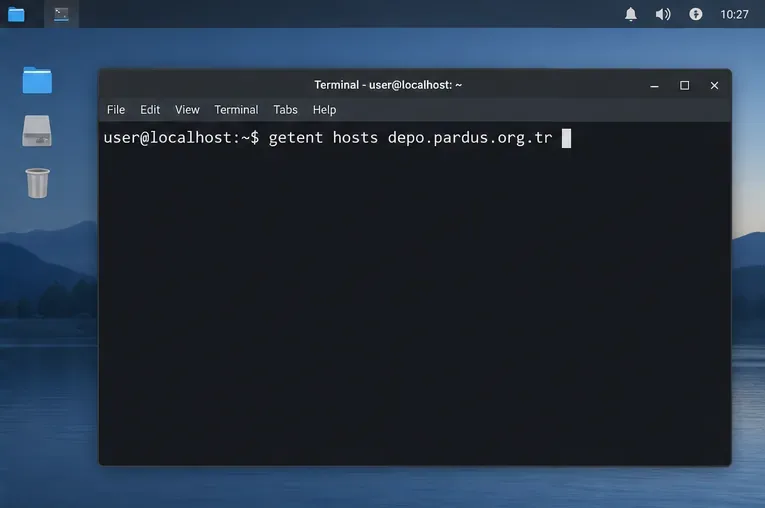
Install and configure xrdp on Pardus, choose the right Xfce session, restrict network access, and verify that remote login works.
Diagnose Pardus 23 APT connection failures, confirm the official yirmiuc sources, and restore apt update without bypassing package signature checks.
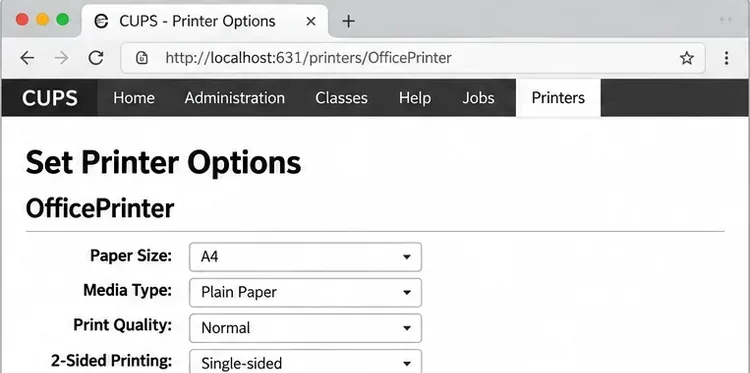
Configure printers on Harmonica OS using CUPS, compare driverless IPP with legacy drivers, and verify USB or network printing with a test page.
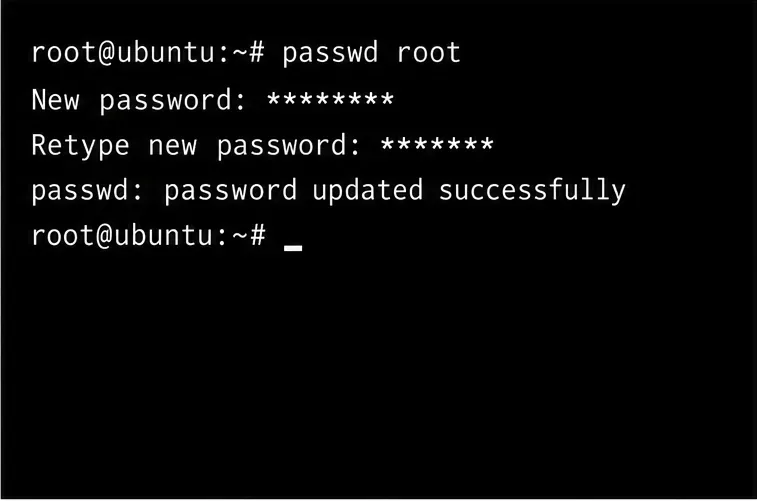
Use a recovery shell to set a new Harmonica OS root password, with checks for encrypted disks, read-only filesystems, and accounts that use sudo.
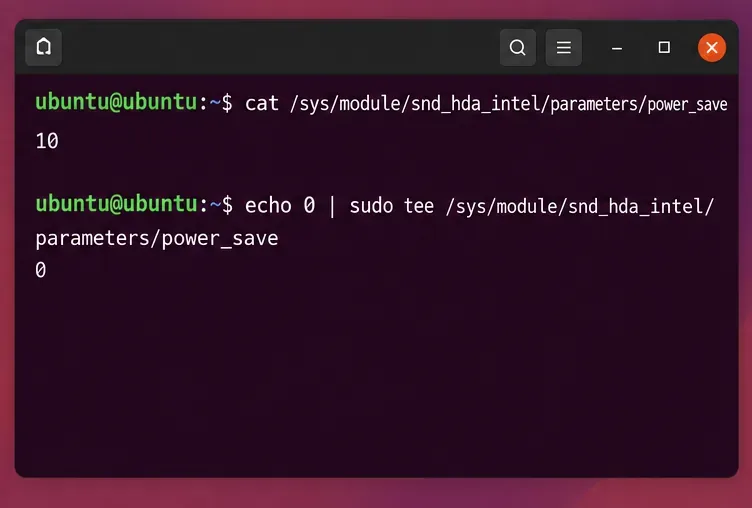
Trace whether clipping, ALSA format conversion, or HDA power saving is causing Ubuntu 24.04 audio distortion, then apply the matching reversible fix.
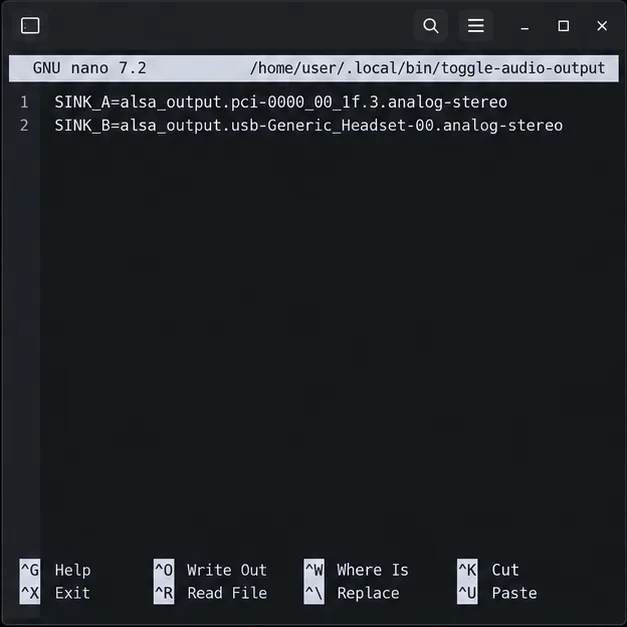
Switch Debian audio between named PipeWire outputs with a pactl script that updates the default sink and reroutes streams already playing.
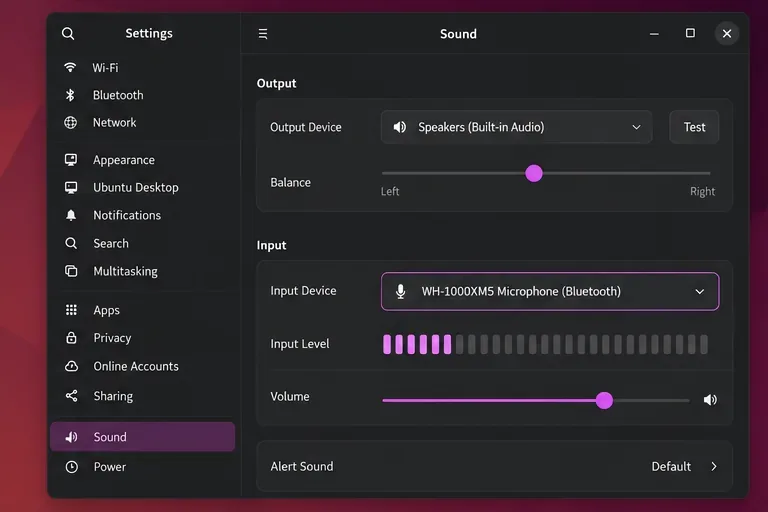
Get your Bluetooth headset mic working by selecting the right input, using a hands-free audio profile, and checking Ubuntu’s PipeWire route.
Learn why Flatpak apps may ignore Ubuntu 24.04 GTK themes and follow safe steps to check theme extensions, refresh Flatpak apps, and diagnose portal issues.
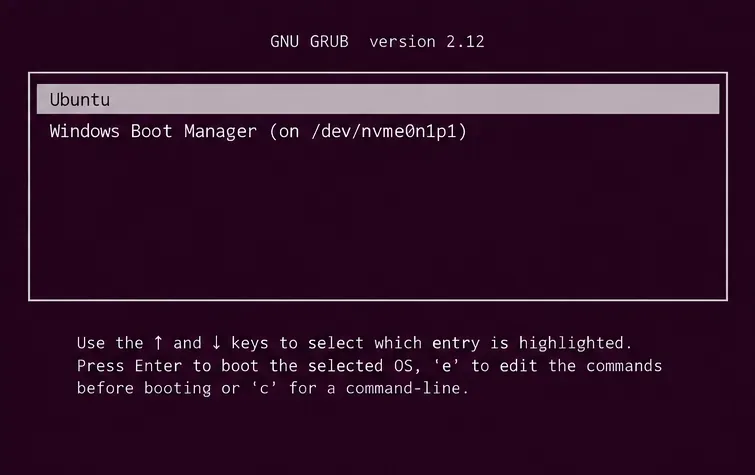
Install Ubuntu 24.04 alongside Windows 11 with BitLocker safely. Compare separate-drive and shared-drive paths, recovery keys, partitioning, and boot checks.