Kawaii Halloween Decor Without Gore or Jump Scares
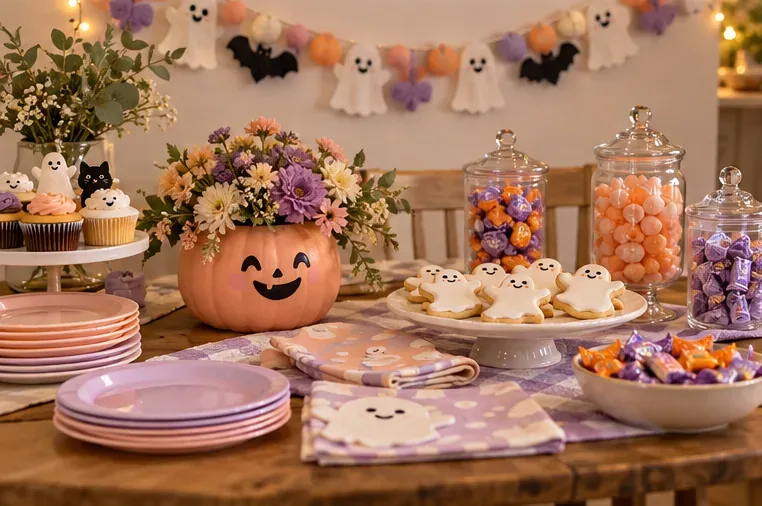
Create a gentle Halloween look with pastel colors, friendly ghosts, easy no-carve accents, and practical safety tips for your home.
Shoebills, great blue herons, and eagles are three birds that have a unique preference for eating crocodiles.
The Shoebill Stork is named after the unusual shape of its beak, which averages 30 cm in length. This unique bird is native to Africa. It is relatively large, with adults measuring 115–150 cm tall, 100–140 cm long, with a wingspan of 230–260 cm and weighing 4–7 kg.
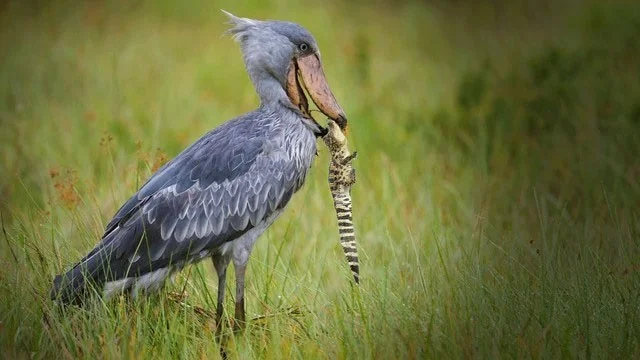
Shoebills are descendants of small-sized "Theropoda" dinosaurs - the same group as T-Rex dinosaurs.
Their main food is fish, but if given the chance, this stork will also eat crocodiles, fish, lizards, snakes, turtles, and even newborn antelopes.
The shoebill's beak is wide and sturdy, curved into a hook shape, so it can pierce crocodile skin. The extremely sharp edges of the beak can easily tear the flesh of its prey. Therefore, this bird is considered a natural enemy of crocodiles, especially baby crocodiles.
2. Great Blue Heron
The great blue heron is a large bird of the heron genus Ardeidae, with an average height of 1.3 metres, a head-to-tail length of about 1.3 metres, and a spread of over 2 metres.
They typically live in open waters and wetlands in North and Central America.
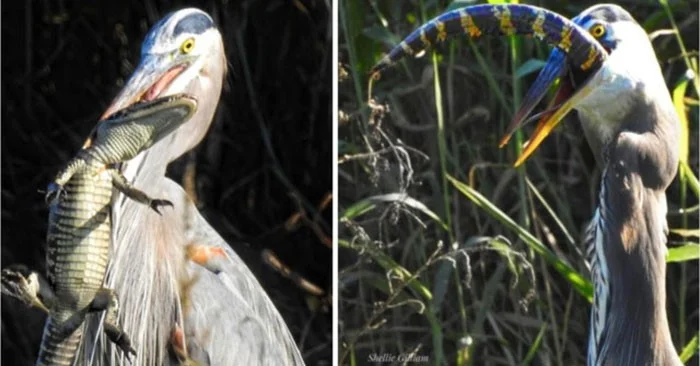
The Great Blue Heron is a deadly predator. It can eat anything that fits in its beak. The favorite foods of this large bird are fish, shrimp, crabs, insects, mice, other small mammals, frogs, snakes, reptiles. Thanks to its very large beak, esophagus and elastic stomach, the Great Blue Heron can also swallow prey as large as baby crocodiles and baby sharks.
3. Eagle
Eagles are top predators on the food chain, they have virtually no natural enemies when in good health.
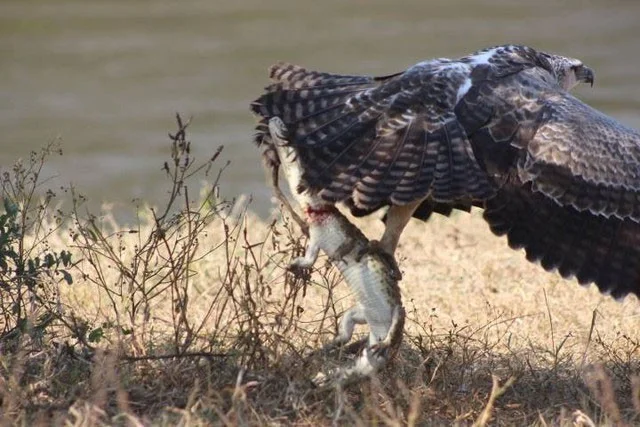
The eagle's diet is very diverse, ranging from reptiles, especially monitor lizards, baby crocodiles and snakes, including venomous snakes, to birds, such as chickens and geese.
Create a gentle Halloween look with pastel colors, friendly ghosts, easy no-carve accents, and practical safety tips for your home.
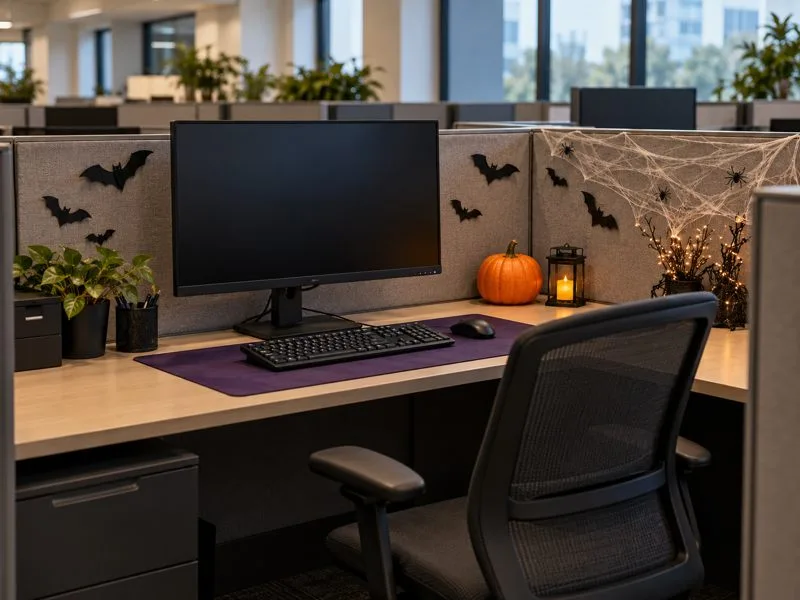
Create a spooky office cubicle with Halloween desk decor ideas that keep your workspace usable, tidy, and mindful of workplace safety.
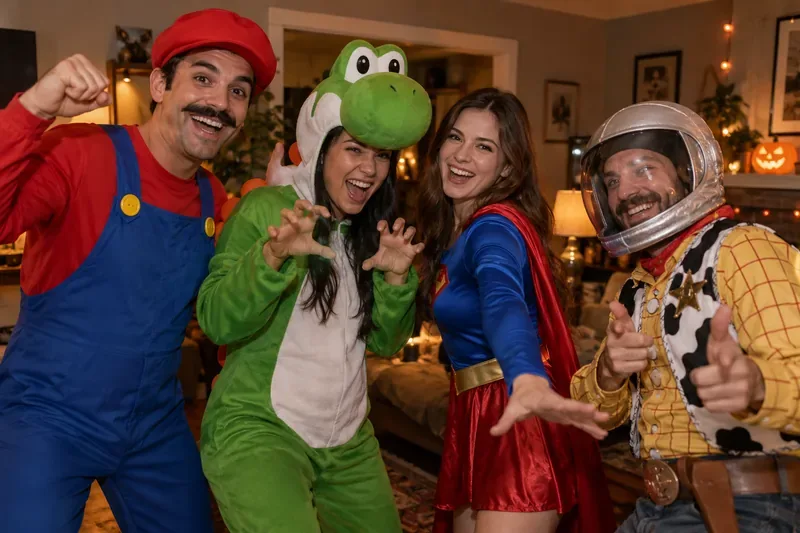
Plan a recognizable Halloween 2026 look with pop culture costumes inspired by Spider-Man, Supergirl, Toy Story 5, Moana, Mario, and Wednesday.
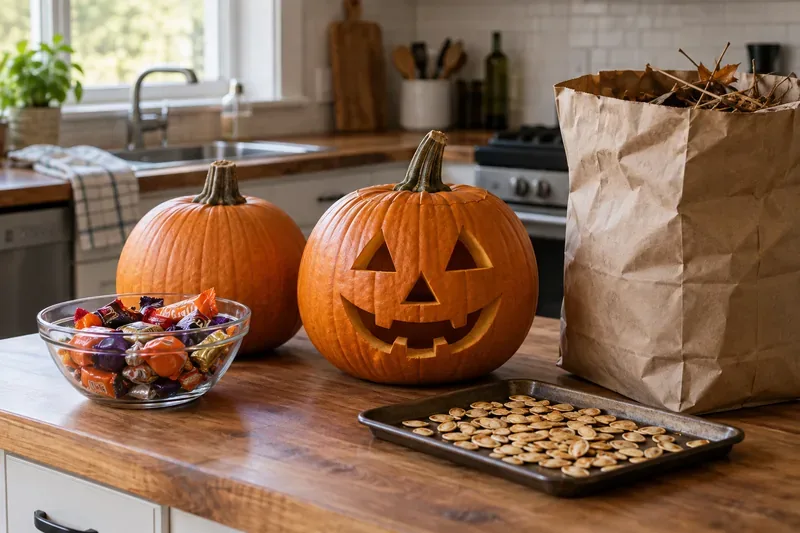
Sort leftover Halloween candy safely, share or repurpose sealed treats, and choose food use or compost for pumpkins based on their condition.
Compare workplace Halloween costume choices by respect, dress code, mobility, and safety—and learn when a subtle accessory or a policy check is the better option.
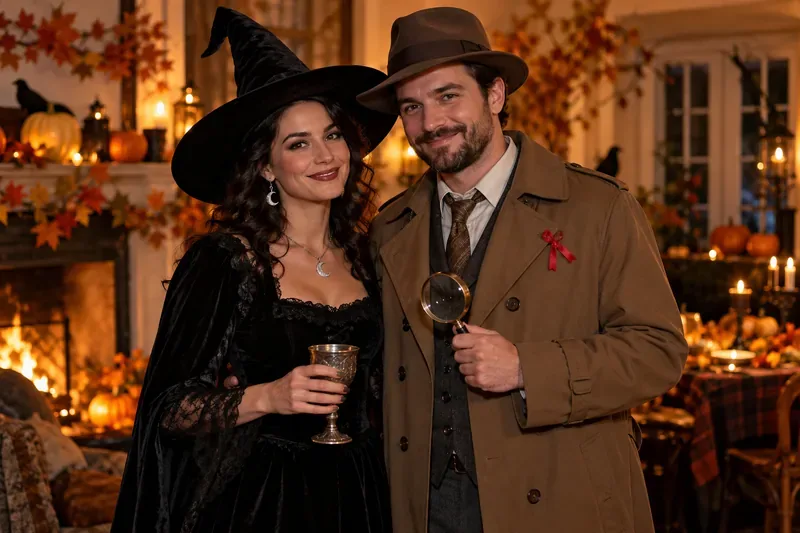
Find a couples costume that fits your style, budget, and comfort level, from Addams Family classics to original inside-joke duos.
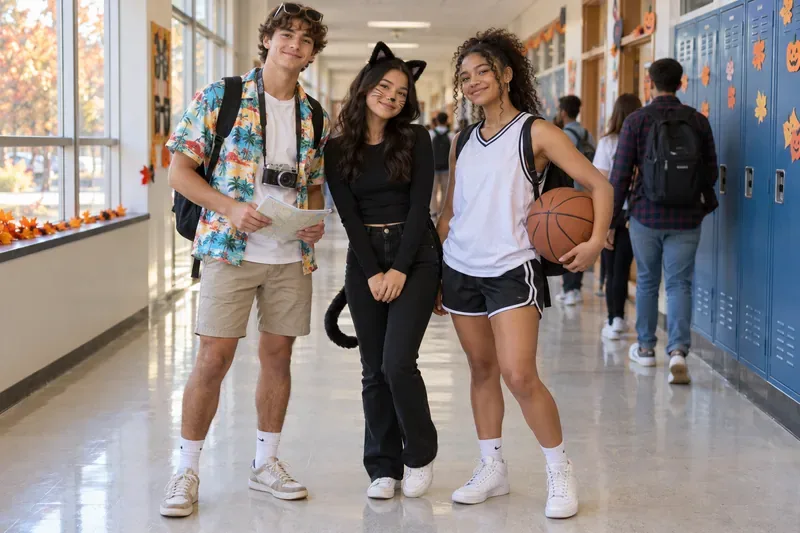
Need a last-minute high school Halloween costume? Compare 10 easy closet-based ideas by prep time, comfort, school-day practicality, and simple safety checks.
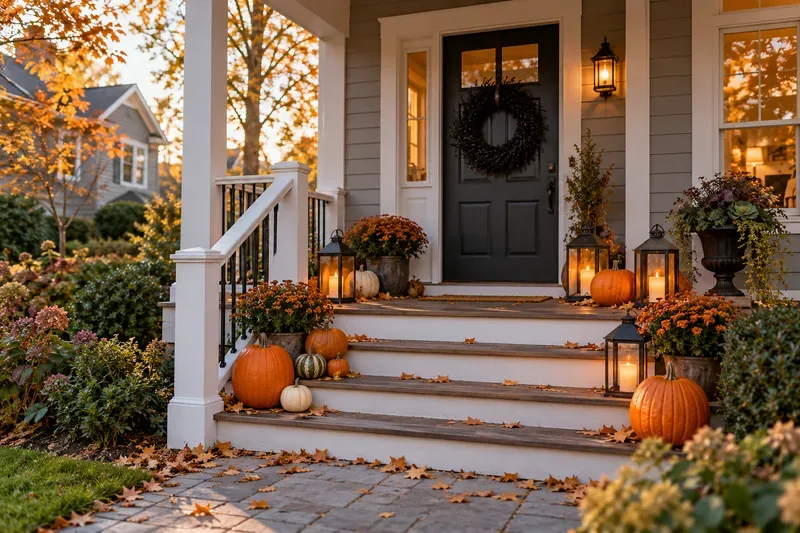
Use a simple 2026 Halloween decorating timeline for indoor décor, outdoor displays, and fresh pumpkins, with practical adjustments for weather and events.
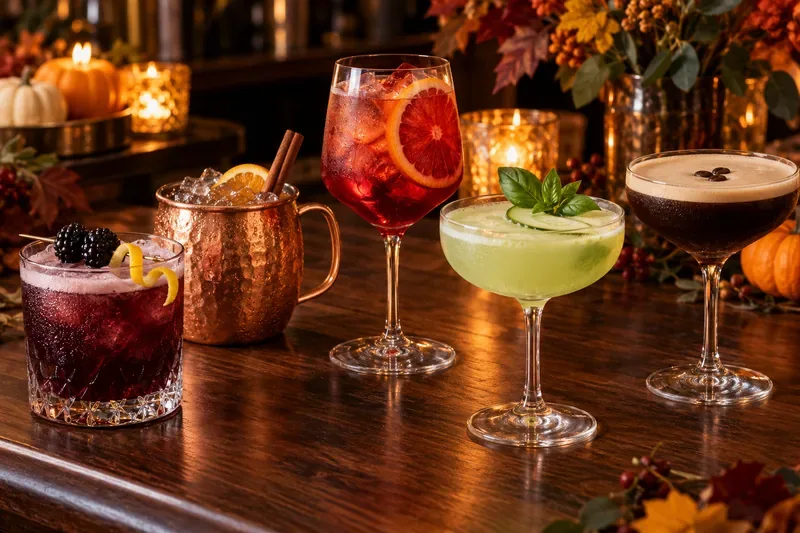
Mix five vivid, approachable Halloween cocktails with measured recipes, simple prep tips, and an alcohol-free option for your party guests.
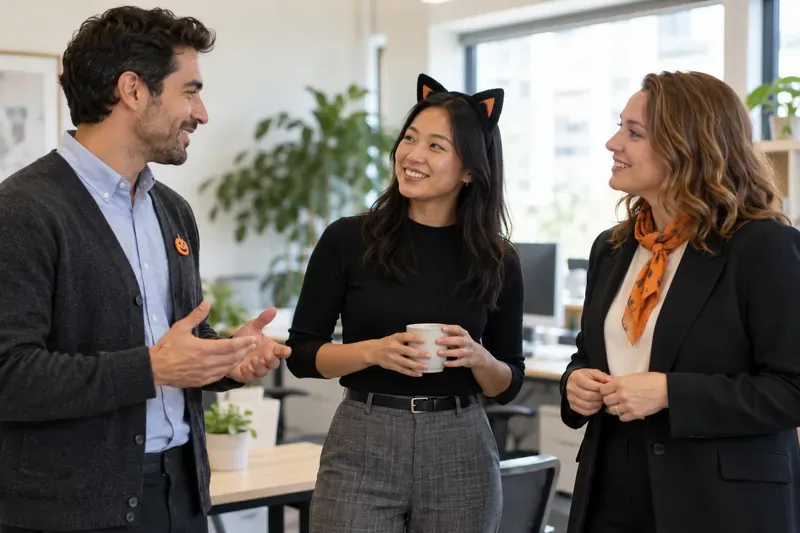
Find 15 office-friendly Halloween costume ideas for 2026, with practical checks for dress codes, respectful themes, comfort, and workplace safety.