Desk Decorating Ideas for a Spooky Office Cubicle
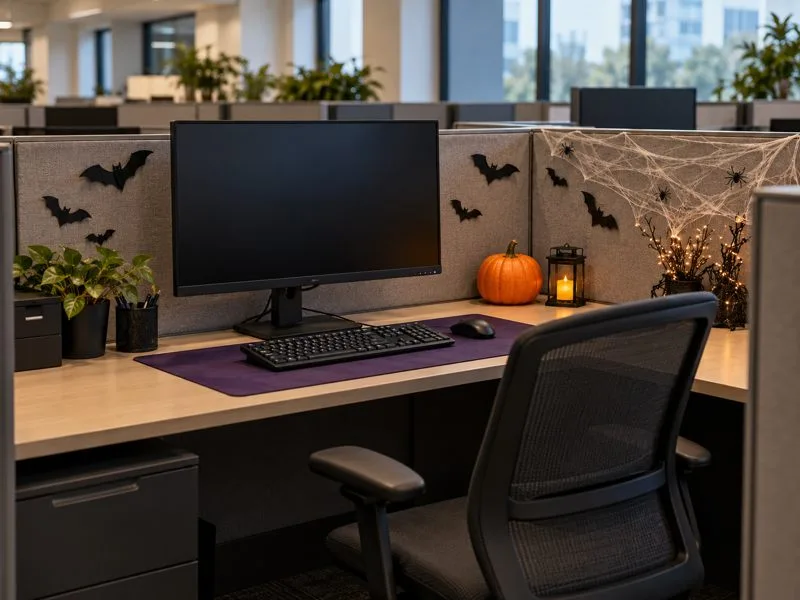
Create a spooky office cubicle with Halloween desk decor ideas that keep your workspace usable, tidy, and mindful of workplace safety.
Complex passwords that use a combination of characters and change them frequently are no longer the best way to manage passwords, according to new guidance released by the National Institute of Standards and Technology (NIST), which develops and publishes guidelines to help organizations protect their information systems.
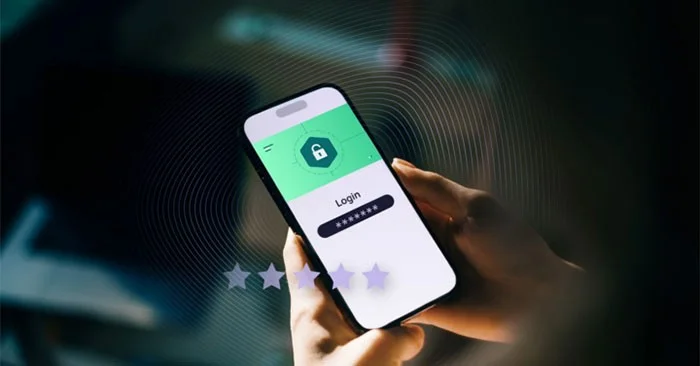
For years, complex passwords, combining uppercase and lowercase letters, numbers, and symbols, have been favored by experts and service providers because they are believed to make passwords harder to guess or crack through brute force attacks.
However, complex passwords are counterproductive and actually weaken security. Complex passwords encourage users to develop bad habits such as choosing simple passwords or reusing old passwords.
In its latest guidelines, NIST has encouraged using longer passwords instead of complex passwords.
The first reason is that people often have trouble remembering complex passwords, which leads them to use passwords that are easy to guess or to use the same password for multiple sites. This is exacerbated by the fact that many organizations require you to change your password every 60 to 90 days, which NIST no longer recommends.
Password strength is often measured by entropy, the number of possible combinations that can be created using the characters in the password. The higher the number of combinations, the harder the password is to crack using brute force or guessing methods.
Length plays a much larger role in the number of possible combinations than complexity. A longer password with more characters has exponentially more possible combinations.
The second reason is that long passwords with many simple words are easier to remember, ensuring users don't resort to unsafe practices like writing down passwords or reusing them.
Additionally, long passwords, due to the large number of possible combinations, are more difficult for complex algorithms to crack than short, complex passwords.
For example, changing a password from 4 digits to 6 digits increases the number of possible combinations from 10,000 to 1,000,000.
NIST recommends that users create passwords that are up to 64 characters long. A password that uses only lowercase letters and words is extremely difficult to crack, while one that includes uppercase letters and symbols becomes mathematically impossible to crack.
Create a spooky office cubicle with Halloween desk decor ideas that keep your workspace usable, tidy, and mindful of workplace safety.
Plan a recognizable Halloween 2026 look with pop culture costumes inspired by Spider-Man, Supergirl, Toy Story 5, Moana, Mario, and Wednesday.
Sort leftover Halloween candy safely, share or repurpose sealed treats, and choose food use or compost for pumpkins based on their condition.
Compare workplace Halloween costume choices by respect, dress code, mobility, and safety—and learn when a subtle accessory or a policy check is the better option.
Find a couples costume that fits your style, budget, and comfort level, from Addams Family classics to original inside-joke duos.
Need a last-minute high school Halloween costume? Compare 10 easy closet-based ideas by prep time, comfort, school-day practicality, and simple safety checks.
Use a simple 2026 Halloween decorating timeline for indoor décor, outdoor displays, and fresh pumpkins, with practical adjustments for weather and events.
Mix five vivid, approachable Halloween cocktails with measured recipes, simple prep tips, and an alcohol-free option for your party guests.
Find 15 office-friendly Halloween costume ideas for 2026, with practical checks for dress codes, respectful themes, comfort, and workplace safety.
Plan a fun elementary school Halloween party with easy crafts, games, inclusive treats, costume tips, and a sample 75-minute classroom schedule.