Podcasting Trends You Need to Know in 2026: A Beginner’s Roadmap
New to podcasting? Learn the 2026 trends shaping video, discovery, transcripts, AI, analytics, monetization, and a practical launch plan.
When buying a new computer, you must transfer the old file to the new system. Copying each folder in turn is a real time-consuming and labor-intensive solution. Instead, you can use Clonezilla to copy the entire old hard drive to the new one.
Cloning drive with Clonezilla is fast, simple and completely free. Here's how to clone a Windows 10 hard drive with Clonezilla and a USB flash drive .
Clonezilla is a free, open source image cloning and partition software. You can use Clonezilla to backup the system, clone the entire drive, deploy the system ... In addition, it also supports a wide range of file systems, bootloaders, encryption and more.
Note that this cloning requires a second hard drive equal to or larger than the current storage drive. For example, if you want to clone a 60 GB drive, you must prepare the drive with at least 60 GB free space to complete the data copying process.
First, you need to install this software on your computer.
To create a bootable Clonezilla USB flash drive, you need USB 1 GB or more and Rufus - USB boot creation tool.
Note, creating USB Clonezilla will completely wipe the data currently on your hard drive.
Here are the steps:
Clonezilla is a small ISO. Therefore, the process of creating USB flash is fast.
At this point, you should connect the second hard drive to the system and make sure it is compatible.
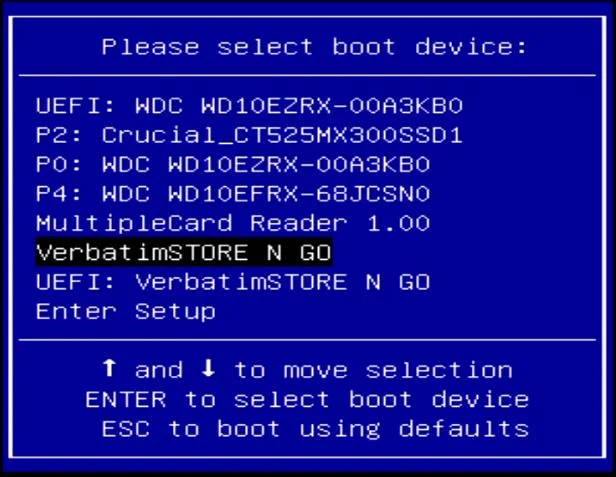
Now you need to reboot the system in the selected boot mode. The easiest way to do this is to reboot the system, then press the boot menu button for the type of hard drive.
Access the Boot Selection menu with the function key
Not sure which button to press to access the system BIOS? You can find it in the article Summary of the shortcut to access the Boot Option (Boot menu) and the computer's BIOS .
After rebooting the system, touch the necessary keys. For example, on a Gigabyte motherboard, tap F12 after reboot to access the Boot Selection menu.
When entering the menu, you can scroll down and select the USB flash drive that can boot Clonezilla.
Access the Boot Selection menu via Advanced Startup on Windows 10
Some UEFI systems will not allow you to access boot options manually for safety. Instead, you can access it from the UEFI firmware menu.
Press and hold the Shift key > click the Restart button in the Start menu . This key combination opens the Advanced Startup menu . Here, you can select Troubleshoot> Advanced Options> UEFI Firmware Settings . When the UEFI firmware menu is open, look for the boot options section. Here, you can change the boot order for the motherboard to boot USB Clonezilla before installing Windows 10 normally.
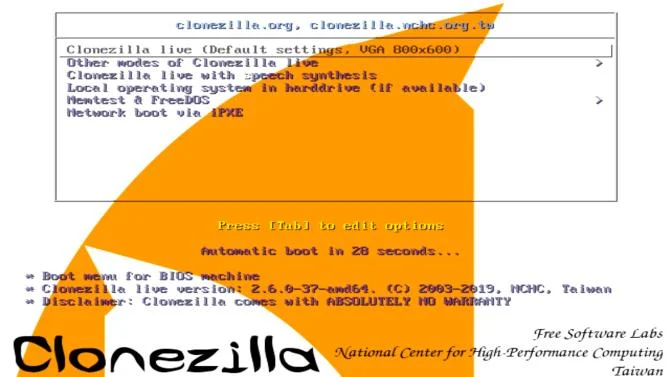
When Clonezilla starts up, you have a few options. Click Clonezilla Live (Default Settings, VGA 800 × 600) . Wait for a while for the system to load the Clonezilla live environment. You will have to choose a keyboard layout and language. When you reach the Clonezilla boot screen, select Start Clonezilla .
You will now be at the Clonezilla Options screen. At this point, you only need to care about the following 2 options:
This first option helps you create the disk image of the currently used storage device. The second option helps you clone the device, directly copying it to another form of storage.
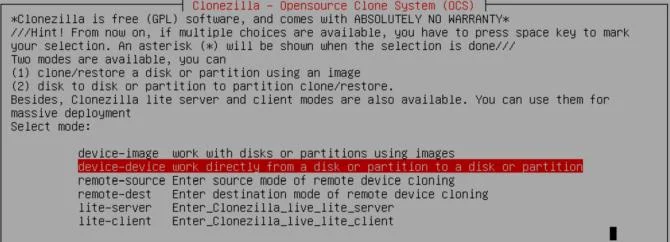
Because you're copying the hard drive, use the second option, device-device , then access Beginer Mode . Other advanced options are not necessary for you at the moment, so please ignore them.
You now have two more options:
Again, when copying the entire drive, press the first option. The second option, to clone a partition, allows you to make a partial copy of the storage device.
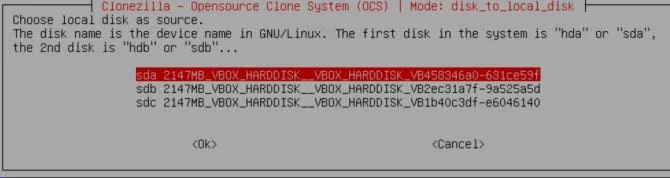
Now enter the drive you want Clonezilla to clone.
Clonezilla is a Linux-based utility, so hard drives use a Linux naming convention. That means your primary partition - the main storage drive - will use the name "sda", the second drive is "sdb". You can also cross-reference hard drives according to their size.
On the second screen, select the memory you want to copy. Remember, the local disk size you are copying must be smaller than the second drive.
Now, choose the task you want Clonezilla to do when the cloning process is complete. You have 3 options:
The last option is to copy the local drive bootloader. If you're making a copy of a Windows 10 drive and want it to boot, type Y , then press Enter .
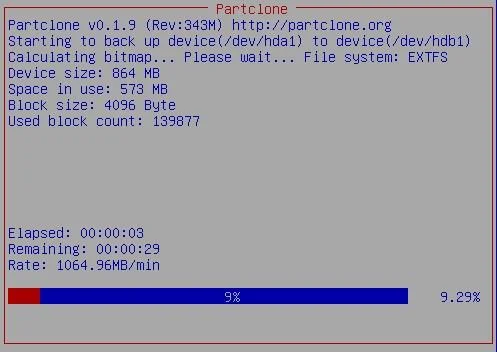
If you want to recover your hard drive when cloned, follow the steps in this guide. Note, in this case, you need to copy that mirror to the target drive and copy the bootloader again.
Above is a guide to cloning Windows 10 hard drive with Clonezilla . Hope the article is helpful to you.
New to podcasting? Learn the 2026 trends shaping video, discovery, transcripts, AI, analytics, monetization, and a practical launch plan.
A practical UGC masterclass for sourcing, permissioning, briefing, publishing, and measuring customer and creator content without losing authenticity.
Community building can deepen trust, retention, feedback, and advocacy, but it is not a replacement for every marketing channel. Compare the tradeoffs and choose the right model.
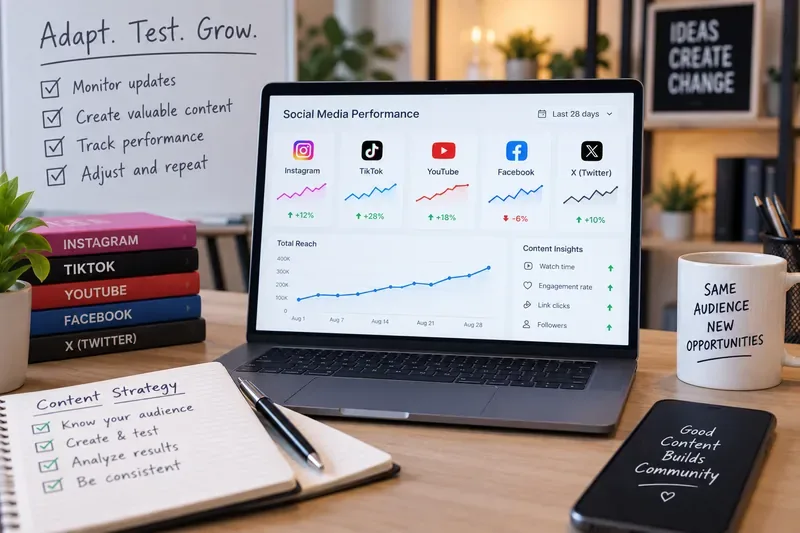
Learn what major social platforms have actually confirmed about ranking changes in 2026, what depends on context, and how to adapt without chasing myths.
Learn how to make brand storytelling feel credible, human, and specific—using proof, real tension, ethical customer stories, and a practical authenticity check.
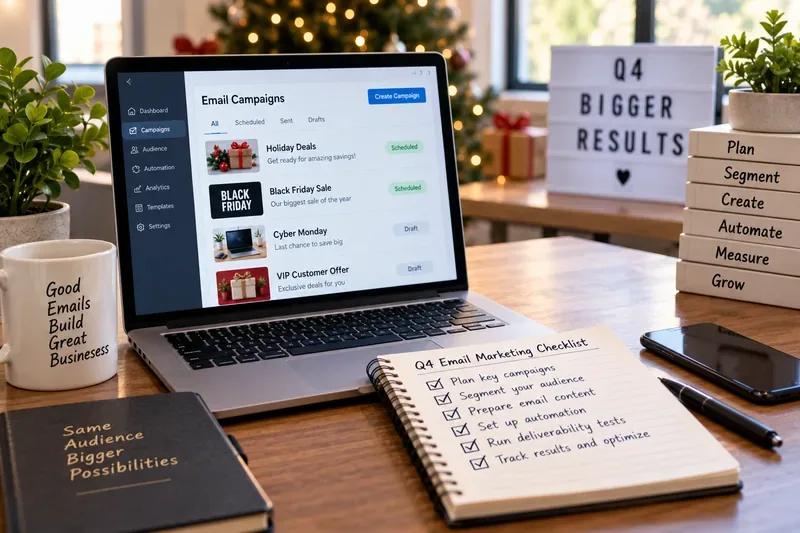
Build a smarter Q4 email strategy by balancing reach, frequency, discounts, automation, deliverability, and measurement for profitable holiday growth.
Learn how to create short-form video that converts by balancing hooks, format, authenticity, CTA, platform fit, and testing across TikTok, Reels, and Shorts.
Why are brands testing KOCs instead of relying only on influencers? Learn what KOCs are, why social commerce favors them, common myths, and how to run a measurable pilot.
Learn a practical TikTok SEO workflow for 2026: find real search demand, match search intent, optimize each video, and measure what improves visibility.
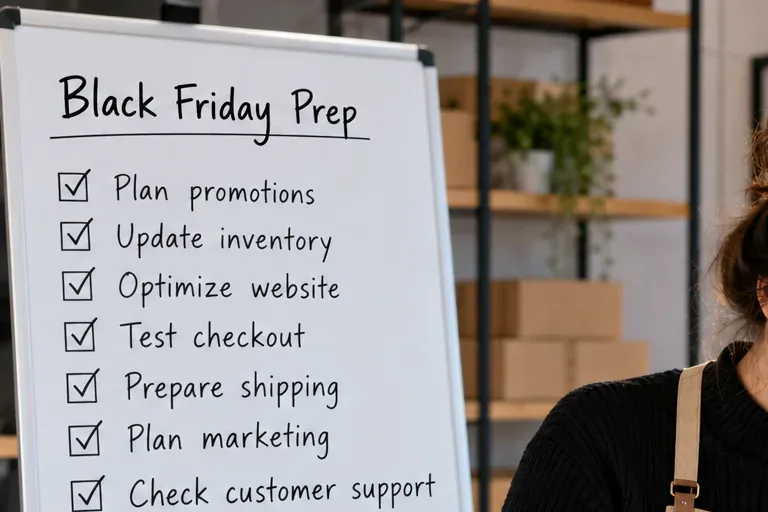
Prepare your e-commerce store for Black Friday with a practical checklist for offers, site speed, checkout, inventory, fulfillment, analytics, security, and support.