Leftover Halloween Candy and Pumpkins: What to Do Next

Sort leftover Halloween candy safely, share or repurpose sealed treats, and choose food use or compost for pumpkins based on their condition.
Since the mid-1990s, Audi has been synonymous with uncompromising quality of workmanship and materials, unmatched in the luxury car industry. This laid the foundation for the brand’s rise from a relatively modest-looking manufacturer to a rival to Mercedes and BMW in terms of brand image. However, recently, that halo has begun to fade.
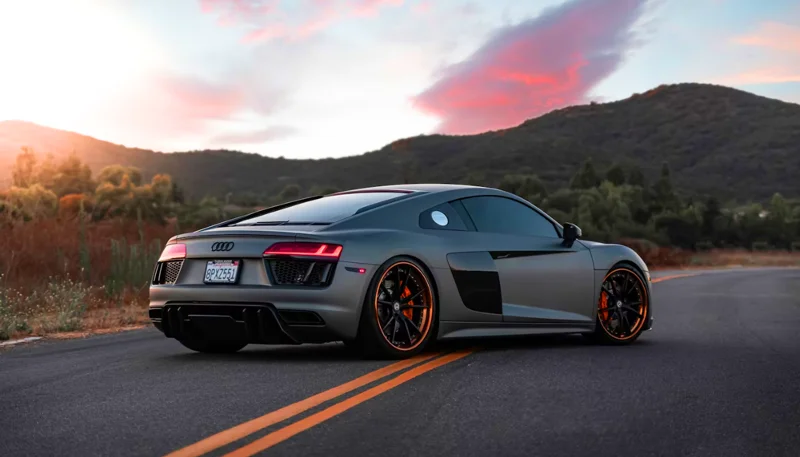
Audi’s management turmoil has led to significant delays in the launch of key models. But with the backlog cleared, Audi has introduced six new models in the past year: the A6 E-Tron, Q6 E-Tron, A5 sedan, A5 Avant, Q5 SUV and Q5 Sportback . In addition, the internal combustion engine A6 Avant is due to be launched soon.
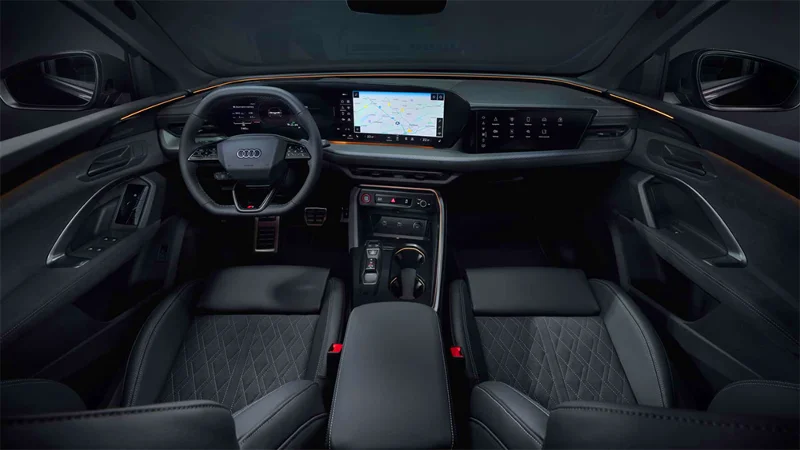
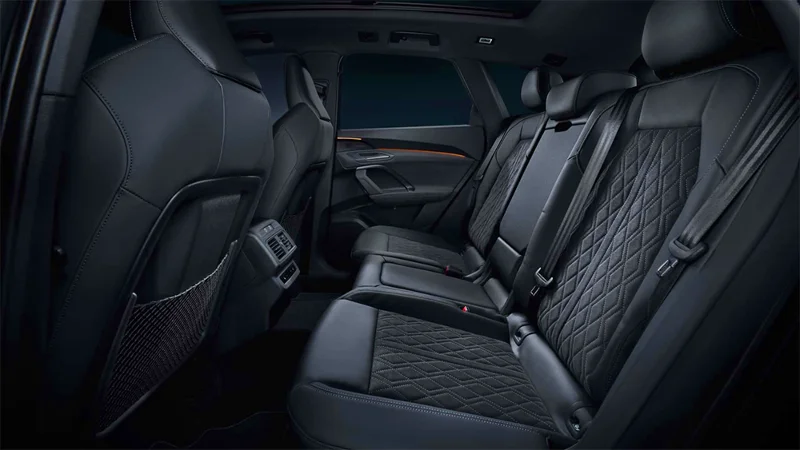
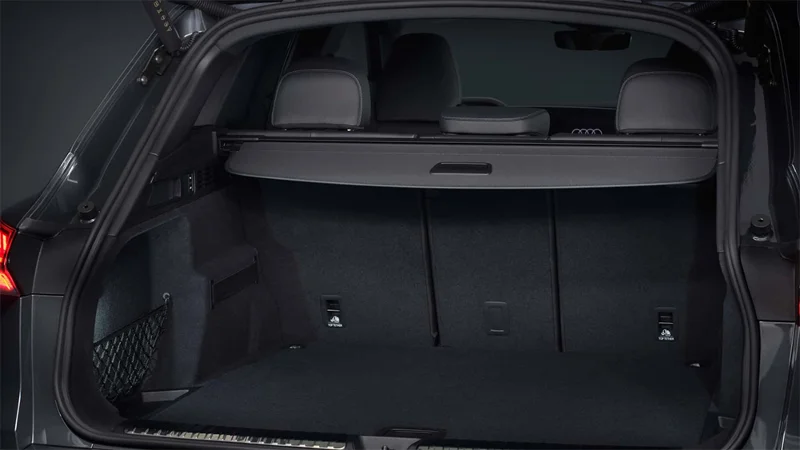
Audi has certainly filled some important gaps in its lineup. But a closer look at the new models reveals another problem: the quality of interior materials in the A6 E-Tron, Q5, and a few others is decidedly disappointing. For many loyal Audi customers, this is hardly acceptable.
At first glance, everything seems to be acceptable, but the hidden details, such as the hard plastic on the door panels and the glove box – are simply worrying. Many people wonder how these painted parts will look after 4-5 years of use?
Those in charge are aware of the problem. At a test drive event for the new Q5, Oscar da Silva Martins, Audi's head of product and technology communications, gave a frank self-criticism to journalists: "We had better quality in the past, and we will soon bring it back."
He also admitted that customer and media expectations for Audi quality may have been underestimated. Other Audi officials also pledged to improve material quality in upcoming updates, in the hope that new models will address the issue.
In Audi’s defense, it’s worth noting that rivals like Mercedes aren’t doing much better, with interior material quality dropping significantly over the past few years, with no promise of improvement. BMW hit rock bottom with the 3 Series (F30) in the early 2010s, but they’ve improved since then.
From development circles, we often hear that increasingly stringent standards for emissions, crash safety, cybersecurity, and synchronization are putting enormous pressure on development costs, forcing manufacturers to cut corners in some areas. But premium German brands like Audi shouldn’t compromise one of their core strengths: superior quality.
Can the brand regain its leadership in quality, or will it continue to face challenges in the race with rivals?
Sort leftover Halloween candy safely, share or repurpose sealed treats, and choose food use or compost for pumpkins based on their condition.
Compare workplace Halloween costume choices by respect, dress code, mobility, and safety—and learn when a subtle accessory or a policy check is the better option.
Find a couples costume that fits your style, budget, and comfort level, from Addams Family classics to original inside-joke duos.
Need a last-minute high school Halloween costume? Compare 10 easy closet-based ideas by prep time, comfort, school-day practicality, and simple safety checks.
Use a simple 2026 Halloween decorating timeline for indoor décor, outdoor displays, and fresh pumpkins, with practical adjustments for weather and events.
Mix five vivid, approachable Halloween cocktails with measured recipes, simple prep tips, and an alcohol-free option for your party guests.
Find 15 office-friendly Halloween costume ideas for 2026, with practical checks for dress codes, respectful themes, comfort, and workplace safety.
Plan a fun elementary school Halloween party with easy crafts, games, inclusive treats, costume tips, and a sample 75-minute classroom schedule.
Compare realistic side hustles for 2026 by startup cost, fees, flexibility, and income control, with current tax and scam guidance from official sources.
Upgrade your home office ergonomics with current OSHA and NIOSH guidance on chair fit, monitor height, laptop setup, lighting, and movement.