
Trail Blazers vs Warriors: Portland Wins 116–94 — Score and Replay Guide, Updated 5:14 p.m. AEDT
Portland beat Golden State 116–94 in the NBA Cup. Find the official final score, box score, play-by-play and Australian replay options.
Verification Timestamp: November 27, 2026, 14:08 UTC (Melbourne/Sydney: November 28, 2026, 01:08 AEDT, UTC+11)
Receiving an unexpected bill or debt letter from Centrelink (Services Australia) stating that you owe hundreds or even thousands of dollars can be deeply alarming. However, an overpayment notice is not an immediate, irreversible verdict. If the calculations look incorrect, inconsistent with your reported income, or completely unfamiliar, Australian social security rules give you clear legal rights to inspect the breakdown, request an official pause on repayments, and dispute the determination at zero cost.
The moment an overpayment notice or unexpected bill appears in your myGov Inbox or letterbox, resist the urge to either pay it in panic or discard it. The safest and most effective immediate reaction is structured verification:
Centrelink debts commonly arise from mismatched data reporting, delayed processing of reported earnings, changes in study loads, or administrative miscalculations. When inspecting the itemized debt assessment, look specifically for these recurring discrepancies:
Services Australia provides an established, multi-step dispute process. You are entitled to choose the path that best matches the severity and clarity of the issue:
If you suspect a simple administrative oversight or simply cannot decipher how the figure was calculated, contact Services Australia to ask for a formal explanation. A specialized officer will re-examine your file, contact you to walk through the calculations, and fix obvious arithmetic or data-entry errors on the spot. Asking for an explanation is completely free.
If you disagree with the explanation, or if you prefer to bypass informal discussions entirely, submit an application for a formal review. The case will be reassigned to an Authorised Review Officer (ARO)—a senior officer who operates independently of the team that calculated the original bill. The ARO has full legal power to change, affirm, or completely set aside the debt decision.
Should the ARO affirm the debt and you remain convinced the ruling is factually or legally wrong, you can lodge an external appeal with the Administrative Review Tribunal (ART). The ART replaced the Administrative Appeals Tribunal (AAT) and provides independent judicial and administrative oversight outside Services Australia. Review applications in the ART's social services division are free of charge, though you must generally lodge your application within 13 weeks of receiving the ARO's final decision.
A critical trap for many Australians is assuming that lodging an objection automatically halts debt collection. Under current operational rules, debt recovery mechanisms—including fortnightly deductions from current payments, automated recovery plans, or tax refund garnishments—can continue while an investigation is underway unless you explicitly instruct Centrelink to stop.
Whenever you request an explanation or a formal review, make an explicit, recorded request to pause all debt recovery actions. Services Australia routinely grants temporary repayment pauses of up to 6 months while reviews and tribunal appeals remain active.
You do not have to confront complex social security calculations alone. Free, independent support is available across Australia:
If you have not formally requested a repayment pause, standard automated recovery processes or Australian Taxation Office (ATO) tax refund garnishments can proceed. Always contact Centrelink immediately upon disputing a debt to request an official hold on recovery actions until your review is finalized.
Unlike appeals regarding rejected benefit applications (which generally require submission within 13 weeks), there is no strict statutory deadline to request a formal internal review of a Centrelink debt decision. However, acting quickly prevents automated withholdings and ensures documentation remains fresh and readily accessible.
If an overpayment was caused solely by an administrative error made by Services Australia, and you received the payments in good faith without knowing an error had occurred, social security law allows the debt to be completely waived if repaying it would cause severe financial hardship.
Portland beat Golden State 116–94 in the NBA Cup. Find the official final score, box score, play-by-play and Australian replay options.

Stay safer during hot weather with practical heatwave tips: hydrate, cool your home, protect at-risk people, and recognize heat exhaustion and heatstroke.

The Spurs beat the Lakers 99–96 in San Antonio. See where to track NBA scores, box scores, game updates, and Australian tipoff times.
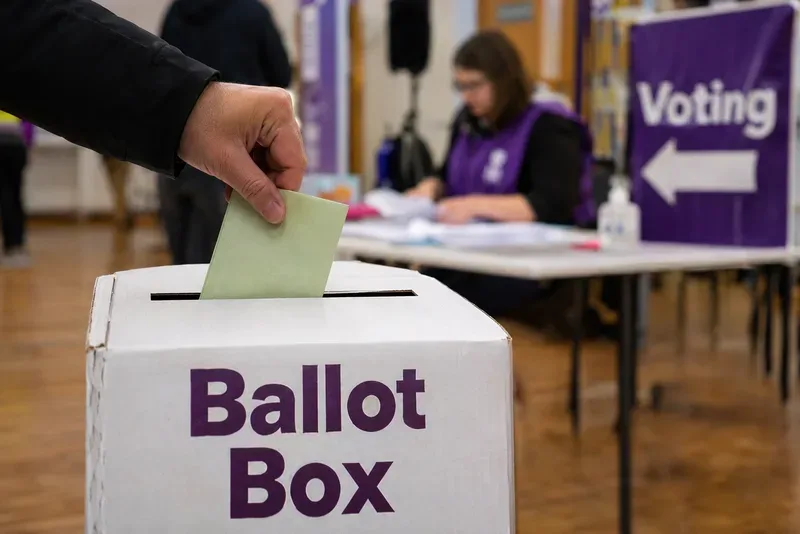
Find the latest Victoria election count on the VEC website and ABC tracker, understand preferences and seat totals, and check the 2026 declaration timeline.

Seattle hosts Edmonton at 7 p.m. PST after Kaapo Kakko’s late two-goal surge gave the Kraken a 4–2 win. Canadian start times, storylines and lineup notes.

Toronto beat Brooklyn 124-100 in the NBA Cup group-stage finale. See Scottie Barnes’ 34 points, Immanuel Quickley’s triple-double and what’s next.

Kyle Connor scored twice as Winnipeg beat New York 3–1. See the pregame context, scoring turns, goalie performances and what the result means.

Comprehensive preview of Golden State Warriors vs. Portland Trail Blazers: tactical breakdowns, key matchups, rebounding battles, and what to watch.

Learn how prospector David Hole found the 17-kilogram Maryborough meteorite, what its H5 chondrite classification means, and how its age differs from its time on Earth.

A clear guide to the Pacers–76ers NBA Cup matchup: group stakes, earlier meetings, key players, injury context, and the Indianapolis tipoff converted to Australian time.