
How to Use Your Remaining FSA Dollars Before They Expire in 2026
Follow these 4 steps to check your 2026 FSA deadline, find eligible expenses, and submit claims on time so you can use your balance wisely.
A cozy December bucket list is a simple way to make the month feel special without filling every evening with expensive outings. These 25 fun winter activities for families combine creative projects, outdoor adventures, shared meals, and small acts of kindness. Parents, caregivers, grandparents, and children can choose ideas that suit their schedules, interests, and local weather. Follow five steps to turn the list into a flexible family tradition rather than another holiday obligation.
| Preparation | What to gather |
|---|---|
| Planning | A calendar, scrap paper, pencil, and a family spending limit |
| Indoor activities | Books, blankets, board games, paper, washable markers, and age-appropriate craft supplies |
| Kitchen activities | Favorite ingredients, allergy-safe alternatives, mixing bowls, and adult supervision |
| Outdoor activities | Weather-appropriate clothing, suitable shoes, water, and any protective gear required |
| Estimated time | About 15 minutes to plan; most home activities take 15–60 minutes. Outings may take longer. |
| Difficulty | Easy for most ideas; moderate for beginner skating or sledding |
Choose activities according to each child's age and ability. These time estimates are planning suggestions, not measured results. You do not need snow, a particular holiday tradition, or a large budget.
Pick an evening when everyone is home. Put away unnecessary screens, gather supplies, and let each family member choose a favorite.
Check ingredient labels for allergies and give younger children safe jobs away from hot surfaces. Adults should handle ovens, boiling liquids, and sharp knives.
The CDC's guidance on raw flour and dough explains that uncooked flour and eggs can carry harmful germs. Follow baking instructions and wash hands and surfaces after handling raw ingredients. Avoid crafts made with raw flour for young children.

Before going outside, check the local forecast, wind chill, trail conditions, and available daylight. Pack dry layers and plan a warm place to return to.
The American Academy of Pediatrics offers winter play safety recommendations, including dry layers, warm-up breaks, and avoiding outdoor play in extreme cold. The National Park Service winter hiking guidance also recommends checking weather and trail conditions, carrying navigation equipment when hiking, and staying away from unsafe ice.
Make December feel meaningful by balancing gifts and entertainment with simple ways to connect. Call ahead before visiting a venue or donating items.
Choose traditions that can fit into ordinary days. Set out a container or notebook to collect memories without worrying about making them perfect.
To turn these ideas into a realistic calendar, pick two or three per week and leave unscheduled days for rest. Put weather-dependent outings on flexible dates and choose an indoor backup. For a low-cost December, prioritize library books, crafts made from recycled materials, and meals using ingredients you already have. A bucket list is successful when it helps people spend enjoyable time together, not when every item is checked off.
Move skating to an indoor rink if available, replace a snowperson with cardboard art, or schedule a movie night. Never force an outdoor outing during hazardous weather. Shorten outings if children become cold or wet, and change wet clothing promptly.
Cross out paid outings first and select one activity that can happen during your usual routine. Make a ten-minute reading session part of bedtime or turn a regular dinner into an indoor picnic. Put one bigger outing on a weekend only if everyone has time and energy.
Let each child pick one idea, and assign different roles in shared projects. For example, a preschooler can choose paper colors while an older sibling cuts intricate snowflakes. Offer a quiet alternative for anyone who needs a break.
Reading in a blanket nook, playing games you already own, making paper snowflakes, having a dance party, and creating a gratitude jar can all be free when you use existing supplies.
Choose indoor cooking, crafts, library visits, neighborhood walks, and community events. Substitute indoor skating or cardboard snowperson crafts for snow-dependent activities. Check local conditions instead of assuming December is snowy.
No. Select a manageable number based on your family's energy, budget, and schedule. Even five memorable activities can make December feel special. Save the remaining ideas for another year.
Start today by choosing one cozy activity, writing it on your calendar, and inviting everyone to help. Keep the plan flexible and celebrate the moments you share.
Follow these 4 steps to check your 2026 FSA deadline, find eligible expenses, and submit claims on time so you can use your balance wisely.
Execute 6 essential year-end tax moves before December 31, 2026 to maximize retirement savings, harvest investment losses, and lower your 2026 tax bill.

Watch the 2026 Rockefeller Center Christmas Tree Lighting in 5 steps. Find the Dec. 2 start time, NBC and Peacock options, and NYC viewing tips.
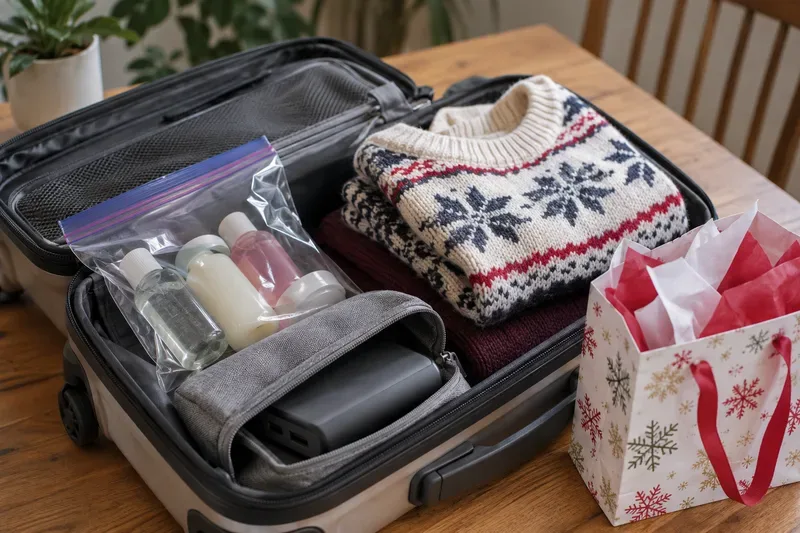
Plan around likely December flight crowds in 6 steps: check TSA ID rules, pack carry-ons, arrive early, and handle winter travel disruptions.
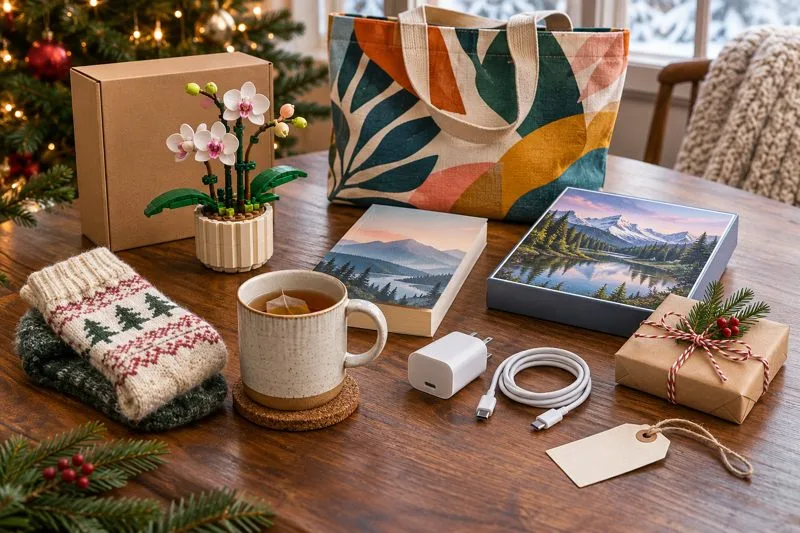
Use this five-step guide to match thoughtful Christmas gifts under $50 to each person, compare current price examples, and stay on budget.

Master AI factories and physical AI in 5 proven steps to deploy digital twins, train robotics, and drive American industrial innovation.

Master Miami Art Week with this 5-step guide to ticketing, satellite fairs, transport, and installations for an optimal contemporary art experience.

Follow this 4-step tutorial to audit holiday budgets, verify charities, and mobilize community support to counteract seasonal consumerism.
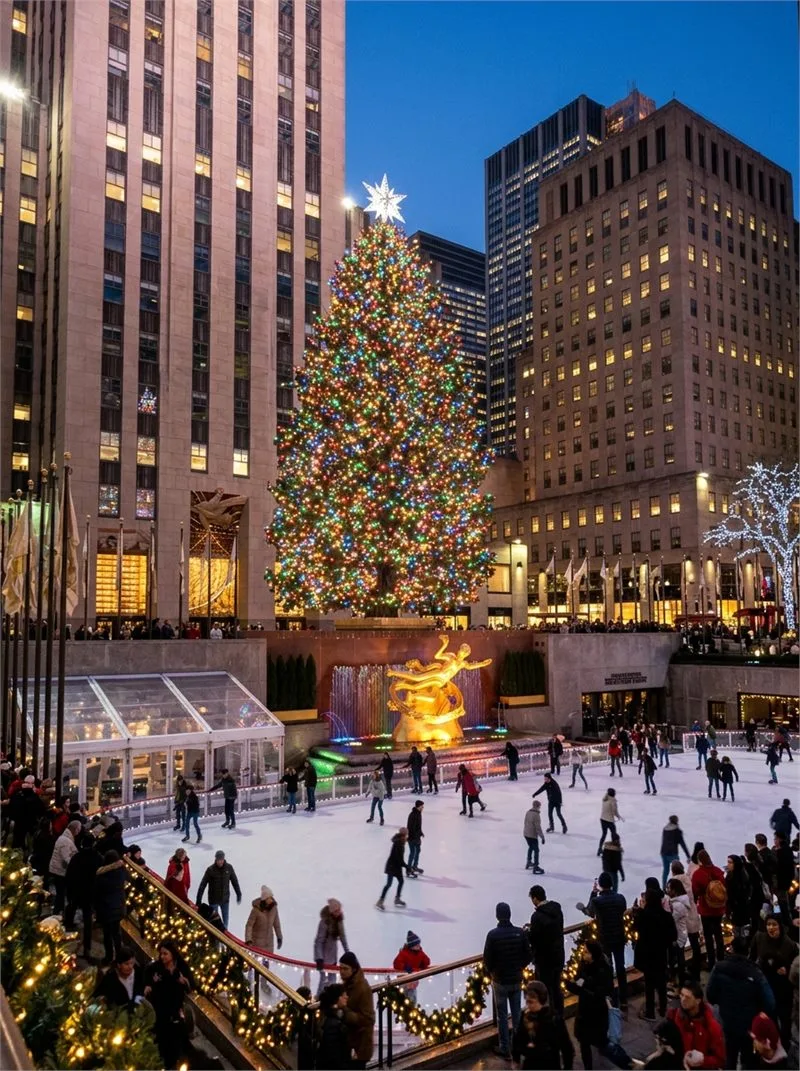
Follow this 5-step guide to explore the history, technical feats, and visiting tips for the Rockefeller Center Christmas Tree to plan a seamless holiday trip.