Home
» Wiki
»
Creating a water battery that is cheaper, recyclable and doesnt explode
Creating a water battery that is cheaper, recyclable and doesnt explode
Scientists at RMIT University in Melbourne (Australia) have created a recyclable 'water battery' by replacing the dangerous chemical electrolytes used in conventional batteries with water.
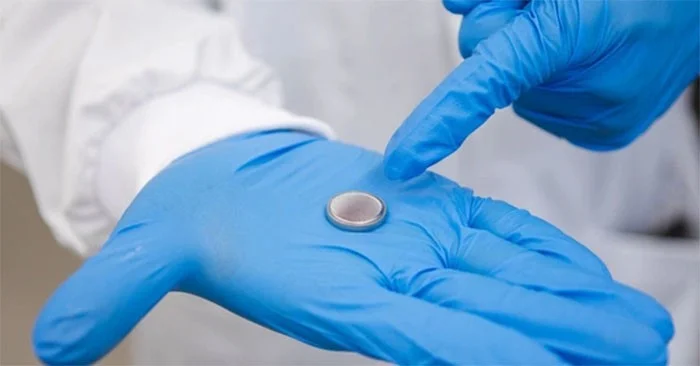
Prototype metal-ion water battery - Photo: RMIT University
The team has officially named this "water battery" an aqueous metal-ion battery. It replaces the materials currently used in other types of batteries with metals such as magnesium or zinc, which are cheaper and less toxic.
In aqueous batteries, water with a small amount of salt added is used as the electrolyte instead of sulfuric acid or lithium salt.
In particular, the team found a way to use bismuth metal to coat the negative electrode of the battery to prevent the formation of metal fibers called dendrites. This helps prevent short circuits in aqueous batteries - which occur when dendrites appear in the battery.
Experiments also showed that this method helps the prototype water battery operate longer, after 500 charge cycles still maintaining more than 85% of its capacity.
The team has now developed water-based prototypes of coin-sized batteries used in watches as well as cylindrical batteries similar to AA or AAA batteries.
While the new technology is unlikely to replace lithium-ion batteries anytime soon, aqueous batteries could develop into a safe alternative within a decade or more, said Tianyi Ma, lead researcher of the research team.
Lithium-ion batteries, found in every electronic device today, can overheat and catch fire in some cases.