Outlook Not Working? Microsoft Outage Recovery Is Still Uneven — 14 November Update
Microsoft 365 outage recovery is progressing, but Outlook access and email delivery may remain intermittent. Check status and protect stuck messages while you wait.
Verified and updated: November 13, 2026, at 9:04 p.m. UTC.
A Freeze Warning means freezing temperatures are expected in the area named by the National Weather Service (NWS); the warning is seasonal, and local offices set criteria for their forecast areas. For a household, the time-sensitive priorities are to cover vulnerable plants before evening, disconnect and drain garden hoses, protect exposed faucets and pipes, and know where the main water shutoff is. The warning alone does not identify which plants or plumbing at a particular property will be damaged, so check the local forecast and the warning’s timing and expected lows.
Check the NWS forecast for your ZIP code or county and note when temperatures are expected to reach freezing and how long the cold may last. A Freeze Warning is an action signal for the locations it covers, but thresholds and warning practices can vary by NWS office. The NWS explains that warnings generally concern temperatures at or below 32°F during a locally defined frost or freeze season; some offices include details about harder freezes in the warning text. Do not assume that an alert elsewhere applies to your home. Read the National Weather Service’s cold weather alert guidance and your local forecast.
Before sunset, gather plant covers, faucet covers, pipe insulation, and a bucket or towels for leaks. Locate the main water shutoff and make sure it is accessible. If you rent, contact the property manager about outdoor lines or shared plumbing rather than operating equipment you are not responsible for.
Prioritize tender annuals, seedlings, newly planted specimens, tropical plants, and potted plants whose roots are exposed to colder air. Move containers into a garage or other sheltered space if practical. For plants that must stay outside, drape frost cloth or another breathable cover over the foliage and secure its edges near the ground so it can hold warmer air. Put covers in place before temperatures drop, then remove them after the freeze risk passes so plants can receive light and ventilation.
A cover can reduce cold exposure, but it cannot guarantee survival in a prolonged or severe freeze. Avoid letting plastic rest directly on foliage; contact can transfer cold and damage leaves. For valuable or unusual plants, follow guidance from a local cooperative extension because cold tolerance depends on species, growth stage, wind, and exposure. Penn State Extension describes how row covers can help in some frost conditions, while emphasizing that performance depends on the setup and weather. See its frost and freeze protection guidance.
Disconnect every garden hose from its outdoor faucet. A connected hose can trap water at the fixture and interfere with drainage. Drain and store hoses, then fit an insulated cover to the faucet if one is available. If the faucet serves a shutoff inside the home, follow the fixture or plumbing instructions to close the interior valve and drain the outside section. Do not force a stuck valve.
Check basements, crawlspaces, garages, and exterior walls for exposed water lines. Insulate vulnerable pipes with suitable pipe insulation, and close garage doors where water lines run through the garage. During unusually cold weather, federal preparedness guidance says a faucet drip or trickle can help reduce freezing risk in vulnerable plumbing; this is a precaution, not a substitute for insulation or draining unused lines. Follow your local water utility’s advice, especially if it has issued specific instructions. Ready.gov also recommends knowing how to shut off water if a pipe bursts. Review its winter weather preparation guidance.
If a pipe appears frozen, do not use an open flame to thaw it. If water is leaking or a pipe has burst, shut off the main supply if you can do so safely, keep clear of any water near electrical equipment, and call a licensed plumber or your property manager. A frozen pipe can crack and leak as it thaws, so check vulnerable areas after temperatures rise. The University of Minnesota Extension advises draining and shutting off infrequently used lines that lead outside as a winter precaution; see UMN Extension’s home winter safety guidance.
Forecasts are estimates, and actual temperatures can vary across a neighborhood. Recheck the local forecast if the expected low or timing changes. After the cold passes, remove plant covers, inspect outdoor faucets and exposed plumbing for leaks, and check sensitive plants over the next few days. Browning or wilted foliage may appear after exposure; avoid heavy pruning immediately because damage can take time to become clear. The sources reviewed for this checklist provide standing safety guidance, not a nationwide freeze event update. No single current freeze impact is assumed for all U.S. locations.
No. Damage depends on the plant, its condition, temperature, exposure, and how long the freeze lasts. Protect tender plants and check local extension advice.
No. Disconnect and drain it before freezing weather; use the faucet manufacturer’s or local utility’s winterizing instructions.
Only when vulnerable plumbing is at risk and local guidance supports it. A slow trickle may reduce freezing risk, but insulation and proper draining are also important.
Microsoft 365 outage recovery is progressing, but Outlook access and email delivery may remain intermittent. Check status and protect stuck messages while you wait.
Microsoft’s status pages show conflicting signals. Here’s how Australians can check Outlook.com or Microsoft 365 service health and tell an outage from a local issue.
Find out how to check Outlook.com and Microsoft 365 service status, then isolate browser, device, network and account problems with practical steps.
Outlook access problems can delay time-sensitive messages. Check Microsoft’s status, try the web or mobile app, and use a clear backup plan for urgent email.
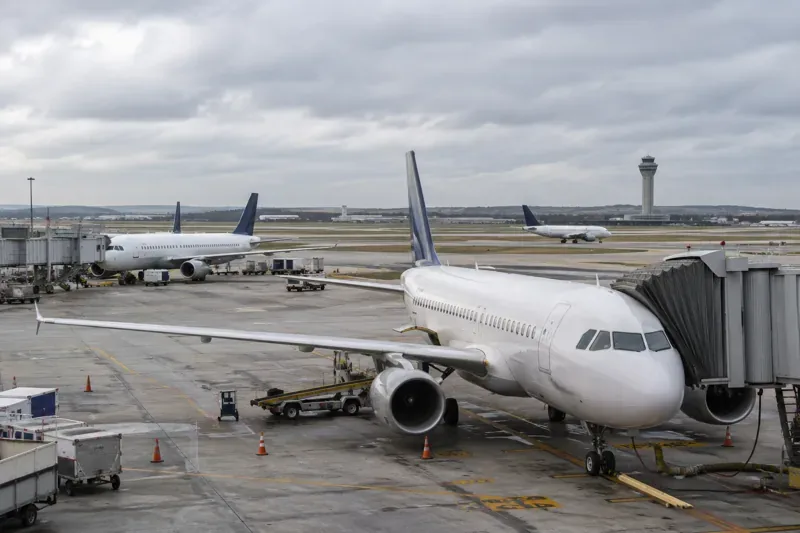
The FAA’s Nov. 13 status page lists an all-traffic ground stop and separate Chicago stops. Here’s how to check your flight and protect a connection.
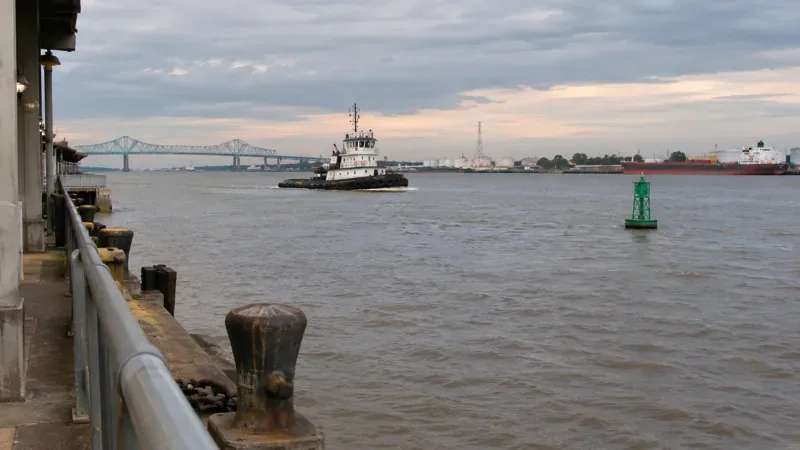
After the November 13 New Orleans tanker and cruise boat collision, learn where to verify Coast Guard river restrictions, NOLA Ready alerts and ferry service.
Learn what an FAA ground stop means, how it differs from a ground delay program, why flights are held, and what each restriction means for travelers.
Dejounte Murray is due $28.8 million in 2026–27, with a $30.75 million player option for 2027–28. Here’s how his salary, guarantees and option work.
A Freeze Warning signals temperatures at or below 32°F; a Frost Advisory warns of frost that can damage sensitive plants. Learn how to read each alert.
A practical freeze warning checklist for covering tender plants, winterizing outdoor faucets and protecting vulnerable pipes before temperatures fall below 32°F.