Outlook Not Working? Microsoft Outage Recovery Is Still Uneven — 14 November Update
Microsoft 365 outage recovery is progressing, but Outlook access and email delivery may remain intermittent. Check status and protect stuck messages while you wait.
Verified and updated: November 13, 2026, 9:04 p.m. UTC
A Freeze Warning means the National Weather Service expects freezing temperatures during the growing season, while a Frost Advisory signals conditions favorable for frost that can harm sensitive vegetation. The practical difference is the forecast hazard: a freeze can occur with or without visible frost, and frost can form on plants even when the measured air temperature stays above 32°F. Check the alert for your location because criteria and timing are set by local NWS offices.
The NWS describes a Freeze Warning as a growing-season alert for forecast freezing temperatures. Its national safety guidance says temperatures below 32°F for a long period can damage some crops and residential plants; a longer or colder freeze can threaten more vegetation. A Frost Advisory, by comparison, calls attention to expected or ongoing frost that poses a threat to sensitive vegetation.
These alerts are related but do not mean precisely the same thing. A freeze is about temperature reaching the freezing point over an area and period considered significant. Frost is ice crystals deposited on surfaces. Because plant surfaces can cool below the surrounding air, frost may appear even when a standard thermometer reads a few degrees above 32°F. Conversely, a freeze can damage plants without obvious frost forming.
In broad terms, the Frost Advisory is a heads-up about frost risk, and the Freeze Warning signals a more direct risk from freezing temperatures. The label alone does not predict the loss for a particular plant: species, growth stage, exposure, duration, wind, and the exact temperature all matter.
There is no single nationwide temperature cutoff that captures every local alert. The NWS national page defines the hazards in general terms, while local offices publish criteria suited to their climate and growing season. For example, NWS Detroit lists frost conditions generally associated with clear, calm nights and shelter temperatures of 33°F to 37°F. That is an office-specific description, not a universal rule for every county.
Freeze Warning criteria also vary. Some offices emphasize temperatures at or below 32°F during the growing season; local thresholds can additionally consider how long the cold lasts, the geographic coverage, and the expected damage. The NWS glossary describes a freeze warning as applying when temperatures are expected to drop below freezing over a large area for an extended period, whether or not frost develops.
For the alert affecting you, read the local forecast discussion or hazard statement for the expected low, timing, and affected zones. The same night may warrant different wording in different parts of the country, especially near the beginning or end of the growing season.
A thermometer reading in a standard shelter measures air temperature, not the temperature of every leaf or blade of grass. On a clear, calm night, exposed surfaces can lose heat to the open sky and become colder than the air measured nearby. If a surface falls below freezing and moisture is available, frost can form there while the reported air temperature remains above 32°F.
This is why a Frost Advisory is not simply another way of saying “it will freeze.” It warns that frost-forming conditions can threaten susceptible plants. A Freeze Warning can apply regardless of whether frost is visible; air temperature and frost formation are connected but distinct forecast concerns.
Use the alert as a prompt to check the forecast timing and decide which plants are vulnerable. Sensitive annuals, tender new growth, and some vegetables may be affected before established or cold-hardy plants. If you garden, follow locally recommended protection guidance for your plants and remove coverings when conditions permit. This article explains the alerts; it is not a location-specific forecast.
Do not assume that an alert applies to every neighborhood nearby or that a single reading from a porch thermometer settles the question. Temperature can vary across a small area with elevation, wind exposure, cloud cover, and proximity to buildings. The NWS forecast for your specific town or county is the most relevant source for expected conditions.
The NWS also notes that temperatures below 28°F for an extended period can kill most types of commercial crops and residential plants. That is a general risk statement, not a guarantee of damage at a particular property. Actual effects depend on plant type, cold duration, and local conditions.
It could if later forecasts indicate a greater chance of freezing temperatures, but one alert does not automatically convert into the other. Forecast confidence, expected minimum temperatures, duration, and the growing-season criteria all contribute to the decision. Monitor updated local alerts, especially when the timing or expected low changes.
Search interest in “freeze warning” does not identify which locations are currently under an alert. No specific active warning is asserted here: alert status changes by place and time, so consult the NWS alert map or your local weather office for current conditions.
A Freeze Warning indicates expected freezing temperatures and can signal broader plant damage. A Frost Advisory warns of frost that may threaten sensitive vegetation. Local criteria and the forecast details determine the specific risk.
Yes. The NWS says a freeze warning applies whether or not frost develops. Freezing temperatures can occur without visible frost on surfaces.
Use the National Weather Service forecast for your city or ZIP code and read the alert’s affected locations and timing. Conditions and alert status are local.
Microsoft 365 outage recovery is progressing, but Outlook access and email delivery may remain intermittent. Check status and protect stuck messages while you wait.
Microsoft’s status pages show conflicting signals. Here’s how Australians can check Outlook.com or Microsoft 365 service health and tell an outage from a local issue.
Find out how to check Outlook.com and Microsoft 365 service status, then isolate browser, device, network and account problems with practical steps.
Outlook access problems can delay time-sensitive messages. Check Microsoft’s status, try the web or mobile app, and use a clear backup plan for urgent email.
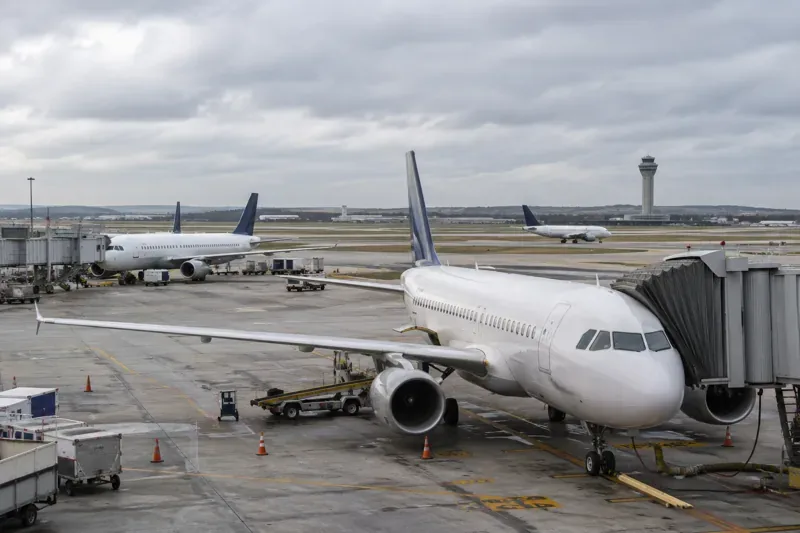
The FAA’s Nov. 13 status page lists an all-traffic ground stop and separate Chicago stops. Here’s how to check your flight and protect a connection.
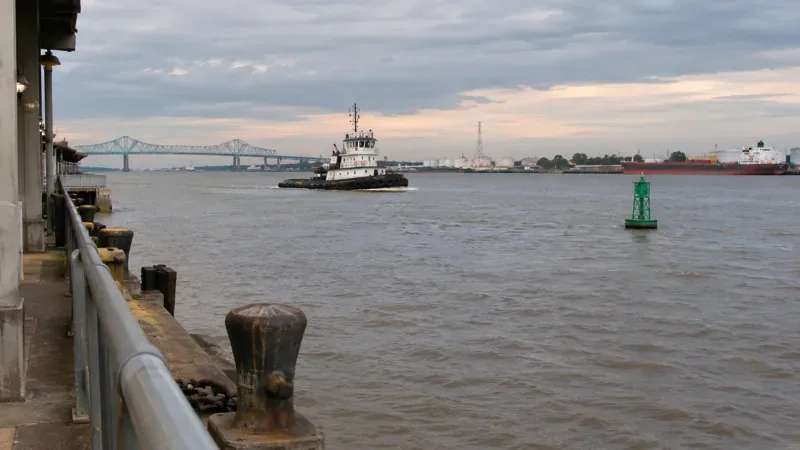
After the November 13 New Orleans tanker and cruise boat collision, learn where to verify Coast Guard river restrictions, NOLA Ready alerts and ferry service.
Learn what an FAA ground stop means, how it differs from a ground delay program, why flights are held, and what each restriction means for travelers.
Dejounte Murray is due $28.8 million in 2026–27, with a $30.75 million player option for 2027–28. Here’s how his salary, guarantees and option work.
A Freeze Warning signals temperatures at or below 32°F; a Frost Advisory warns of frost that can damage sensitive plants. Learn how to read each alert.
A practical freeze warning checklist for covering tender plants, winterizing outdoor faucets and protecting vulnerable pipes before temperatures fall below 32°F.