Victoria Election Results: How to Find the Latest Count and Confirmed Winner (Nov 2026 Update)
Find the latest official vote count and confirmed winners for the Victoria election. Step-by-step guide to VEC portals, preference counts, and results.
Verified as of: November 29, 2026, at 07:10 AEST (UTC+10:00).
Flash flooding presents a sudden and severe hazard across the City of Gold Coast, where intense subtropical downpours and severe thunderstorms can overwhelm urban drainage networks, creeks, and low-lying arterial routes in minutes. Understanding where to find verified official warnings and taking prompt, proactive safety measures is essential to safeguarding lives and property when severe weather impacts South East Queensland.
Because flash flooding occurs rapidly with little advance warning, relying on up-to-date, official sources is critical during severe weather events across South East Queensland. Multiple verified agencies maintain direct platforms:
Taking defensive actions prior to the onset of the heaviest rainfall can drastically reduce property damage and protect family members from harm:
When intense rainfall begins and roads or waterways start rising, safety guidelines prioritize personal protection over property preservation:
Knowing the appropriate emergency contact saves valuable time and ensures critical response lines remain open for life-or-death situations:
During declared severe weather events, the City of Gold Coast opens designated sandbag collection sites for residents. Active locations, operating hours, and requirements (such as bringing your own shovel or proof of residency) are posted directly on the City of Gold Coast Disaster Dashboard.
A BOM Severe Thunderstorm Warning that lists "heavy, locally intense rainfall that may lead to dangerous and life-threatening flash flooding" indicates that atmospheric conditions are producing localized rainfall rates capable of overwhelming drainage infrastructure very rapidly. Immediate precautions should be taken to shelter and stay off the roads.
No. Even sturdy all-wheel-drive and four-wheel-drive vehicles can lose traction and float in fast-moving water under two feet deep, and the roadway underneath may be completely washed away. Queensland authorities enforce the strict directive: "If it's flooded, forget it."
Find the latest official vote count and confirmed winners for the Victoria election. Step-by-step guide to VEC portals, preference counts, and results.
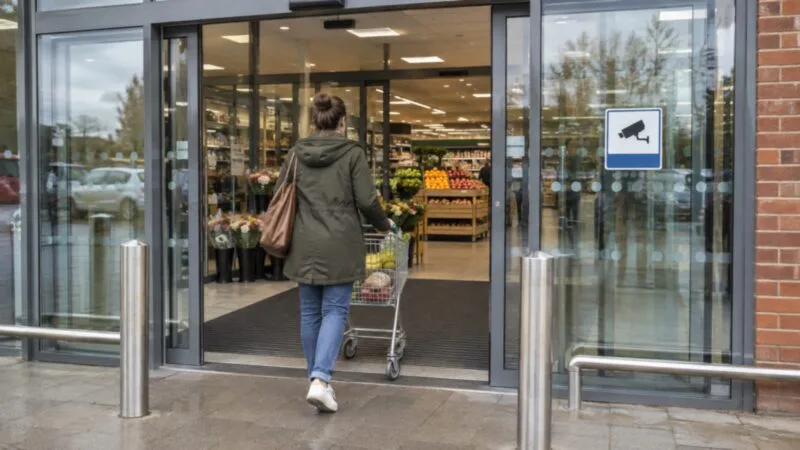
Sainsbury’s uses Facewatch facial recognition in some stores. Learn how the system works, what the ICO says, and what to do if you are wrongly flagged.

A clear Inter vs Genoa guide to the Serie A matchup, confirmed lineups, tactical questions, head-to-head record, standings, and kickoff time.

Ohio State beat Michigan 45–0 on Nov. 28 in Columbus, setting the rivalry’s largest winning margin. See the key plays, records, and context.

Alavés lead Real Madrid 1–0 at halftime in LaLiga Matchday 14. See who scored, first-half highlights, team form, and what to watch next.

Atlético Madrid beat Elche 3–2 at Martínez Valero on Nov. 28, 2026. See the key goals, match stats and what shaped this LaLiga matchup.
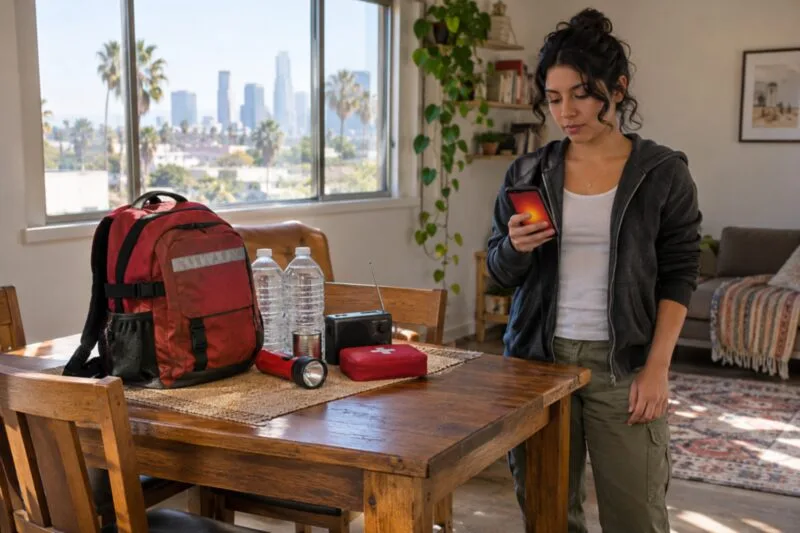
Check official LA earthquake updates through USGS and California alert channels. Learn what an alert can tell you and how to protect yourself during shaking.
Understand AI encryption and homomorphic encryption: how privacy-preserving machine learning evaluates sensitive data without plaintext exposure, key use cases, and current challenges.
Discover what to know about the 2026 Vanier Cup in Quebec City, including the Western Mustangs vs. Montréal Carabins championship game, score, and host details.