Victoria Election Results: How to Find the Latest Count and Confirmed Winner (Nov 2026 Update)
Find the latest official vote count and confirmed winners for the Victoria election. Step-by-step guide to VEC portals, preference counts, and results.
Information checked: 28 November 2026, 21:05 UTC (London, GMT).
Sainsbury’s says it is using Facewatch facial recognition in some UK stores to alert staff to people on a watchlist linked to previous criminal behaviour. The company says staff review alerts and that data about people who are not flagged is deleted. Recent reporting, however, describes shoppers who were wrongly challenged after staff mistakes, showing why a computer alert should not be treated as proof of wrongdoing.
For shoppers, the practical point is that facial recognition is different from ordinary CCTV: it analyses facial features to create biometric data and compare a person with a watchlist. The Information Commissioner’s Office (ICO) says retailers must be able to justify using it, comply with data protection law, and ensure that any human review is meaningful.
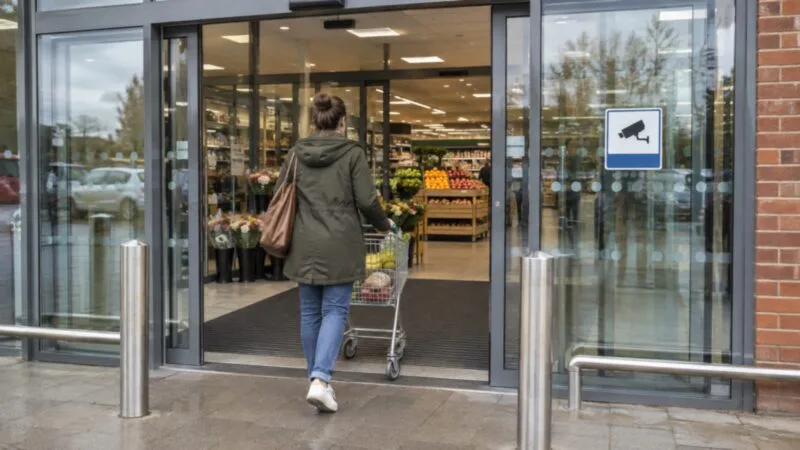
Searches for “Sainsbury’s facial recognition” often reflect a basic question: are shoppers’ faces being checked as they enter? Sainsbury’s says its Facewatch system is being trialled in its Sydenham superstore and Bath Oldfield Local. A separate Sainsbury’s page describes a broader rollout; the exact stores using the system can change, so check the notice at the entrance or ask the store rather than assuming every branch has it.
According to the ICO, facial recognition software analyses facial features to produce a biometric template. In a live system, a camera captures people in a space and the software compares the resulting data with a watchlist. A possible match is an alert, not a finding that a person committed an offence. Sainsbury’s says colleagues review alerts, while the ICO says human input should be active and meaningfully influence what happens next.
The retailer presents the technology as one measure to protect staff and customers from theft, aggression and violence. Sainsbury’s says only people with a record of criminal behaviour are flagged and that other data generated by the software is deleted instantly. These are the company’s descriptions of its system; shoppers seeking details about retention, watchlist criteria or handling of a particular alert should consult the store notice and the data controller’s privacy information.
There is also a clear privacy trade-off. In practice, the system scans people passing through the covered area so that it can look for a much smaller number of people on a list. The ICO says organisations need to explain why facial recognition is necessary, why less intrusive options would not achieve the purpose, and how they assess effectiveness. The regulator also flags the risks of inaccurate matches and demographic differences in system performance.
Stay calm and ask staff to explain the reason for the alert and who is responsible for reviewing it. You can ask them to check the match carefully before taking action, and to provide the contact details for the organisation handling the facial-recognition data. If you believe you have been misidentified, write down the store, date, approximate time, what staff told you and any reference number; keep relevant messages or receipts.
Contact Sainsbury’s and Facewatch through the details provided on the store notice or their privacy information. Ask what personal data was used, where it came from, how long it will be kept, and how to request correction or deletion if it is inaccurate. The ICO’s guidance says organisations using facial recognition must maintain accuracy and have procedures to address false matches. If the response does not resolve your concern, you can raise it with the ICO using its official complaint process.
Do not assume that a shop-floor conversation will resolve every data-protection question. A written request creates a record of what you asked and the answer. If you were asked to leave or believe a ban was wrongly applied, ask the retailer to confirm the decision and its review route in writing.
There may not be a separate opt-out lane or a way to avoid being captured while entering a participating store. The ICO says consent in public-space facial-recognition deployments can be difficult to obtain; a retailer relying on another lawful basis still has to meet the applicable legal requirements. If you do not want your face processed, ask the store whether there is a practical alternative, and read the posted information before entering. Do not rely on an assumption that declining consent alone automatically prevents scanning.
Store signs and privacy notices should identify who operates the system and explain how to learn more or exercise data rights. If that information is missing or unclear, ask the store manager for the data-protection contact. The ICO’s guidance is useful for understanding the rules, but it does not determine whether every individual deployment is lawful; that depends on its specific facts and safeguards.
Sainsbury’s says facial recognition is in use at some stores. Its live system compares captured faces with a watchlist, so people in the covered area may be scanned even if they are not on that list. The retailer says data for people not flagged is deleted instantly.
No. An alert indicates a possible match. Staff should check it before acting, and recent reported errors show that human review can also fail.
Contact Sainsbury’s and Facewatch using the details on the store notice or privacy information. If your concern remains unresolved, you can complain to the ICO.
Find the latest official vote count and confirmed winners for the Victoria election. Step-by-step guide to VEC portals, preference counts, and results.
Learn how to check official Gold Coast flash flooding warnings, track live road closures on the Disaster Dashboard, and protect your home and family safely.

A clear Inter vs Genoa guide to the Serie A matchup, confirmed lineups, tactical questions, head-to-head record, standings, and kickoff time.
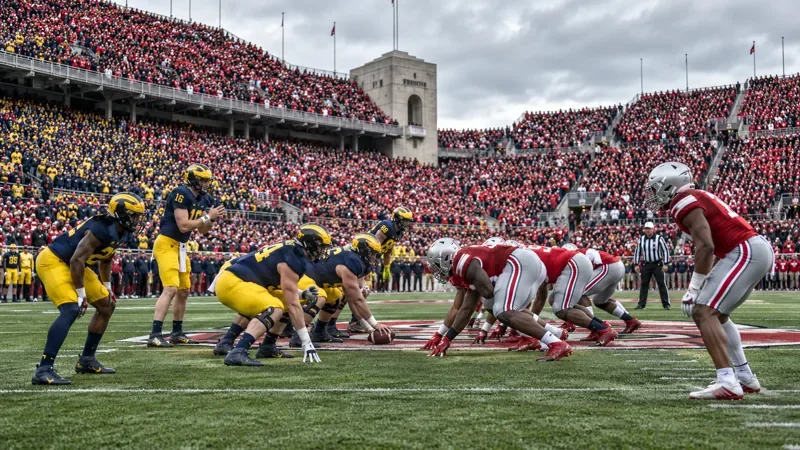
Ohio State beat Michigan 45–0 on Nov. 28 in Columbus, setting the rivalry’s largest winning margin. See the key plays, records, and context.

Alavés lead Real Madrid 1–0 at halftime in LaLiga Matchday 14. See who scored, first-half highlights, team form, and what to watch next.

Atlético Madrid beat Elche 3–2 at Martínez Valero on Nov. 28, 2026. See the key goals, match stats and what shaped this LaLiga matchup.
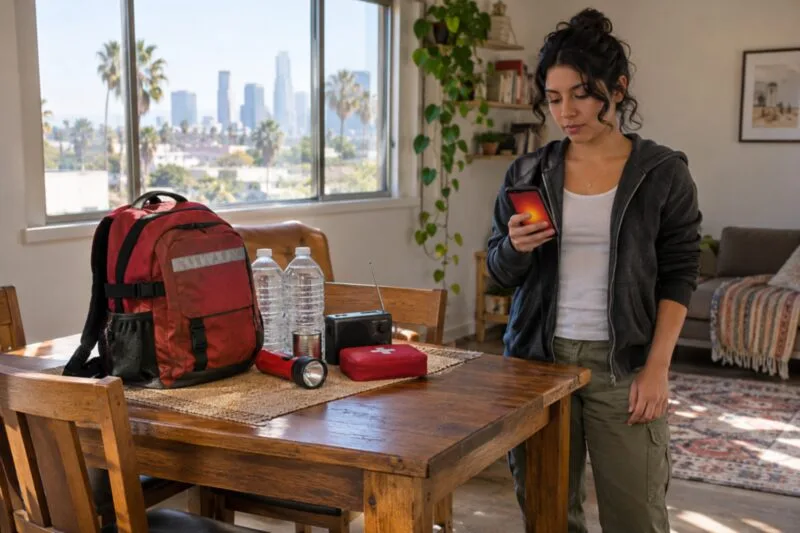
Check official LA earthquake updates through USGS and California alert channels. Learn what an alert can tell you and how to protect yourself during shaking.
Understand AI encryption and homomorphic encryption: how privacy-preserving machine learning evaluates sensitive data without plaintext exposure, key use cases, and current challenges.
Discover what to know about the 2026 Vanier Cup in Quebec City, including the Western Mustangs vs. Montréal Carabins championship game, score, and host details.