Victoria Election Results: How to Find the Latest Count and Confirmed Winner (Nov 2026 Update)
Find the latest official vote count and confirmed winners for the Victoria election. Step-by-step guide to VEC portals, preference counts, and results.
Verified November 28, 2026, at 8:01 p.m. UTC (12:01 p.m. Pacific Standard Time). The U.S. Geological Survey’s earthquake page listed a magnitude 5.0 earthquake 5 km southwest of Manhattan Beach, California, at 17:30:30 UTC (9:30:30 a.m. PST). The page showed a green PAGER alert level and reported moderate shaking. These are the USGS listing details at the time checked; they do not, by themselves, establish local damage or predict aftershocks.
For reliable LA earthquake updates, use the USGS Latest Earthquakes map and list to check event details, and use California’s official warning channels for alerts. If shaking starts or an alert arrives, take protective action immediately: drop, cover, and hold on. Early warnings may provide only seconds, and sometimes an alert arrives after shaking has begun.
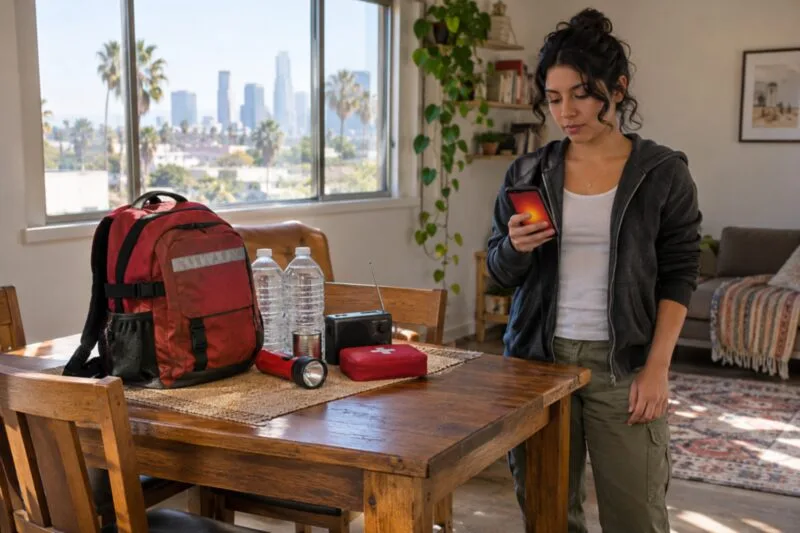
Start with the USGS Latest Earthquakes page. Its map and list show recorded earthquakes, including the reported magnitude, location, and event time. Open the individual event entry for its current details. The USGS notes that earthquake information is monitored and reported through the Advanced National Seismic System. Initial estimates can be revised as more data becomes available, so revisit the event page if you need the latest official entry.
To report what you felt, use the USGS “Did You Feel It?” feature linked from its earthquake pages. Felt reports help document how shaking varied by location, but they are not a substitute for emergency instructions or an official damage assessment. For immediate local instructions, check your city or county emergency management channels and local public safety alerts.
California’s Earthquake Warning program distributes ShakeAlert-powered warnings through the free MyShake app, Android Earthquake Alerts, and Wireless Emergency Alerts (WEAs). The California Earthquake Early Warning “Get Alerts” page explains the options. MyShake requires location access to warn you based on where you are; California’s guidance also recommends checking that your phone can receive emergency alerts. Android earthquake alerts are built into supported Android phones.
These tools detect an earthquake after it starts and estimate where shaking may occur. They are not advance predictions. The time available varies with distance from the earthquake’s origin, and people close to it may receive little or no notice before shaking. A warning can also arrive while shaking is underway or after it has passed. Do not rely on a phone alert as your only way to stay safe.
If you receive a warning or feel shaking, follow the familiar safety action: Drop, Cover, and Hold On. Drop to your hands and knees, cover your head and neck under a sturdy table or desk if one is nearby, and hold on to your shelter until the shaking stops. If there is no shelter, get low beside an interior wall and protect your head and neck with your arms. Stay away from windows and heavy objects that could fall. Do not run outside during shaking or stand in a doorway.
If you are in bed, stay there and cover your head with a pillow unless something heavy could fall on you. If you are driving, pull over away from bridges, overpasses, trees, and power lines, then set the parking brake and remain in the vehicle until the shaking ends. California’s official earthquake warning FAQ also cautions that alerts can be missed or may not reach every person in an affected area.
Expect possible aftershocks and be ready to drop, cover, and hold on again. Check yourself and others for injuries, then look for immediate hazards such as fire, damaged wiring, or the smell of gas. Leave a damaged building if it is safe to do so, and follow instructions from emergency officials. Avoid elevators and do not re-enter a building that appears unsafe.
Use a battery-powered or hand-crank radio if phone service or power is disrupted. Keep calls brief so networks remain available for emergencies, and rely on official local updates rather than unverified posts. If you are outside Los Angeles, the same USGS event page can help you confirm whether a quake was recorded and where it was located.
At the time checked, USGS listed a magnitude 5.0 earthquake 5 km southwest of Manhattan Beach at 17:30:30 UTC on November 28, 2026 (9:30:30 a.m. PST). Check the USGS event page for any revised details.
California’s official options include the free MyShake app, built-in Android Earthquake Alerts on supported phones, and Wireless Emergency Alerts. Review the state’s Get Alerts page for setup guidance.
An early warning estimates expected shaking and may give seconds to act. It is not a guarantee of how a specific building or person will be affected, and it may arrive after shaking starts.
Find the latest official vote count and confirmed winners for the Victoria election. Step-by-step guide to VEC portals, preference counts, and results.
Learn how to check official Gold Coast flash flooding warnings, track live road closures on the Disaster Dashboard, and protect your home and family safely.
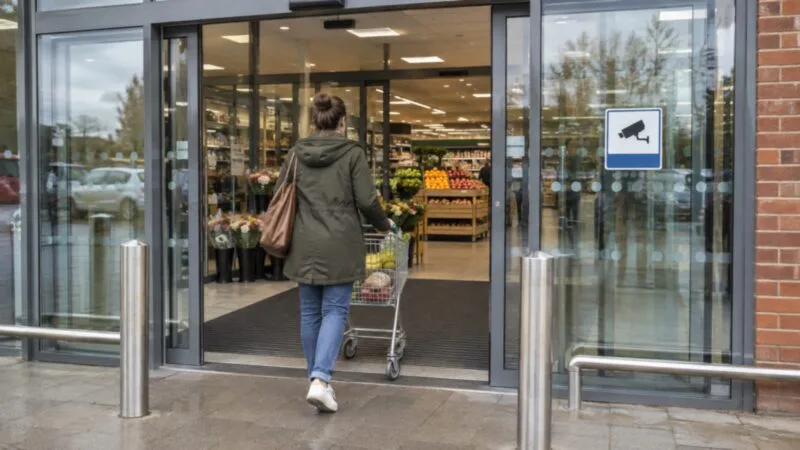
Sainsbury’s uses Facewatch facial recognition in some stores. Learn how the system works, what the ICO says, and what to do if you are wrongly flagged.

A clear Inter vs Genoa guide to the Serie A matchup, confirmed lineups, tactical questions, head-to-head record, standings, and kickoff time.
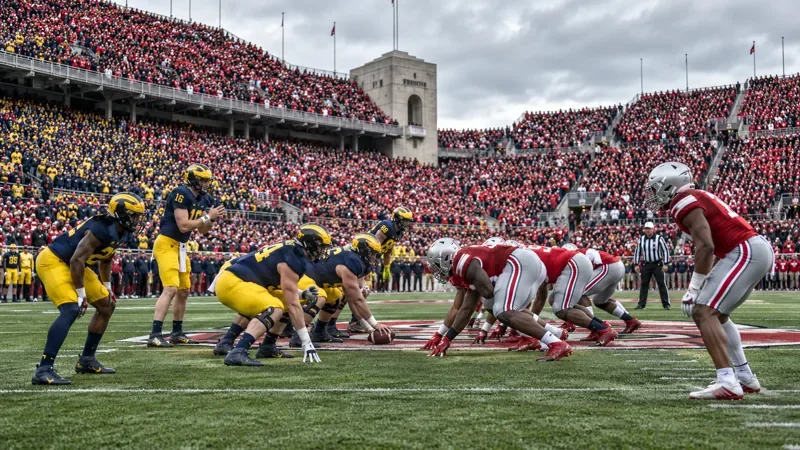
Ohio State beat Michigan 45–0 on Nov. 28 in Columbus, setting the rivalry’s largest winning margin. See the key plays, records, and context.
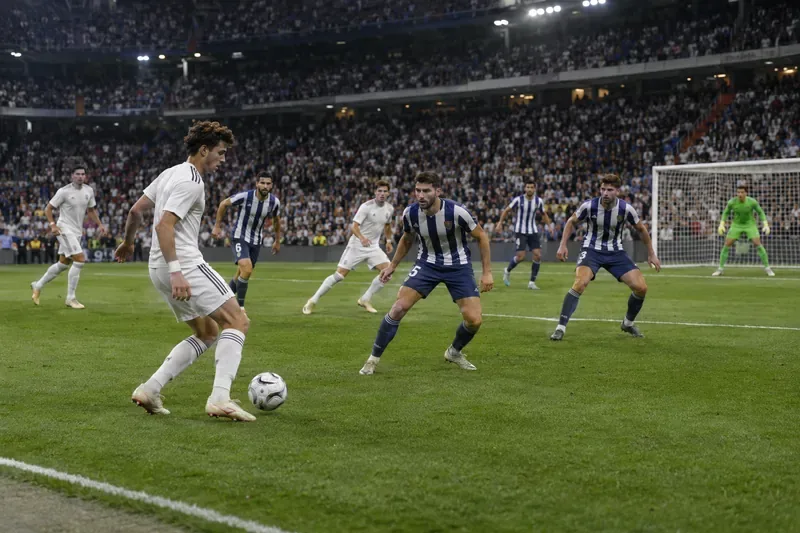
Alavés lead Real Madrid 1–0 at halftime in LaLiga Matchday 14. See who scored, first-half highlights, team form, and what to watch next.

Atlético Madrid beat Elche 3–2 at Martínez Valero on Nov. 28, 2026. See the key goals, match stats and what shaped this LaLiga matchup.
Understand AI encryption and homomorphic encryption: how privacy-preserving machine learning evaluates sensitive data without plaintext exposure, key use cases, and current challenges.
Discover what to know about the 2026 Vanier Cup in Quebec City, including the Western Mustangs vs. Montréal Carabins championship game, score, and host details.