When to Start Decorating for Halloween in 2026

Use a simple 2026 Halloween decorating timeline for indoor décor, outdoor displays, and fresh pumpkins, with practical adjustments for weather and events.
Every problem has two sides, and the development of artificial intelligence (AI) technology is no exception. On the one hand, people are excited about the achievements and contributions of AI in all aspects of life. But on the other hand, many people are “afraid” of the prospect that AI can surpass and “steal” human jobs in many different fields.
Google has just given this concern more credence when it announced that its AI system for in-house research and development now has the ability to design chips faster and more efficiently than humans.
Specifically, according to research results published in the scientific journal Nature, Google Brain - Google's deep learning and AI research team - has announced the successful development of a new reinforcement-learning system that can completely perform a floor-planning design of a microprocessor on its own, much faster and better than humans.
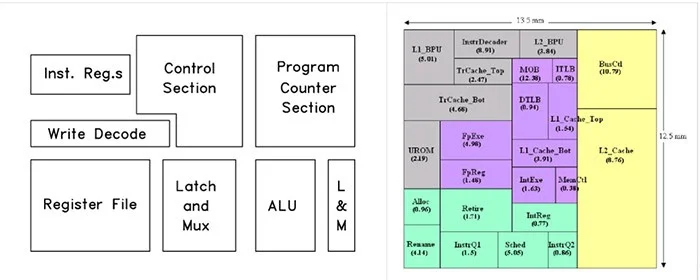
With the help of a convolutional neural network architecture based on edge graphs, Google Brain's AI model can design floorplans in a fraction of the time it takes humans. The image below shows two memory macroblock designs. The one on the left was done by a human, and the one on the right was created by the AI in just a few hours - much less than humans, and it also has a higher number of macroblocks.
A floorplan is essentially a diagram that shows how the various functional blocks are arranged within a processor to create the most efficient design. Below are two example images of what a floorplan might look like. The one on the left is simpler, while the one on the right is a bit more complex with more detail.
Interestingly, Google plans to use this technology to build its own AI accelerators, called Tensor Processing Units (TPUs). If effective, they could also be used in all chip manufacturing processes in general, potentially saving a huge amount of time while still ensuring quality.
Use a simple 2026 Halloween decorating timeline for indoor décor, outdoor displays, and fresh pumpkins, with practical adjustments for weather and events.
Mix five vivid, approachable Halloween cocktails with measured recipes, simple prep tips, and an alcohol-free option for your party guests.
Find 15 office-friendly Halloween costume ideas for 2026, with practical checks for dress codes, respectful themes, comfort, and workplace safety.
Plan a fun elementary school Halloween party with easy crafts, games, inclusive treats, costume tips, and a sample 75-minute classroom schedule.
Compare realistic side hustles for 2026 by startup cost, fees, flexibility, and income control, with current tax and scam guidance from official sources.
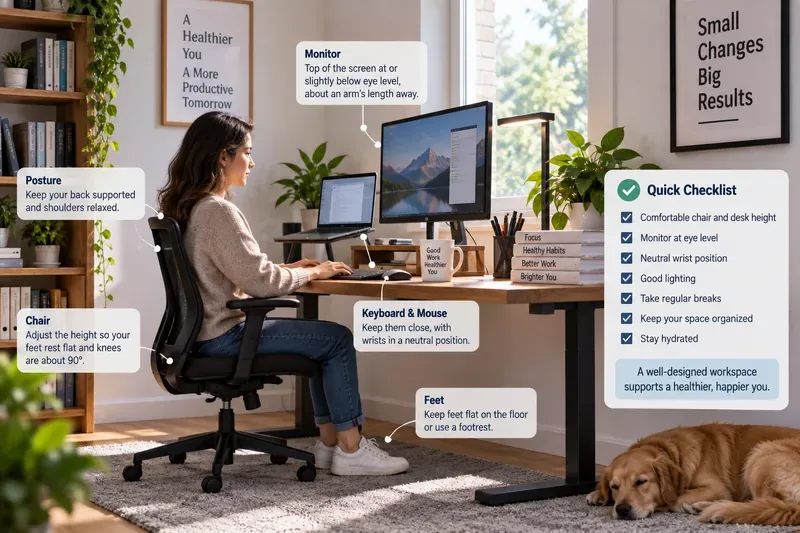
Upgrade your home office ergonomics with current OSHA and NIOSH guidance on chair fit, monitor height, laptop setup, lighting, and movement.
Learn why emotional intelligence matters in leadership, where it helps most, how to strengthen it, and how to tell whether your approach is working.
A practical roadmap for moving into tech without a degree: choose an accessible role, build job-ready skills, prove them with projects, and use hiring feedback to improve.
Build a credible LinkedIn personal brand in 2026 with current profile, content, newsletter, analytics, verification, and visibility guidance from LinkedIn.
Quiet quitting and quiet firing are catchy labels, not diagnoses. Learn what is verified, what depends on context, and what employees and managers can do next.