Home
» PC Tips
»
How to find and open files using Command Prompt
How to find and open files using Command Prompt
Sometimes searching for files on Windows 10 becomes difficult for users who are used to using File Explorer when they only remember a little bit of file information. In such cases, using Command Prompt will help you easily find the file you want. Moreover, Command Prompt also allows you to directly open files from the folder containing them.
Before searching and opening files using Command Promt, you must first open Command Prompt. There are several ways to open Command Prompt that you can use:
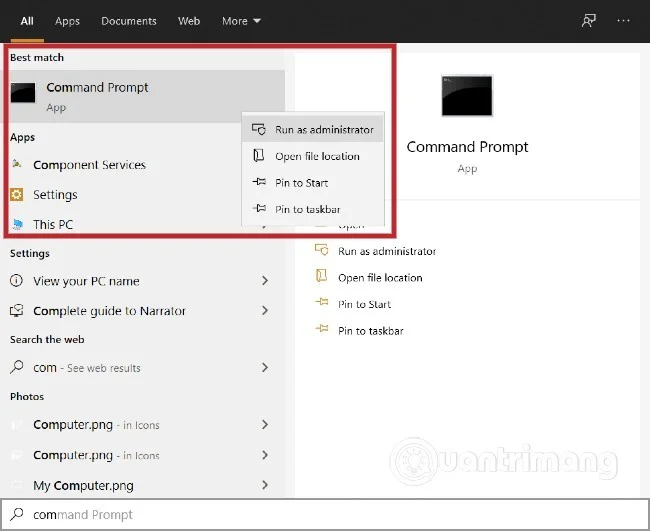
Press the Windows button to open the Start menu then type cmd, click the first search result to open Command Prompt . You can also right-click then select Run as administrator to open Command Prompt with admin rights
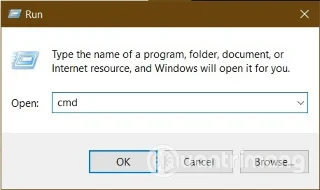
Another faster method to open Command Prompt is to use Run . Press Windows + R to open Run then type cmdor cmd.exeand press Enter or click OK
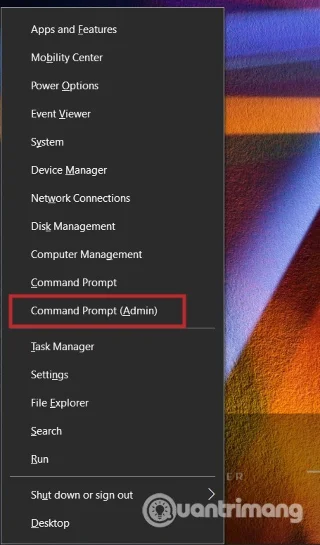
The next way is to use the Power User Menu. Press Windows + X then click Command Prompt (Admin) or press A to open Command Prompt with admin rights
Finally, you can command Cortana " open command prompt " to open Command Prompt
How to search for files using Command Prompt
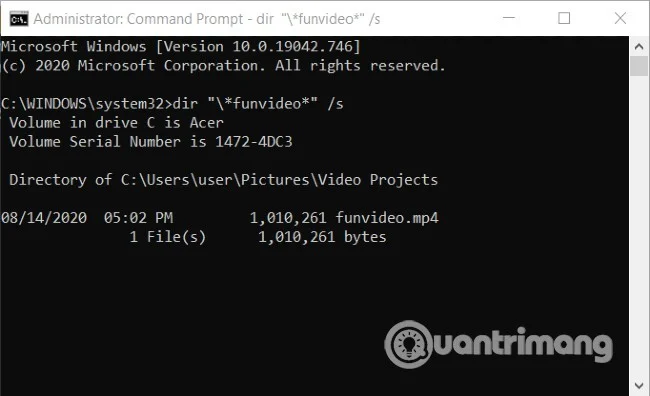
In the Command Prompt window that just opened, you type in , replacing search term with the name of the file you want to find. In the example below, Quantrimang tries to search for files/folders named "funvideo".dir "\*search term* /s
After you press Enter for about 1 to 2 seconds, the search results will be displayed. All files/folders with names related to funvideo will be listed.
Now let's explain a little about the components in the above statement:
diris a command used to display files in the current directory but can also access data anywhere on the computer.
The dir command prompt \searches in the root drive of the current device.
/sdir command prompt search in all subdrives
Finally, the ampersand *is used by command line applications as a wildcard. It signals that the search command will search all file names that contain your search keyword.
Add a comma *to the end of the name, like this business*will search all files with the search keyword at the beginning of the name
If you put the mark *at the beginning, your search will only include results with the keyword after it. For example *.jpg.
If you put the comma *at both the beginning and the end of your search term, you will cover all cases. Whether or not the keyword you entered is the actual name of the file, the file will still be listed in the search results.
Change drive to locate files more accurately
If you save the file in drive D: you will not be able to find it if you perform a search command in drive C:. Therefore, you need to change the directory according to the steps below.
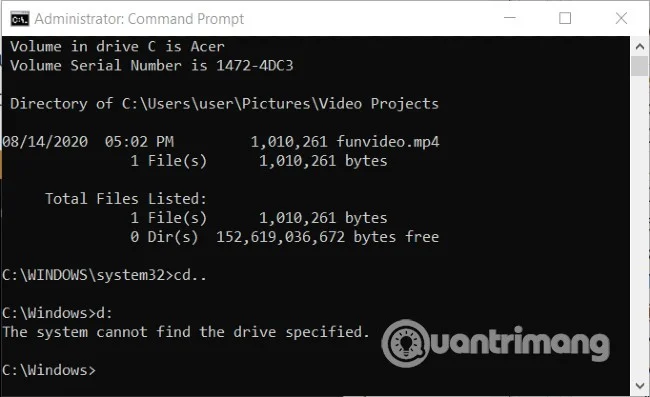
First, type cd..and press Enter to tell Command Prompt that you need to change the drive. Next, to change to drive D, you need to type d:and press Enter . From now on, all commands will be executed on drive D.
Quantrimang's machine cannot execute this command because there is no drive D.
Now, you can search for the file you need by executing the command again dir "\search term*" /s. Note the use of the * symbol to search more effectively. If you enter it incorrectly, you will receive a "no label" error message like the example below. Quantrimang's advice is to always use two symbols * at the beginning and end of the search keyword.
Open files using Command Prompt on Windows 10
Once you find the file, you can open it immediately using Command Prompt with the default software.
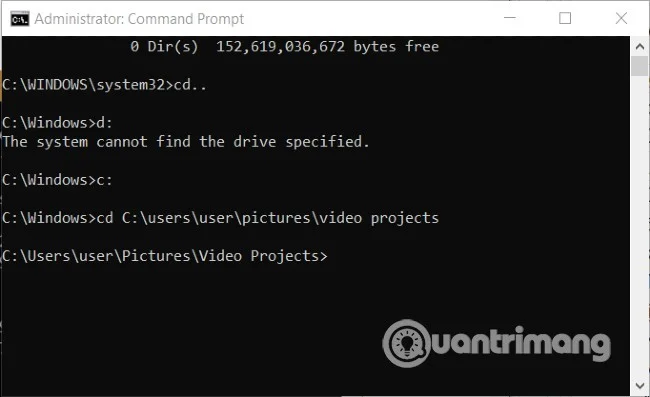
First, you need to change the path to the folder containing the file. You can do this by using the command cdfollowed by the path to the folder containing the file. The best way to avoid errors is to copy the folder path listed in the search results.
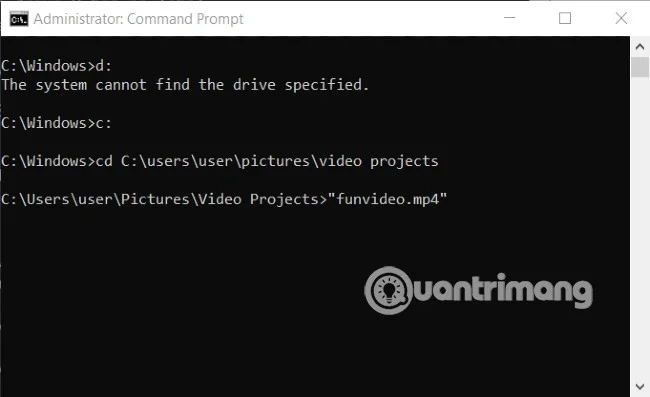
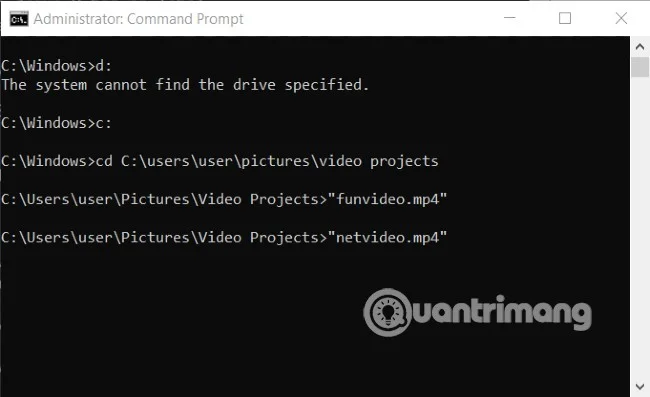
Enter the file name with the full extension inside quotation marks ".."and press Enter. The file will be opened in the default software. You can open additional files if they are in the same folder as the original file.
After finishing, if you need to open other files, you can use the command cd..with the path to move to the new folder.
Good luck and please refer to other great tips on Quantrimang: