Imagine having the ultimate control over your Windows 11 system, executing powerful commands that can optimize performance, fix issues, and automate tasks with just a few keystrokes. That's the magic of Windows 11 PowerShell as administrator. Whether you're a tech enthusiast tweaking your setup or an IT pro managing networks, running PowerShell with elevated privileges opens doors to advanced features that standard access simply can't touch. In this guide, we'll walk you through everything you need to know—concisely and practically—so you can dive in confidently and feel empowered right away. Let's get started! 🚀
What is PowerShell and Why Run It as Administrator?
PowerShell in Windows 11 is Microsoft's robust command-line shell and scripting language, designed for automation and configuration management. It's more powerful than the traditional Command Prompt, allowing you to interact with system resources, manage files, and even control remote computers. But here's the key: many PowerShell commands require administrator privileges to modify protected system areas, install software, or alter registry settings.
Running PowerShell as administrator grants you "superuser" access, ensuring commands execute without permission roadblocks. This is essential for tasks like updating drivers, managing services, or diagnosing hardware issues. Without it, you'll hit frustrating "Access Denied" errors. By mastering this, you'll save time and frustration, turning your PC into a finely tuned machine. Ready to elevate? Let's explore the methods.

Method 1: Launch PowerShell as Administrator via Start Menu (Easiest for Beginners)
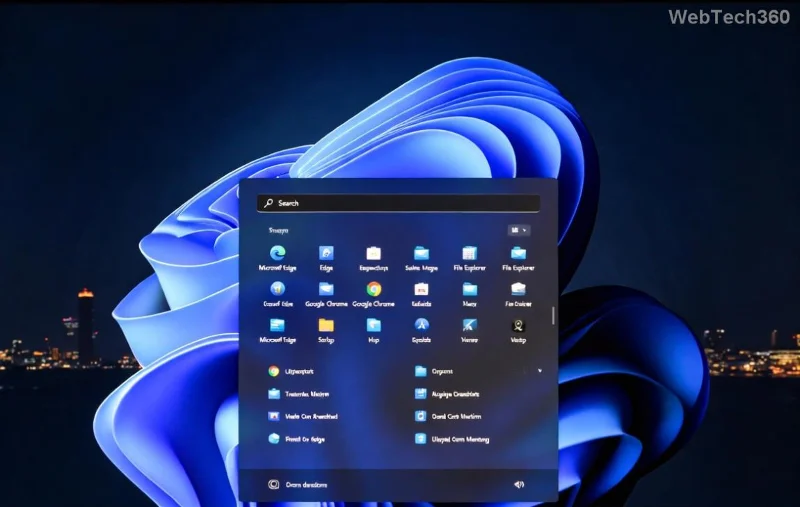
The simplest way to fire up Windows 11 PowerShell as administrator is through the Start Menu. This method is quick and doesn't require digging into menus. Follow these steps:
- Click the Start button (Windows icon) on your taskbar or press the Windows key on your keyboard. 😊
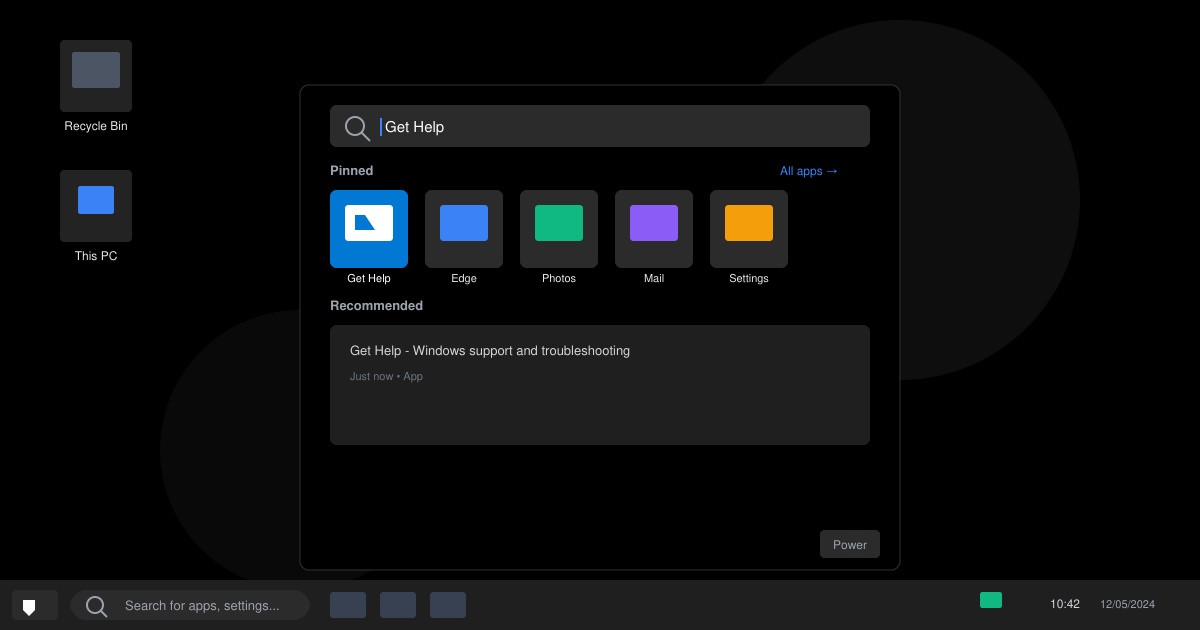
- Type "PowerShell" in the search bar. You'll see "Windows PowerShell" appear in the results.
- Right-click on "Windows PowerShell" and select "Run as administrator" from the context menu.
- If prompted by User Account Control (UAC), click "Yes" to confirm. A blue-highlighted title bar will indicate you're running with admin rights!
Pro tip: Pin this to your taskbar for one-click access next time. Now you're in—type Get-ExecutionPolicy to check your script settings, or dive into commands like Set-ExecutionPolicy RemoteSigned to enable safer scripting.
Method 2: Using the Run Dialog for Speedy Access
For those who love keyboard shortcuts, the Run dialog is your best friend. This bypasses the search and gets you straight to elevated PowerShell.
- Press Windows + R to open the Run box. ⚡
- Type "PowerShell" and hold down the Ctrl + Shift keys while pressing Enter. This forces the admin prompt.
- Approve the UAC dialog, and voilà—PowerShell as administrator is ready to roll.
This method shines when you're multitasking. Once open, experiment with basic admin commands like sfc /scannow to repair system files—it's a game-changer for troubleshooting.
Method 3: From Task Manager or File Explorer (Advanced Shortcuts)
Sometimes, you need PowerShell in a pinch, like during a system freeze. Here's how to launch it elevated from familiar tools:
Via Task Manager:
- Right-click the taskbar and select "Task Manager".
- Click "File" > "Run new task".
- Type "PowerShell", check "Create this task with administrative privileges", and hit Enter. ✅
Via File Explorer:
- Open File Explorer (Windows + E).
- Navigate to C:\Windows\System32\WindowsPowerShell\v1.0.
- Right-click "powershell.exe" and choose "Run as administrator".
These options are perfect for power users. Imagine quickly stopping a rogue service with Stop-Service—admin mode makes it seamless.
![Step-by-step screenshot of running PowerShell as admin via Run dialog]()
Essential Tips for Using PowerShell as Administrator Safely
With great power comes great responsibility. Running PowerShell as administrator can alter your system deeply, so here's how to use it wisely:
- Understand UAC: Always heed the User Account Control prompt—it's your safety net against accidental changes.
- Backup First: Before running scripts, create a system restore point via Checkpoint-Computer command.
- Execution Policies: Set to RemoteSigned for balance:
Set-ExecutionPolicy RemoteSigned -Scope CurrentUser. This allows local scripts while blocking untrusted downloads.
- Common Commands Table: Here's a quick reference for admin must-knows:
| Command |
Purpose |
Example Usage |
| Get-Service |
List all services |
Get-Service | Where-Object {$_.Status -eq "Running"} |
| Update-Help |
Refresh command help |
Update-Help -Force |
| Repair-WindowsImage |
Fix corrupted files |
Repair-WindowsImage -Online -RestoreHealth |
| Set-NetFirewallRule |
Manage firewall |
Set-NetFirewallRule -DisplayName "Example" -Enabled True |
These commands, run in admin mode, can resolve issues that plague everyday users. Feeling excited? Keep reading for troubleshooting to iron out any kinks.
Troubleshooting Common Issues with Elevated PowerShell
Even in the latest Windows 11 updates, hiccups happen. If PowerShell as administrator won't launch:
- No Admin Option? Ensure your user account has admin rights. Go to Settings > Accounts > Your info—if it says "Administrator," you're good. Otherwise, log in as one. ⚠️
- UAC Disabled? Re-enable it in User Account Control settings for security.
- Path Errors? Verify PowerShell's installation: Run winget install --id Microsoft.PowerShell --source winget in an existing prompt to reinstall if needed.
- Script Won't Run? Check policy with Get-ExecutionPolicy and adjust as above.
For deeper dives, consult Microsoft's official docs: PowerShell Documentation. It's a treasure trove for the newest features.
![Troubleshooting PowerShell admin access in Windows 11]()
Advanced Uses: Automate and Optimize with Admin PowerShell
Now that you're comfortable launching Windows 11 PowerShell as administrator, level up! Automate backups with Export-Clixml for configs, or monitor performance using Get-Process to kill resource hogs. For network admins, Invoke-Command lets you manage remote machines effortlessly.
Script example: Create a simple health check script. Save this as health.ps1 and run it elevated:
# System Health Check
Write-Host "Checking disk space..." -ForegroundColor Green
Get-PSDrive C | Select-Object Used, Free
Write-Host "Services status:" -ForegroundColor Yellow
Get-Service | Where-Object {$_.Status -eq "Stopped"} | Select-Object Name, Status
Execute with .\health.ps1 in your admin session. It's tools like these that make PowerShell indispensable. As you experiment, you'll discover endless possibilities— from customizing your desktop to securing your system.
Wrap-Up: Take Control Today!
Congratulations! You've now got the know-how to wield Windows 11 PowerShell as administrator like a pro. From quick launches to safe scripting, these steps empower you to tackle any challenge. Start small, practice often, and watch your productivity soar. What's your first admin command going to be? Dive in, and if you hit a snag, revisit this guide—it's always here to help. Happy powering! 👏